Daegu Transport Guide for Foreigners (2026): Subway, Bus, Taxi
Master Daegu transport like a local. Subway, bus, taxi costs & etiquette—everything you need to navigate Korea's fourth-largest city without confusion.
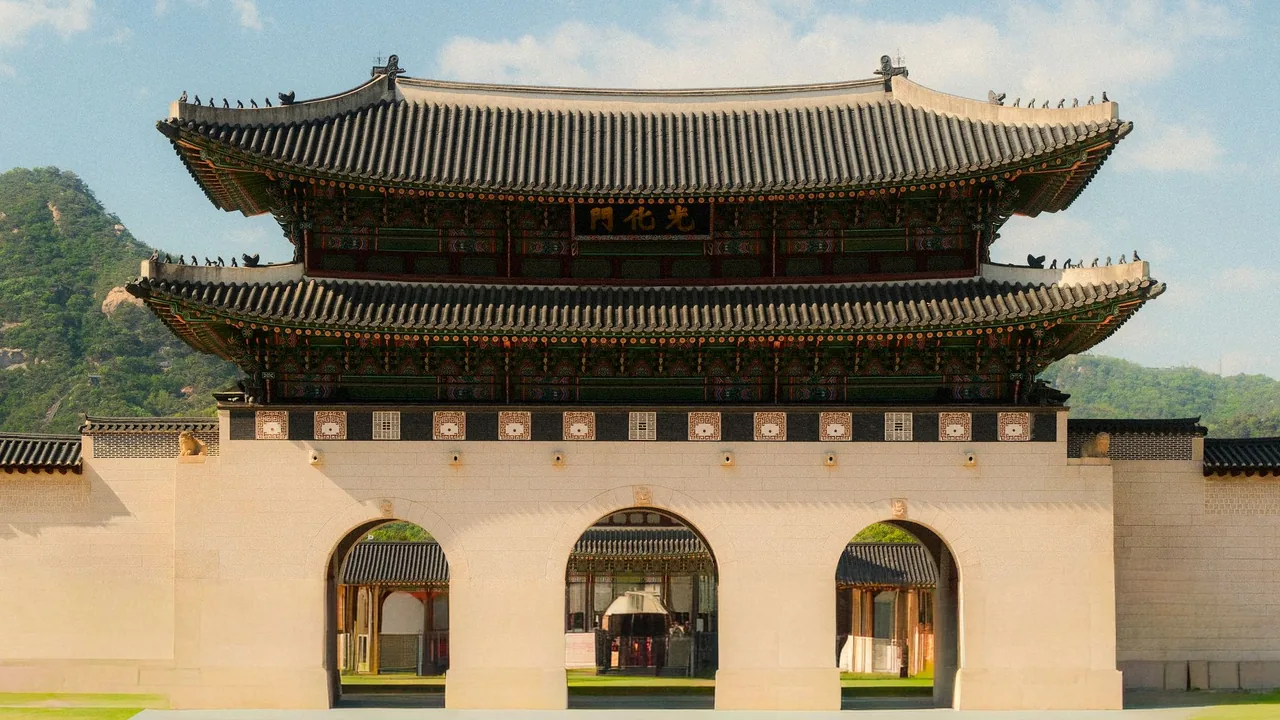
# Daegu Transport Guide for Foreigners (2026): Subway, Bus, Taxi
Daegu isn't Seoul, and that's exactly why its public transport works so well. While the capital chokes on crowds, Daegu's transit system flows with the kind of efficiency that makes navigation almost boring—which, frankly, is the best kind of boring when you're a foreigner trying to get somewhere. The real secret? Daegu residents actually follow rules, the subway never smells like a basement, and you'll rarely wait more than seven minutes for a bus.
But here's what most travel guides won't tell you: Daegu's daegu transport public infrastructure was designed for locals, not tourists. Signs are minimal in English, payment systems aren't immediately obvious, and cultural norms around seating and noise differ subtly from what Western travelers expect. This guide cuts through that noise and gives you what actually works.
What Works (and Doesn't) for Foreigners Using Daegu Transit
The Good
Daegu's subway system is clean, modern, and genuinely easy to navigate once you understand the basics. There are three lines (Red, Blue, and Green), they intersect at logical points, and most stations have English signage at entry/exit points. The real strength? It's affordable and reliable. You're not paying Seoul prices, and trains run every 5-10 minutes during peak hours.
Buses are where locals actually spend most of their transit time, and they're cheap—genuinely cheap. A single ride costs between 1,200₩ and 2,450₩ depending on distance. The downside: bus route numbers and destinations are displayed in Korean first, English second (if at all). You'll need either a Naver Map or Kakao Map app configured properly, or you'll end up riding past your stop.
Taxis are abundant, metered, and honest. Unlike some Asian cities, Daegu taxi drivers won't take scenic routes. A typical in-city ride costs 3,500₩ base fare plus 100₩ per 142 meters or 10 seconds of waiting time.
The Bad
Last-mile connectivity is weak. You can get to major districts easily, but reaching a specific restaurant or guesthouse often requires asking locals or trial-and-error with maps. Transit doesn't run 24/7 like Seoul—most services end by 11 PM, though night buses (N-numbered routes) exist but are infrequent.
Payment systems remain Korea-centric. T-money cards work everywhere, but you'll need to purchase one at a GS25 or CU convenience store. Mobile payment options (Kakao Pay, Naver Pay) work at some subway stations and buses, but not reliably. Credit cards rarely work on public transit outside the airport.
5 Major Neighborhoods & Real Transit Costs to Know
This is Daegu's beating heart—shopping, food, nightlife. Getting here: subway Line 1 to Banwoldang Station (exit 10). From downtown to nearby Jungangno district via bus costs 1,250₩. A taxi from the airport subway station costs approximately 8,000₩-10,000₩.
Historic, chaotic, authentic—classic Korean market energy. Subway Line 1 to Seomun Station. If you're coming from Dongseongro, a single bus ride is 1,250₩ (routes 401, 409 direct). Taxi from Dongseongro: roughly 4,500₩.
Where young professionals live, lots of cafes and restaurants. Subway Line 2 covers this well. Single fare from downtown: 1,250ₖ. Taxi to Suseong from Dongseongro: 6,000₩-7,500₩ depending on traffic.
Cheaper accommodation, vibrant street food, younger crowd. Subway Line 3 serves this. Fares same as downtown (1,250₩ for short hops). From downtown taxi: 7,000₩-9,000₩.
Natural escape northeast of downtown. Bus routes 401, 402 run there (1,400₩). Taxi from downtown roughly 12,000₩-15,000₩ depending on exact location. Pro tip: go early; buses fill quickly on weekends.
Airport Limousine Bus to downtown: 8,000₩. Subway Line 1 from airport station to Bangbae: 2,450₩ (farthest zone). Taxi to downtown: 22,000₩-28,000₩.
If you rent a car or go with a tour, buses exist but are infrequent. Taxi from downtown: expect 35,000₩+ one-way. Not recommended for first-time transit users.
8 Essential Daegu Transit Etiquette & Practical Tips
- Download Naver Map or Kakao Map immediately—before you leave your home country if possible. Set location sharing on, enable Korean language, and enable "Public Transport" mode. Without these apps, you're essentially navigating blind.
- Buy a T-money card at any convenience store (GS25, CU, GS25)—costs 2,500₩ blank, then load cash (20,000₩-100,000₩). This works everywhere: subway, bus, and even some taxis. No fumbling, no change anxiety.
- Don't eat or drink on the subway—exceptions exist for coffee in paper cups with lids, but water and snacks are visibly frowned upon. Open food smells anger locals, and staff will politely shame you.
- Priority seating is serious—seats marked with colored stickers near doors are reserved for elderly, pregnant women, and disabled passengers. If you're under 65 and sitting there, expect stares. Move immediately if anyone matching those categories boards.
- Tap your T-money card twice: once entering, once exiting—forgetting the exit tap means the system charges you maximum distance fare (2,450₩). It's an easy mistake; locals do it too.
- Buses require exact communication—tell the driver your destination in Korean if possible, or show them a map screenshot. "Next stop?" gets you nowhere; they'll nod and you'll miss it.
- Night buses (N-routes) run 11 PM-5 AM but are sporadic—expect 20-40 minute waits. Taxis are genuinely cheaper for late-night rides (11 PM-4 AM adds 20% surcharge, so roughly 4,200₩ base instead of 3,500₩).
- Station announcements occur in Korean first, then English—listen carefully. The English announcement is abbreviated and sometimes unclear. Read the digital sign above the door instead.
- Begging for directions from other foreigners is risky—locals are far more helpful and accurate. A polite "실례합니다" (excuse me) to any Korean person opens doors; they'll often walk you to your destination rather than just point.
- Peak hours are 7-9 AM and 5-7 PM weekdays—if you have flexibility, avoid these windows. Trains are packed, buses are jammed, and your comfort drops 80%. Off-peak riding is genuinely pleasant.
FAQ: Your Real Daegu Transport Questions Answered
Q: Is a subway card worth it, or should I just buy single-journey tickets? A: Absolutely buy a T-money card. Single-journey tickets don't exist for subway, only for buses—and even then, you're paying slightly more per ride. A card costs 2,500₩ one-time and pays for itself in three rides. You'll also avoid the security checkpoint friction at machines.
Q: Do I need to worry about pickpockets on Daegu subway? A: Daegu is significantly safer than Seoul in this regard. Petty theft happens, but it's rare compared to other major Asian cities. Standard travel sense applies: keep backpacks in front during peak hours, don't leave phones unattended. Daegu residents are genuinely vigilant about theft prevention culturally.
Q: What's the deal with bus transfers? Can I transfer between bus and subway? A: Yes—if you tap your T-money card within 30 minutes of exiting either bus or subway, you transfer at a reduced price. Most transfers cost 200₩-800₩ extra depending on distance. The system is automatic; just tap again. Plan: subway to bus costs less than bus alone because subway subsidizes transfers.
Q: Are there any transport apps besides Naver/Kakao? A: Papago (Naver's translation app) helps with station names, but doesn't replace Naver/Kakao Map for real-time transit info. Kakao Map has slightly better English descriptions; Naver Map is more accurate for bus predictions. Pick one and stick with it. Switching mid-trip causes confusion.
Q: Can I use my international credit card on buses or subway? A: Rarely, and it's unreliable. Visa/Mastercard work at some modern subway ticket machines (mostly Subway Line 1 major stations), but don't bank on it. Mobile payments (Apple Pay, Google Pay) work if your Korean phone number is registered. Just buy a T-money card—it's simpler and costs less mental energy.
Q: What if I get completely lost and need a taxi instead? A: Taxi drivers mostly don't speak English, but they all have GPS and translation apps now. Open Naver/Kakao Map, show them the destination pin, and point. If the app shows the address in Korean, even better—they'll input it. It's not elegant, but it works. Expect 4,000₩-8,000₩ for most in-city rides.
Final Thoughts: You've Got This
Daegu transport isn't flashy or famous, but it's honest and fair. You won't find yourself in a transit nightmare here like you might in Bangkok or Mumbai. What you will find is a city that values efficiency, cleanliness, and orderly behavior—qualities that make getting around refreshingly simple once you accept the Korean transport logic.
Download your maps app now. Buy a T-money card on arrival. Follow the rules. And yes, you'll navigate Daegu like someone who's lived here for months, not days.
Ask the KORLENS AI chat for Daegu place suggestions based on your interests. It is an AI assistant that replies in seconds, not a human team, and it works from Korea Tourism Organization open data. Also visiting Seoul? Seoul Local Picks covers Seoul only.
Next Step
About this guide
KORLENS is run by one person (KunStudio, a solo studio in Korea), not an editorial team. Guides are AI drafts based on public sources; some use Korea Tourism Organization TourAPI open data. KORLENS does not claim on-site visits or scheduled re-checks, so confirm hours, prices and closures with the venue before you go. Page last edited: 2026-05-31.
Plan your Korea trip with the KORLENS AI chat
Got a follow-up question after reading this? Ask the KORLENS AI chat in plain English. It is an AI assistant, not a person, and it replies in seconds with places from Korea Tourism Organization open data.
Ask the KORLENS AI chatCurious about Korean Saju? Try sajuapp.app
1,000-year-old Korean astrology, decoded by AI — available in 9 languages.
Is it worth visiting, the best time to go, crowds and real cost.
Daegu Cherry Blossom 2026: Best Spots and Exact Timing
Skip Seoul crowds. Daegu's cherry blossoms peak 7–10 days earlier, with fewer tourists and better photo ops. Here's exactly where to go and when.
7 Best Day Trips from Daegu (2-Hour Radius, 2026)
Skip the crowded Seoul day trips. These 7 Daegu countryside escapes within 2 hours offer genuine local culture, mountain hikes, and regional food without touris