Daegu Night Markets and Late-Night Eats (2026 Guide)
Skip Seoul's tourist traps. Daegu's night markets deliver authentic street food, lower prices, and locals-only energy. Your 2026 insider guide to every market w
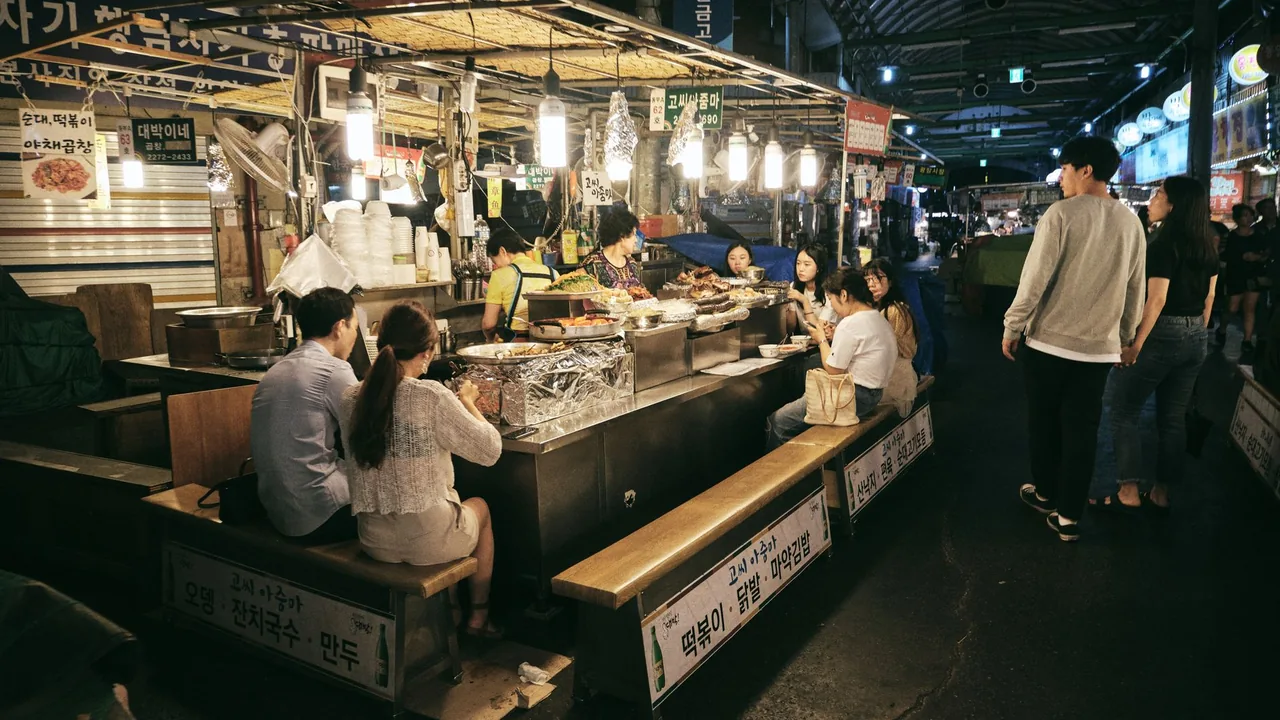
# Daegu Night Markets and Late-Night Eats (2026 Guide)
Opening: Why Daegu's Night Markets Beat Seoul's
Forget the Instagram-famous Myeongdong crowds and inflated midnight snack prices. Daegu's night markets are where locals actually eat, vendors know repeat customers by sight, and a full meal costs under ₩15,000. If you're visiting Daegu in 2026, the real food story unfolds after sunset—and it's cheaper, more authentic, and infinitely more chaotic than anything you'll find in Seoul's sanitized food halls.
Why Daegu's Late-Night Food Scene Matters to Travelers
Daegu isn't positioned as Korea's street food capital—that reputation goes to Seoul or Busan. But that's exactly why it matters to you. Without the tourist apparatus, Daegu's night markets operate on pure supply-and-demand economics. Vendors have been running the same stall for 20+ years. Prices haven't inflated because they're competing for office workers and students, not international Instagram followers.
The city also has a specific late-night culture baked into its DNA. Daegu's summers are brutally hot (often Korea's hottest), so locals eat after dark. Winter brings crowds to pojangmacha (food tents) for warmth and communal eating. You'll eat better, cheaper, and alongside actual Daegu residents—not tourism infrastructure.
Most crucially: the daegu night market food stall ecosystem is still organic. Vendors operate on credit with regulars. Menu boards are handwritten. Quality fluctuates based on what's fresh that day. This is the opposite of franchised convenience, and it's why you should prioritize it over polished restaurants.
5 Essential Night Markets & Late-Night Neighborhoods
Location: Jung-gu, near Seomun Station (Line 2)
Seomun is Daegu's oldest and largest traditional market, operating since 1905. By 9 PM, the daytime textile and produce vendors close, and the food vendors take over the back alleys and surrounding streets. This is where you'll find the highest concentration of daegu night market food stalls.
What to eat:
- Tteokbokki (떡볶이): ₩5,000–7,000 for a standard portion. Vendors here prepare it spicier than Seoul versions; ask for "deok-deok" (chunks) vs. "long" (thin rice cakes).
- Hotteok (호떡): ₩4,000–5,000. Look for the stall near the main market entrance; they've been making them since the 1980s.
- Sundae (순대): ₩3,000–4,000 per stick. Daegu sundae vendors use more buckwheat than Seoul versions.
- Gyeran-mari (계란말이): ₩6,000–8,000. Rolled egg pancakes with vegetables—perfect with beer.
Practical note: Seomun gets crowded after 10 PM on weekends. Go between 8–9 PM if you want to actually move around. Most vendors stay open until midnight; some until 1 AM.
Budget for full meal: ₩12,000–18,000 per person
Location: Jung-gu, near Chilseong Station (Line 2)
This is a narrower, more intense version of Seomun. The alley is packed shoulder-to-shoulder with food stalls, and it caters to Daegu's university crowd and office workers. If Seomun is the main stage, Chilseong-ro is the mosh pit.
What to eat:
- Twigim (튀김): ₩4,000–6,000. Fried snacks—fish cake, squid, vegetables. Order the "messed" version (섞인 것) for variety.
- Gyeopsal (겹살): ₩8,000–12,000 per portion. Pork belly grilled at your table (mini grills on the counter). This is expensive for a night market stall but worth one visit.
- Kimchi jjigae (김치찌개): ₩6,000–8,000. Hot stew served in small stone bowls. Winter staple.
- Gimbap (김밥): ₩4,000–5,000. Various types; the tuna version is especially fresh here.
Practical note: The alley can feel cramped if you're claustrophobic. Vendors speak rapid Daegu dialect. Expect to share tables with strangers; it's part of the experience. Most stalls open around 5 PM but don't get busy until 8 PM. Last call is usually 11 PM–midnight.
Budget for full meal: ₩10,000–16,000 per person
Location: Seo-gu, near Bangchuk Station (Line 2)
Bangchuk is smaller and less touristy than Seomun or Chilseong-ro. Fewer vendors, but the quality is consistently high because there's less competition and more loyalty. Locals come here deliberately—it's not a drive-by food experience.
What to eat:
- Mandu (만두): ₩5,000 for 5 pieces. Handmade dumplings with unique fillings (some vendors add mushroom or seafood). Steamed or fried. The owner of one stall has been making them for 30+ years.
- Jjambbong (짬뽕): ₩8,000–10,000. Spicy seafood noodle soup. The broth here is made fresh daily and is noticeably different from chain versions.
- Bokkeumbap (볶음밥): ₩6,000–7,000. Fried rice with egg and vegetables. Order with "chamchi" (tuna) or "gogi" (meat).
- Odeng-guk (오뎅국): ₩4,000–5,000. Fish cake broth. Comfort food, especially after 11 PM.
Practical note: Bangchuk closes earlier than Seomun—most vendors are gone by 11 PM. If you want the authentic, less-crowded vibe, come here before 10 PM.
Budget for full meal: ₩9,000–15,000 per person
Location: Jung-gu, near Banwoldang Station (Line 1)
Dongseong-ro is Daegu's shopping district that transforms into a night eating destination. The daegu night market food stalls here are slightly more polished—think food carts with professional signage rather than plastic tables under tarps. Prices are higher but still reasonable compared to sit-down restaurants.
What to eat:
- Bungeo-ppang (붕어빵): ₩3,000–4,000. Fish-shaped pastries with red bean or sweet potato filling. Several vendors compete here; try multiple stalls to compare.
- Tteokgalbi (떡갈비): ₩7,000–9,000 per pair. Grilled beef patties. The vendor near the old movie theater (Lotte Cinema) is known for quality.
- Yakitori-style chicken skewers (닭꼬치): ₩3,000–5,000 per skewer. Japanese influence is strong here.
- Hotpot side dishes (반찬류): ₩2,000–4,000 each. Some vendors sell small portions of seasoned vegetables, cheese, and seafood for DIY hotpot assembly at nearby pojangmacha tents.
Practical note: Dongseong-ro is busier and better lit than the back-alley markets. Good if you want a less intense, more accessible introduction to Daegu's night eating. Open until midnight most nights.
Budget for full meal: ₩12,000–20,000 per person
Location: Seo-gu, near Gosan Station (Line 2)
Gosan is where Daegu's factory workers, taxi drivers, and shift-workers eat. It's less polished than Seomun and doesn't cater to the student crowd like Chilseong-ro. This is pure survival eating—quick, hot, cheap.
What to eat:
- Kalguksu (칼국수): ₩7,000–8,000. Hand-cut wheat noodle soup. Broth here is made from anchovies and kelp, not chicken stock.
- Soondae-bokkeum (순대볶음): ₩8,000–10,000. Stir-fried blood sausage with peppers and onions. Highly seasoned, best eaten straight from the pan.
- Gyeondan (경단): ₩3,000–4,000. Sesame-coated rice balls, hot and crispy. Few tourists know about this vendor; locals queue at specific stalls.
- Corn cheese (콘치즈): ₩6,000–8,000. Sweet corn with melted cheese. Not traditional Korean, but addictive late-night fuel.
Practical note: Gosan market night section is smaller and quieter. Fewer English speakers, more authentic. Best visited between 9–10 PM. Most vendors are done by 11 PM.
Budget for full meal: ₩10,000–16,000 per person
8 Essential Etiquette & Practical Tips for Daegu Night Markets
- Bring cash—always. Most daegu night market food stalls don't accept cards. ATMs are nearby at subway stations, but bring ₩30,000–50,000 minimum to avoid multiple withdrawals. A few vendors at Dongseong-ro have Naver Pay QR codes, but don't count on it.
- Eat standing, sitting on stools, or share tables. There's no expectation of personal space. If a stool opens up next to a stranger, take it. Don't expect a "your" table—you're renting the stool for the 10 minutes you're eating.
- Order directly with hand signals if language is an issue. Point at what others are eating or at items in the display case. Vendors are used to this. Most don't speak English, but they understand ₩ amounts and basic requests like "덜 맵게" (less spicy) or "많이" (more).
- Respect queue order, even if it's informal. There usually isn't a visible line, but vendors know who ordered first. Wait your turn; don't shout your order.
- Bring a small bag or be ready to eat immediately. Vendors won't bag food to-go reliably. If you order tteokbokki or jjigae, eat it standing there. Some night markets have dedicated eating areas; others don't.
- Spice level is non-negotiable—ask upfront. Daegu vendors err hot. If you can't handle gochugaru (red chili powder), say "안 맵게" (an-maep-ge = not spicy) or "조금만" (a little). Expect them to still make it spicier than you want; it's their default.
- Tips aren't expected, but leaving small change is normal. If the total is ₩7,300, paying ₩8,000 and saying "괜찮아요" (keep the change) is friendly but not required. Most vendors don't expect tips.
- Bring wet wipes or hand sanitizer. Hygiene standards are fine, but tables are crowded and shared. Clean your hands/table before eating if you're concerned.
- Go during off-peak hours for a calmer experience. 8–9 PM is mellower than 10 PM–midnight. Weekdays are quieter than weekends. If you want the chaotic energy, go after 10 PM on Friday or Saturday.
- Don't photograph vendors without asking. Most don't mind, but the night market isn't a tourist theme park. If you want a close-up of someone's stall, make eye contact, smile, and gesture to your camera. Respect a "no."
FAQ: Common Questions About Daegu's Night Markets
A: Yes. Markets operate in busy, well-lit areas (Seomun, Chilseong-ro, Dongseong-ro) where there's heavy foot traffic until midnight. Police presence is visible. Pickpocketing is rare in food alleys because crowds are slower-moving and tightly packed—easier to notice theft. Smaller markets like Gosan and Bangchuk are quieter but still safe. Go with normal street sense: avoid corners with zero visibility, keep valuables close, and use ATMs inside subway stations rather than isolated areas. Most solo travelers eat and leave within 30 minutes—you're not lingering in dark spaces.
A: Autumn (September–October) and spring (April–May) are ideal. Summer (June–August) draws crowds but is when the night markets are busiest—locals eating after dark to escape heat. Winter (December–February) reduces vendor count by 30–40%, but the remaining stalls serve warm, hearty soups and stews that are better in cold weather. Avoid Lunar New Year (February 2026) and Chuseok (September 2026)—markets close or operate sporadically. Regular holidays like Independence Movement Day don't heavily impact vendor schedules.
A: Plan for ₩10,000–18,000 per person for a full meal (2–3 items + drink). Single items range from ₩3,000 (gyeran-mari, bungeo-ppang) to ₩10,000 (gyeopsal). Drinks (soda, beer, tteokbokki broth) are ₩2,000–4,000. If you order seafood-heavy dishes (jjambbong, gyeopsal), budget ₩18,000–25,000. The cheapest full meal is tteokbokki (₩5,000) + hotteok (₩4,000) + soda (₩2,000) = ₩11,000.
A: Rarely. Most are 50+, worked in Daegu their whole lives, and catered to locals. Younger vendors (under 35) at Dongseong-ro might speak basic English. Use Google Translate's camera function to read Korean menus, point at dishes, or observe what's popular and order the same. Vendors respond well to enthusiasm and humor—a smile goes further than fluent Korean.
A: This is challenging. Most street food uses shared prep areas and oils. Cross-contamination with shellfish, seafood, and sesame is common. Vegetarian options exist (gimbap, tteokbokki, hotteok, gyeran-mari without meat) but may be cooked on the same surface as meat. Inform vendors about allergies; they might not know English names, so write it down or show a photo. Seafood allergy is especially tricky—many broths contain anchovy or dried shrimp. If you have severe allergies, eat at sit-down restaurants instead.
A: Yes, by Korean standards. All food vendors are licensed and inspected. Stalls follow refrigeration laws and wash hands regularly. You won't see the prep area unless you look specifically. The concern isn't usually safety but crowding and shared utensils (chopsticks, spoons). Eat while food is hot and fresh. Avoid anything sitting in a warming tray longer than you can trace. If a stall looks obviously neglected (fly-covered, old spills), skip it—there are dozens of alternatives.
Closing: Start Your Night Eating Adventure
Daegu's night markets won't make your Instagram famous. They won't have English menus or Instagram-worthy plating. But they'll give you access to how locals actually eat, what ₩15,000 can buy you, and why Daegu has a fiercer food culture than its tourism rankings suggest.
Start at Seomun if you want the most comprehensive introduction. Hit Chilseong-ro if you want chaos and energy. Choose Bangchuk or Gosan for authenticity without tourists. Whatever you choose, go hungry, bring cash, and expect to eat standing up next to a stranger who'll probably complain about work while gesturing at your tteokbokki.
Ask the KORLENS AI chat for Daegu night market and late-night food suggestions based on your interests. It is an AI assistant that replies in seconds, not a human team, and it works from Korea Tourism Organization open data. Also visiting Seoul? Seoul Local Picks covers Seoul only.
Eat well. Eat local. Eat late in Daegu.
Next Step
About this guide
KORLENS is run by one person (KunStudio, a solo studio in Korea), not an editorial team. Guides are AI drafts based on public sources; some use Korea Tourism Organization TourAPI open data. KORLENS does not claim on-site visits or scheduled re-checks, so confirm hours, prices and closures with the venue before you go. Page last edited: 2026-06-03.
Plan your Korea trip with the KORLENS AI chat
Got a follow-up question after reading this? Ask the KORLENS AI chat in plain English. It is an AI assistant, not a person, and it replies in seconds with places from Korea Tourism Organization open data.
Ask the KORLENS AI chatCurious about Korean Saju? Try sajuapp.app
1,000-year-old Korean astrology, decoded by AI — available in 9 languages.
Is it worth visiting, the best time to go, crowds and real cost.
Daegu Luxury Guide 2026: Where the Wealthy Shop and Eat
Skip the tourist traps. This insider guide reveals Daegu's actual luxury districts, high-end restaurants, and exclusive shopping zones where local wealth congre
Daegu for Young Travelers 2026: Music, Cafes, Street Culture
Skip Seoul. Daegu's indie music scene, vintage cafes, and underground street culture run deeper than Instagram tourism. Here's where locals actually spend time.