Daegu Luxury Guide 2026: Where the Wealthy Shop and Eat
Skip the tourist traps. This insider guide reveals Daegu's actual luxury districts, high-end restaurants, and exclusive shopping zones where local wealth congre
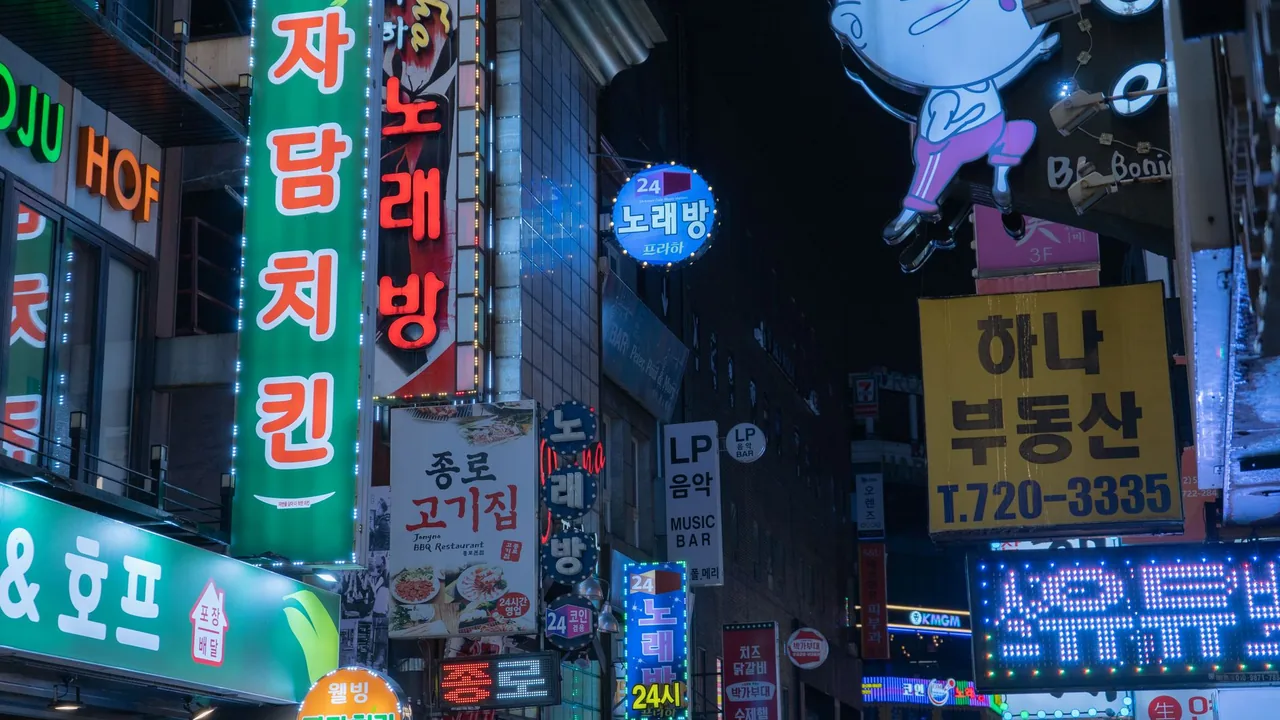
# Daegu Luxury Guide 2026: Where the Wealthy Shop and Eat
Daegu doesn't have Seoul's reputation for excess, which is precisely why you should pay attention. While tourists cram into Myeongdong knockoffs and chain restaurants, Daegu's actual wealthy—textile magnates, medical device manufacturers, and old money families—shop and dine in neighborhoods you've probably never heard of. This guide reveals exactly where they go, what they spend, and how you navigate these spaces without looking lost.
Daegu's Luxury Map: Where Money Congregates
Daegu's wealth doesn't cluster in one "luxury district" the way it does in Seoul. Instead, it's fragmented across three distinct zones, each serving different clientele and occasions. Understanding this geography is your first insider advantage.
Suseong-gu (수성구) is where Daegu's established money lives and shops—lakeside neighborhoods, country clubs, and boutique retail. Jung-gu (중구) contains the city's traditional high-end commercial spine, anchored by department stores and historic restaurant quarters. Nam-gu (남구) is emerging as the younger-wealthy zone, with new galleries, design-focused restaurants, and startup-adjacent luxury.
Most visitors never leave Jung-gu or the train station. You won't make that mistake.
Five Luxury Neighborhoods and Shopping Districts
This is where Daegu's old money breathes. Suseong Lake (수성못) anchors a 4.2km residential crescent where you'll find gated villa communities, private country clubs (membership-only, starting at ₩50M), and boutique shopping that caters exclusively to residents.
What to do: Walk the lake perimeter and spot the architecture. The real shopping happens inside buildings you can't enter. But Bongsan-dong shopping streets (봉산동) branch off the lake—here you'll find independent luxury boutiques, custom tailors, and jewelry ateliers. A bespoke suit from a tailor here runs ₩2.5M–₩4M, compared to ₩5M–₩8M in Seoul's Gangnam.
Dining: Restaurant Millésime (레스토랑 밀레짐), a French-Japanese fusion spot, averages ₩120K–₩150K per person. Reservation essential (even locals book weeks ahead). Lounge Orion, a members-preferred cocktail bar, charges ₩25K–₩35K per drink but doesn't advertise—ask your hotel concierge.
Estimated spend: ₩200K–₩400K for a half-day shopping and lunch.
Myung-dae is where Daegu's younger affluent (40s-50s, new wealth from tech and logistics) shop. It's less stuffy than Suseong, more experimental. You'll find contemporary art galleries, design-forward fashion labels, and restaurants that get written about in Korean design magazines.
Shopping: Myung-dae Gallery Square hosts rotating international and Korean designer pop-ups. Atelier Daegu, a custom jewelry studio, operates by appointment (₩5M–₩20M pieces). Chaebol (a menswear-focused boutique) stocks Korean designers and Japanese labels—expect ₩1.5M–₩3M for a shirt.
Dining: Essence (에센스), a 12-seat omakase counter, charges ₩250K per person (no menu—chef decides). The Vault, a rooftop wine bar, lists bottles from ₩120K–₩1.2M. The cocktails here are taken seriously; ₩22K–₩28K per drink.
Estimated spend: ₩250K–₩600K including one meal.
This is Daegu's historical luxury spine—where the city's first department stores opened and where tradition persists. It's less flashy than newer zones but hosts the city's most established fine dining and heritage luxury retail.
Shopping: Daegu Shinsegae (대구 신세계) anchors the corridor—7 floors of Korean and international luxury brands. Ground floor: Chanel, Dior, Louis Vuitton. Floors 2–3: contemporary brands (Brunello Cucinelli, Loro Piana). Bupyeong Arcade (부평 아케이드), a covered shopping street, has independent jewelers and custom clothiers who've operated for 20+ years.
Dining: Kaiseki Daegu (회석 대구), an 8-seat Japanese haute cuisine spot, charges ₩180K–₩220K per person. The Lounge at Daegu Club, accessible only to members or their guests, serves French-Korean fusion; ₩150K–₩200K for dinner. Ask concierges about guest passes.
Estimated spend: ₩300K–₩500K.
If Suseong is where old money parks itself, Dalseo-gu is where it goes incognito. This residential area hosts Seoul-caliber villa developments (Acro Seoul rival estates), private clubs, and zero tourist infrastructure. Luxury here is private.
What you can access: Dalseo Hanok Village (달서 한옥 마을) contains a handful of ultra-premium Korean restaurants operating from restored traditional houses. House of Moon (달의 집), a 6-table Korean fine dining venue, requires a ₩500K deposit for reservation. Dinner is ₩280K–₩350K per person, typically a 15-course progression.
Shopping: Limited. This zone is residential. But taxis to this area are cheap (₩8K–₩12K from downtown), and the quiet itself is a luxury.
Estimated spend: ₩350K–₩500K for one dinner, otherwise minimal.
The newest luxury zone. Nam-gu is where Daegu's designers, architects, and creative-class wealthy congregate. Galleries, design shops, and concept restaurants dominate. Less established, more risk-taking.
Shopping: Studio Daegu (스튜디오 대구), a design collective housing 15 independent creators, sells furniture, ceramics, and textiles—₩300K–₩5M per piece. Contemporary Daegu gallery rotates Korean contemporary artists. Slow Factory, a minimalist café-boutique, stocks artisanal goods, coffee, and design books.
Dining: Blind Taste (블라인드 테이스트), a Korean "blind" omakase concept where you don't know what you're eating until it arrives—₩200K per person. Ferment, a natural wine bar with a small-plates menu, runs ₩25K–₩40K per drink and ₩80K–₩150K per plate.
Estimated spend: ₩200K–₩450K.
Eight Practical Etiquette & Logistics Tips
- Cash is still king for boutiques. Korea Pay and card are standard, but independent tailors, jewelers, and small galleries often prefer cash and may negotiate discounts—5-10% off for same-day payment. ATMs are everywhere; withdraw ₩2M–₩3M at start of day.
- Reservations are mandatory for fine dining. Even restaurants that look walk-in-friendly require advance booking. Use Naver or Kakao Map to call; most staff speak English. Book 1–2 weeks ahead for omakase venues. Text/WhatsApp from abroad works if the number is listed.
- Dress code exists, but not uniformly. Suseong-area restaurants expect business casual minimum (neat jeans acceptable, gym wear not). Myung-dae and Nam-gu are casual-forward. When in doubt, ask at reservation.
- Tipping is not expected and can be awkward. A 10% service charge may be added to bills over ₩100K. Rounding up to the nearest ₩5K or ₩10K is appreciated but never required.
- Tax-free shopping is available but rarely beneficial. As a tourist, you can claim VAT refund (10% of purchase over ₩150K), but the 2-3% processing fee often negates the benefit. Only pursue if buying ₩2M+. Request form at register.
- English is spotty in independent boutiques. Download Papago (Naver's translator) or use Google Translate offline. Younger staff (under 40) in shopping districts typically speak restaurant English. Concierges at hotels can call ahead to translate.
- Weekday mornings = minimal crowds. Tuesday through Thursday, 10 AM–1 PM, high-end boutiques and restaurants are nearly empty. Saturdays and Sundays see affluent families and couples; expect 20–30-minute waits even with reservations.
- Join the WiFi game. Download Tmap (Korean Google Maps) and Kakao Map—they're more accurate for Daegu than Google. Both offer offline mode. Public WiFi is reliable in shopping areas; passwords are usually printed on receipts.
- Negotiate intelligently on custom pieces. For tailoring, jewelry, or furniture from independent makers, the initial quote includes margin. A polite "Can you do ₩200K instead of ₩250K?" often succeeds if you're committed to purchase that day.
- Join the membership culture selectively. Some restaurants offer "loyalty passes" (₩50K–₩100K upfront) that give 10-15% off future visits. Only worth it if you'll return 3+ times in your stay.
Frequently Asked Questions
A: Start at Myung-dae District in the morning (boutique browsing, 2–3 hours), lunch at Essence or The Vault (₩150K–₩250K), then afternoon at Daegu Shinsegae in Jung-gu (1.5 hours). End with drinks at Lounge Orion or Ferment (₩25K–₩40K). This hits three luxury zones and costs ₩300K–₩500K total. Skip Suseong for single-day visits; it requires leisurely half-day immersion.
A: Rarely. Daegu's luxury market trails Seoul by 6–12 months on new releases. However, Myung-dae occasionally hosts pop-ups from Japanese and European brands (Issey Miyake, Stone Island) before Seoul gets them. Follow @myungdae_daegu on Instagram (Korean-language, but images speak clearly). Designer outlet malls near Gimhae (30 min south) offer Burberry, Coach, Prada at 30–50% off, but these aren't "luxury shopping"—they're budget luxury.
A: Budget ₩150K–₩250K per person for fine dining (omakase, kaiseki, French). This includes food, beverages (non-alcoholic), and service charge. With wine pairings, add ₩80K–₩150K per person. The most expensive single dinner experience is House of Moon (₩280K–₩350K), which remains cheaper than Seoul equivalents by 20–30%.
A: In chain stores and department stores (Shinsegae, Lotte), no. In independent boutiques and ateliers, a gentle inquiry is standard business. Don't haggle in restaurants. For jewelry or custom tailoring, saying "What's your best price if I commit today?" is professional, not rude. Expect 5–15% off if you're serious. Insulting begins only if you low-ball by 30%+ or behave dismissively.
A: None, genuinely. Daegu is safe. Suseong-gu and Dalseo-gu can feel isolating (quiet, car-centric), so solo exploration is less social but totally secure. Nam-gu and Myung-dae have young creative crowds and are lively. Jung-gu's Dongseong-ro is busiest. Pick by vibe, not safety.
A: Most don't enforce strict codes. Business casual (neat jeans, collared shirt, closed shoes) is universal baseline. Suseong-area establishments (especially Millésime, House of Moon) may have unspoken expectations for slightly elevated appearance—no athleisure. Nam-gu and Myung-dae are fashion-forward and casual-friendly. When booking, ask: "Do you have a dress code?" (복장 규정이 있나요?) Most will say "비즈니스 캐주얼" (business casual) or "편하게" (dress comfortably).
Your Next Move
Daegu's luxury landscape rewards insider knowledge. You now have it. The city's wealthy don't advertise where they shop and eat—they simply know. You know now too.
Ask the KORLENS AI chat for Daegu shopping and dining suggestions based on your interests. It is an AI assistant that replies in seconds, not a human team, and it works from Korea Tourism Organization open data. Also visiting Seoul? Seoul Local Picks covers Seoul only.
Daegu is waiting. Don't spend it like a tourist.
Next Step
About this guide
KORLENS is run by one person (KunStudio, a solo studio in Korea), not an editorial team. Guides are AI drafts based on public sources; some use Korea Tourism Organization TourAPI open data. KORLENS does not claim on-site visits or scheduled re-checks, so confirm hours, prices and closures with the venue before you go. Page last edited: 2026-06-03.
Plan your Korea trip with the KORLENS AI chat
Got a follow-up question after reading this? Ask the KORLENS AI chat in plain English. It is an AI assistant, not a person, and it replies in seconds with places from Korea Tourism Organization open data.
Ask the KORLENS AI chatCurious about Korean Saju? Try sajuapp.app
1,000-year-old Korean astrology, decoded by AI — available in 9 languages.
Is it worth visiting, the best time to go, crowds and real cost.
Daegu for Young Travelers 2026: Music, Cafes, Street Culture
Skip Seoul. Daegu's indie music scene, vintage cafes, and underground street culture run deeper than Instagram tourism. Here's where locals actually spend time.
Daegu for Foreigners 2026: Where to Eat, Drink, Stay
Skip Seoul. Daegu is Korea's underrated gem for foreigners in 2026—cheaper, friendlier, and packed with hidden food scenes. Your insider guide to neighborhoods,