Best Neighborhoods to Stay in Busan for Foreigners (2026 Guide)
Skip the tourist traps. We've mapped Busan's best neighborhoods for every trip style—from beachfront party zones to quiet local enclaves where you'll actually l
Opening
Busan isn't Seoul—and that's exactly why you should go. While most guidebooks push you toward the same three tourist blocks, the real Busan lives in neighborhoods where you'll negotiate with ajummas at corner shops, catch sunsets that actually feel earned, and pay prices that won't bankrupt your trip. The streetview of Busan's best neighborhoods tells a different story than the packaged tours suggest. This guide shows where.
Match the Neighborhood to Your Busan Trip Purpose
Before we drop pins, know what you're after. Are you here for beaches and nightlife? Party culture? Foodie deep-dives? Budget backpacking? Cultural immersion? Each Busan neighborhood has a distinct personality, and picking the wrong one wastes both money and time. The city sprawls across three districts (Seo-gu, Jung-gu, and Haeundae-gu being the main ones), and neighborhoods can shift dramatically within a single train stop. Read the descriptions below and match your trip vibe to the neighborhood—not the other way around.
7 Best Neighborhoods to Stay in Busan for Foreigners
Best for: Beach culture, nightlife, comfort, comfort-seekers
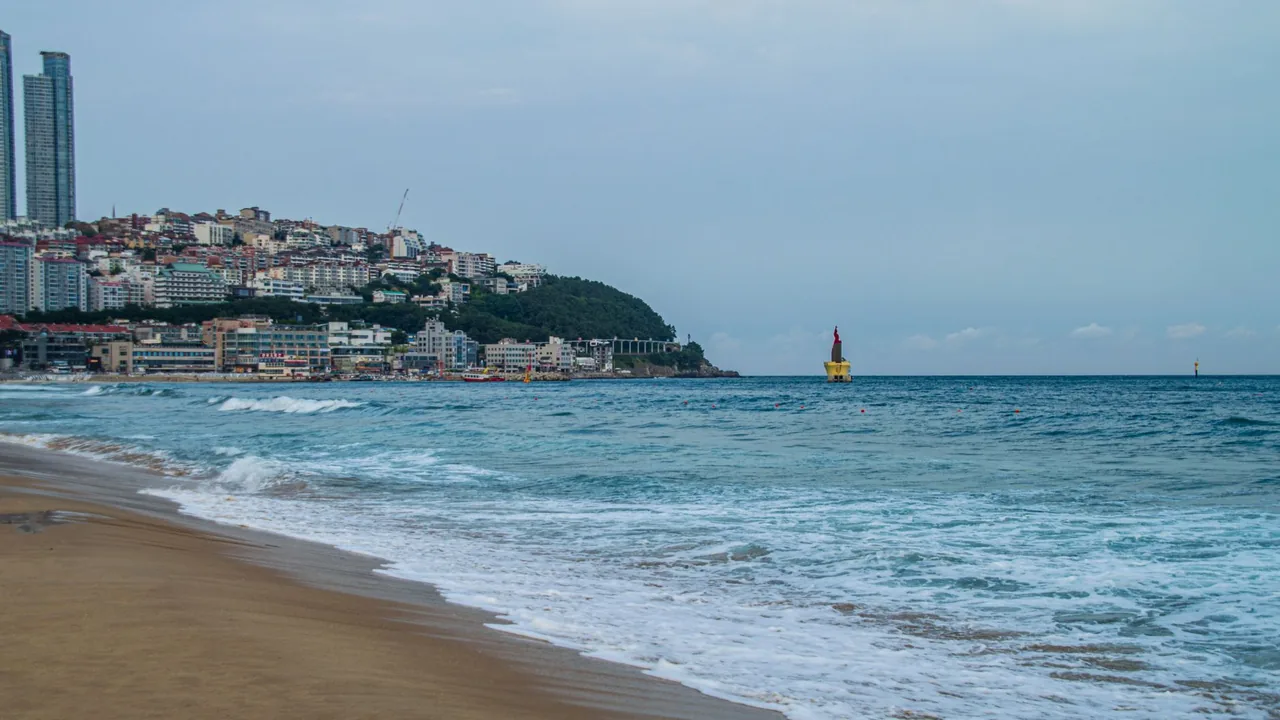
Haeundae is Busan's main beach district and, yes, it's touristy. But that's not always bad. You get reliable WiFi, English menus, and direct access to Haeundae Beach—the most famous stretch of sand in the region. Summer crowds are brutal, but off-season (October–April) it's genuinely pleasant.
Real prices (2026 rates):
- Mid-range hotel: ₩150,000–₩250,000/night
- Guesthouse (double): ₩80,000–₩120,000/night
- Cheap chain hotels: ₩60,000–₩100,000/night
Stay here if you want a zero-friction beach holiday. Skip it if you're looking for local Busan.
Best for: Foodies, budget travelers, cultural exploration, night markets
This is downtown Busan—chaotic, authentic, and where you'll find the best street food. Jagalchi Fish Market is here (yes, it's touristy, but the seafood is genuinely excellent). The neighborhood feels lived-in: narrow alleys, vintage shops, ajummas selling homemade kimbap, tiny pojangmacha (tent bar) clusters. Accommodation is cheaper than Haeundae, and you're walking distance from Busan Station.
Real prices (2026 rates):
- Budget guesthouse: ₩50,000–₩80,000/night
- Mid-range hotel: ₩100,000–₩180,000/night
- Airbnb studio: ₩60,000–₩110,000/night
This is our default recommendation for first-time visitors. The streetview here tells Busan's actual story.
Best for: Photographers, vintage hunters, artists, Instagram aesthetics
A short walk from Nampo-dong, Gwangbok-ro is Busan's creative hub. Vintage record shops, indie cafés, retro bookstores, and small galleries line the streets. It's less crowded than Nampo-dong proper but maintains that gritty, authentic charm. Young Koreans are reclaiming this area, so you'll find good independent restaurants and bars mixing with old mom-and-pop shops.
Real prices (2026 rates):
- Guesthouse: ₩55,000–₩85,000/night
- Boutique hotel: ₩120,000–₩170,000/night
- Studio Airbnb: ₩65,000–₩100,000/night
Stay here if you want Busan with character and fewer tour groups.
Best for: Young travelers, shopping, nightlife, cosmopolitan vibe
Seomyeon is Busan's youth epicenter. Think nightclubs, noraebang (Korean karaoke), drinking culture, and shopping streets packed with Korean fashion chains. It's less touristy than Haeundae but more cosmopolitan than Nampo-dong. Good for solo travelers who want social energy and for those who want to see how young Busan actually lives. Restaurants cater to student budgets—expect exceptional value.
Real prices (2026 rates):
- Budget guesthouse: ₩45,000–₩75,000/night
- Casual hotel: ₩90,000–₩150,000/night
- Shared dorm: ₩30,000–₩50,000/night
Stay here for affordability and authentic young-Korean culture.
Best for: Quiet exploration, local feel, budget travelers, photography
Choryang sits between Nampo-dong and Seomyeon but gets a fraction of the tourists. It's home to Busan Tower (the city's original landmark), colonial-era architecture, and steep hillside neighborhoods where old Busan lives. The neighborhood has character—vintage tea houses, small museums, quiet alleyways. It's less polished than other areas but that's the point. This is where you feel like a traveler, not a tourist.
Real prices (2026 rates):
- Guesthouse: ₩45,000–₩70,000/night
- Small hotel: ₩80,000–₩130,000/night
- Airbnb room: ₩50,000–₩85,000/night
Choose this if you want Busan without the crowds.
Best for: Beach lovers on budget, adventurous travelers, local experience
Yongho Beach is less famous than Haeundae but genuinely better for swimming and people-watching. The neighborhood behind the beach is residential—actual families, local cafés, neighborhood restaurants where foreigners are rare. You get beach access without the package-tour density. Summer is crowded (it's still a beach), but spring and fall are ideal. Transport to downtown (30 min via metro) is easy and cheap.
Real prices (2026 rates):
- Guesthouse: ₩50,000–₩80,000/night
- Small hotel: ₩85,000–₩140,000/night
- Pension (apartment-style): ₩70,000–₩120,000/night
Stay here for beach access plus genuine neighborhood living.
Best for: Nature lovers, slow travelers, photographers, digital nomads
This isn't technically Busan proper—it's the rural county on the eastern edge—but it's worth the train ride (45 min from downtown). Gijang offers rocky beaches, local seafood restaurants, hiking, and almost no foreign tourists. Accommodation is cheaper, and you'll eat better. The streetview here shows you Korea's east coast without the resort infrastructure. Stay 2–3 nights max unless you're really seeking escape; it's quiet to the point of sleepiness for some travelers.
Real prices (2026 rates):
- Small hotel/minbak: ₩60,000–₩100,000/night
- Beach resort-style: ₩100,000–₩180,000/night
- Local guesthouse: ₩50,000–₩90,000/night
Choose this if you want to slow down and eat exceptional seafood.
8 Practical Tips & Etiquette for Busan Neighborhoods
- Download Naver Map, not Google Maps. Google Maps is unreliable in Korea. Naver Map (or Kakao Map) will show actual bus routes, walking times, and has restaurant/accommodation filters. It's essential.
- Konbini culture is real. Every corner has a GS25 or CU convenience store with good, cheap food. Don't rely only on restaurants—you can eat well for ₩5,000–₩8,000 daily just shopping convenience stores.
- Learn basic subway etiquette. Don't eat on trains (exception: drinks are sometimes okay). Stand on the correct side of escalators (left in Busan). Elderly and pregnant women get priority seating—enforce this socially if needed.
- Cash is still king in small places. Bigger establishments take cards, but family restaurants, pojangmacha, and small guesthouses often cash-only. ATMs are everywhere, but plan accordingly.
- Noise expectations vary by neighborhood. Nampo-dong and Seomyeon can be loud until midnight or later. Choryang and Gijang are quiet. If you're noise-sensitive, ask specifically about street-facing vs. interior rooms.
- Neighborhood shops close early. Most small restaurants close by 9–10 PM. Delivery apps (Coupang Eats, Naver Order, Kakao Order) save you if you're hungry late. Downtown areas (Nampo-dong, Seomyeon) stay open later.
- Respect quiet hours. Korean residential culture values quiet from roughly 10 PM–8 AM. Guesthouses may have strict checkout times (usually 11 AM). Check-in is typically 3 PM.
- Haggle mindfully. Korean merchants don't haggle like Southeast Asia. Fixed prices are standard. The exception: street markets (Jagalchi, Gukje Market) where vendors expect negotiation on bulk purchases.
- Phone service is cheap and fast. Buy a local SIM card (₩30,000–₩50,000 for 10GB/month) at the airport. WiFi is widely available but often requires Korean phone verification. The local SIM is worth it.
- Respect hiking etiquette if you explore neighborhoods on foot. Busan has hills and stairs everywhere. Wear comfortable shoes, stay hydrated, and don't wander into obviously private residential areas after dark.
FAQ: Busan Neighborhoods
No. Haeundae's main appeal (the beach) is accessible via a 15-minute train ride from cheaper neighborhoods like Nampo-dong or Seomyeon. You'll pay ₩50,000+ more per night for less authentic experience. If comfort is your priority and budget allows, go ahead. Otherwise, stay downtown and day-trip to the beach.
All of these neighborhoods are genuinely safe—Busan isn't Seoul in terms of crime. Seomyeon and Haeundae have more visible security and crowds. Nampo-dong and Gwangbok-ro are just as safe but feel less sterile. Your real concern isn't safety but comfort with crowds and energy levels. Seomyeon's nightlife and guesthouses cater to solo travelers and have good social scenes.
Yes, mostly. Haeundae and Nampo-dong (being touristy) have English speakers in hotels and restaurants. Gijang and Choryang? Less so, but younger staff often speak basic English. Download translation apps (Papago is better than Google Translate for Korean) and go easy on yourself. Koreans appreciate effort.
Seomyeon or Choryang. Both average ₩45,000–₩75,000/night for solid guesthouses and have actual neighborhood life. Seomyeon is busier (younger crowd, more restaurants), Choryang is quieter (more exploratory vibe). Both beat Haeundae by ₩40,000+ per night.
Excellent. Busan's metro is fast, clean, and cheap (₩1,250–₩2,450 per ride, unlimited transfers within 90 minutes). All these neighborhoods have direct metro access. From Seomyeon to Nampo-dong: 10 minutes. Seomyeon to Haeundae: 15 minutes. Nampo-dong to Choryang: 5 minutes. Public transport is genuinely not a problem.
Advance booking for first night is smart (especially summer). After that, you can walk neighborhoods and book guesthouses in person—many offer discounts for longer stays. Apps like Booking.com and Naver accommodation let you filter by neighborhood. Mix pre-booked comfort with on-arrival discovery.
Closing & Next Steps
Busan's best neighborhoods won't all appear on the same Instagram feed, and that's the point. You're not here for the postcard version—you're here for the actual city. Start in Nampo-dong for immediate immersion, or Gwangbok-ro if you want character with slightly fewer crowds. If you're staying longer than 3 days, split time between two neighborhoods. Downtown one night, beach another. Downtown again to eat.
Once you've settled in, you'll notice the streetview of Busan changes. The same street looks different when you're not rushing. Grab a coffee at a neighborhood café, sit down, and watch how this city actually moves.
Ask the KORLENS AI chat for Busan neighborhood and place suggestions based on your interests. It is an AI assistant that replies in seconds, not a human team, and it works from Korea Tourism Organization open data. Also visiting Seoul? Seoul Local Picks covers Seoul only.
Want more Busan specifics? Read our guide to Best Busan Restaurants by Neighborhood or explore Day Trips from Busan.
Next Step
About this guide
KORLENS is run by one person (KunStudio, a solo studio in Korea), not an editorial team. Guides are AI drafts based on public sources; some use Korea Tourism Organization TourAPI open data. KORLENS does not claim on-site visits or scheduled re-checks, so confirm hours, prices and closures with the venue before you go. Page last edited: 2026-05-23.
Plan your Korea trip with the KORLENS AI chat
Got a follow-up question after reading this? Ask the KORLENS AI chat in plain English. It is an AI assistant, not a person, and it replies in seconds with places from Korea Tourism Organization open data.
Ask the KORLENS AI chatCurious about Korean Saju? Try sajuapp.app
1,000-year-old Korean astrology, decoded by AI — available in 9 languages.
Is it worth visiting, the best time to go, crowds and real cost.
Best time to visit Busan, month by month →Busan Transport Guide for Foreigners (2026): Subway, Bus, Taxi
Navigate Busan like a local. Master subway, bus, taxi systems with real prices, insider tips, and what actually works for foreign travelers.
Busan Cherry Blossom 2026: Best Spots and Exact Timing
Skip Seoul crowds. Busan's cherry blossoms peak 7-10 days earlier with fewer tourists, lower prices, and equally stunning views. Here's where to go in 2026.