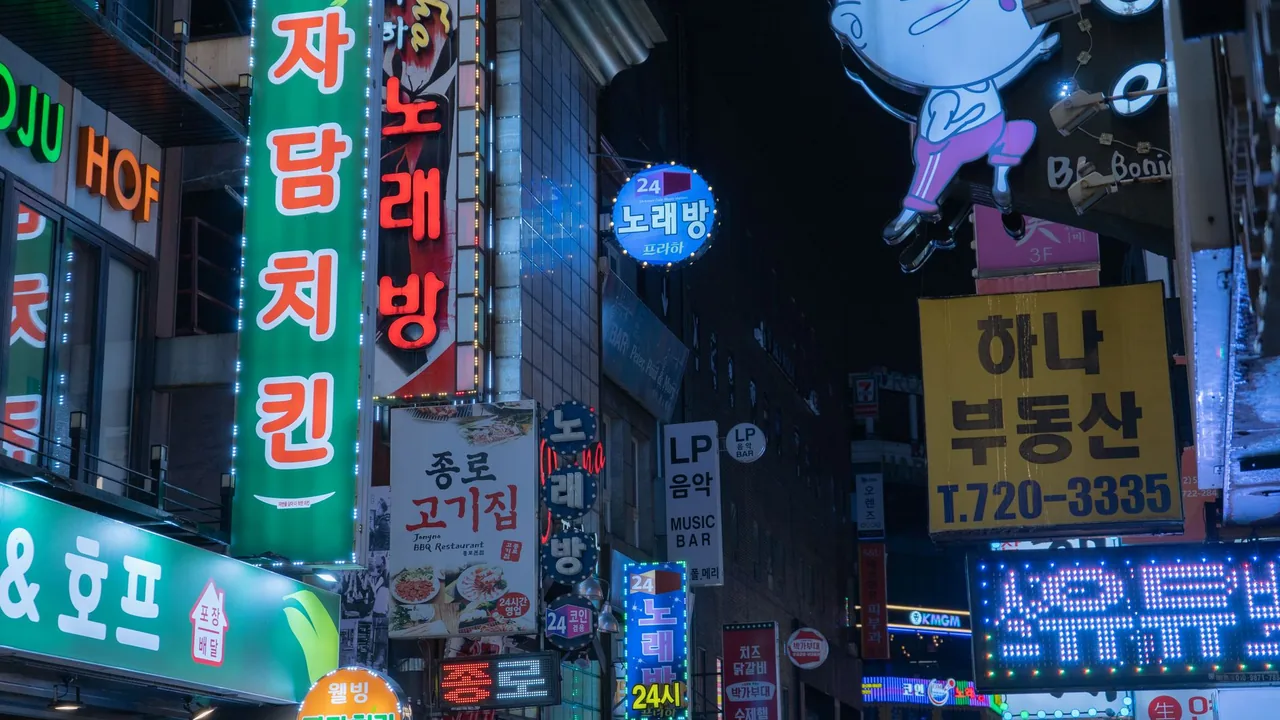
Is Seongsu-dong worth it? An honest reality check
성수동 · Seongdong-gu, Seoul, South Korea
The "Brooklyn of Seoul," or just a hyped café district? Here's what to really expect from Seongsu-dong — what's genuinely worth your time, what's just on-trend filler, when to go to dodge the crowds, and how to avoid disappointment.
The honest verdict
For travelers who like cafés, design and a less-touristy slice of the city, Seongsu-dong is worth a relaxed half-day — as long as you know it's a vibe, not a ticketed sight. Old shoe-factory warehouses east of the Han River have been turned into independent cafés, concept stores, brand pop-ups, galleries and craft studios, which is why 2026 guides keep calling it the "Brooklyn of Seoul." The honest catch: there's no single must-see, weekends and trending-café lines get crowded, and the experience is the walking. It's less worth itif you're chasing classic landmarks or nightlife — palaces, Bukchon or Hongdae fit those better. The move most travelers make: go on a weekday, wander the side streets, and pre-book one hands-on craft workshop so the visit has an anchor.
Want more than a café crawl? A guided Seongsu-dong walk with a local surfaces the concept stores, pop-ups and back-lane studios first-timers miss — and a pre-booked craft workshop (perfume, ring-making, leather) gives the visit a real anchor. The best ones fill up, so booking ahead pays off.
Local guide to the concept stores · book maker workshops before they sell out
GetYourGuide · free cancellation up to 24h · verified traveler reviews
Affiliate links to GetYourGuide. If you book through them, KORLENS may earn a small commission at no extra cost to you. We only suggest experiences that fit the area honestly.
What to really expect
The vibe
Industrial-chic: old shoe-factory warehouses east of the Han River turned into independent cafés, concept stores, brand pop-ups, galleries and craft studios. The 'Brooklyn of Seoul.'
The honest catch
There's no ticketed headline sight — the experience IS the walking and browsing. Weekends and trending-café / pop-up lines get crowded, which is where the let-down reviews come from.
Where the good stuff is
The café and concept-store side streets, brand pop-up 'flagship' spaces, small galleries, and hands-on craft workshops (perfume, ring-making, leather). Seoul Forest is a short walk for a green break.
How long to spend
A half-day is plenty. It's a slow wander, not a fixed attraction — give yourself a couple of unhurried hours to dip into the lanes and maybe one workshop.
Best for
Travelers who like specialty coffee, design and fashion, a less-touristy modern Seoul, and doing something hands-on rather than ticking off monuments.
Skip / temper it if
You're chasing classic landmarks or nightlife — palaces, Bukchon or Hongdae fit those better. Go on a weekday and don't expect a single 'wow' sight; expect a great-mood neighborhood stroll.
How to get the most out of it (and avoid the let-downs)
- Go on a weekday if you can. Seongsu-dong has become genuinely popular, so weekends and the lines outside trending cafés and pop-ups get busy. A weekday keeps the slow-browse feel that makes the area work.
- Treat it as a wander, not a checklist. There's no headline ticket to buy — the concept stores, brand pop-ups, small galleries and café side streets are the experience. Build in unhurried time.
- Book a craft workshop ahead. Perfume-making, ring-making and leather classes are the standout hands-on activity here and the good ones fill up — reserve before you arrive so the visit has an anchor.
- Add Seoul Forest for a green break. Ttukseom / Seoul Forest is a short walk away and balances the café-hopping with some open air.
- See it through a local's lens. A guided Seongsu-dong walk surfaces the concept stores and studios that are easy to walk straight past.
Make a day of it
한국 체험 둘러보기
서울, 부산, 제주를 비롯한 전국 5,000개 이상의 투어. 실제 여행자 리뷰 기반.
Pairing the walk with a hands-on craft workshop turns a café crawl into a proper Seongsu day. Compare options, prices and free-cancellation windows on the listing before you book.
Affiliate disclosure: links on this page to GetYourGuide (and the partners below) are affiliate links. If you book through them, KORLENS may earn a small commission at no extra cost to you. We only suggest experiences that fit the area honestly.
Frequently asked about Seongsu-dong
Is Seongsu-dong worth it?
For most travelers who like cafés, design and a less-touristy slice of Seoul, Seongsu-dong is worth a half-day — if you know what it is. It's a former shoemaking and light-industry district east of the Han River where old factories and warehouses have been converted into independent cafés, concept stores, brand pop-up spaces, galleries and craft studios. People call it the 'Brooklyn of Seoul' because the appeal is the atmosphere and the maker scene, not a single famous sight. The catch: there's no ticketed must-see, weekends and pop-up lines get crowded, and the whole experience is the walking. Go on a weekday, treat it as a slow wander, and it's one of the most rewarding modern neighborhoods in the city. Come expecting a classic landmark and you'll be underwhelmed.
Why is Seongsu-dong called the 'Brooklyn of Seoul'?
Because it followed the same arc as Brooklyn: a working industrial district — here, decades of shoe factories and workshops — that emptied out and was reclaimed by independent cafés, designers, artists and small brands who kept the raw warehouse look. Exposed brick, concrete and old machinery sit next to specialty coffee, fashion concept stores and pop-up flagships. The label is travel-writing shorthand for 'industrial-chic, creative, on-trend.' It captures the vibe well, but set your expectations accordingly: the draw is the mood, the shops and the workshops, not monuments.
What is there to do in Seongsu-dong?
It's a wander-and-browse neighborhood. Travelers spend their time on the café and concept-store streets (specialty coffee, dessert spots, design and fashion shops), dropping into brand pop-up 'flagship' spaces and small galleries, and doing a hands-on craft workshop — perfume-making, ring-making and leather classes are popular and genuinely well-run. Seoul Forest and the Ttukseom area are a short walk away for a green break, and Ttukdo Youth Market adds fashion and street-food browsing. There's no single ticket to buy; the experience is the street itself, so give yourself a couple of unhurried hours.
When is the best time to visit Seongsu-dong?
A weekday is the common recommendation. Seongsu-dong has become genuinely popular, so weekends — and the lines outside trending cafés and limited-run pop-ups — get busy. On a weekday the shops, studios and cafés are open with far lighter crowds, which suits the slow-browse nature of the area. Daytime into early evening works best for the café and shopping scene. If you want to do a craft workshop, book it before you arrive, since the good ones fill up.
Seongsu-dong or Hongdae — which should I visit?
Different moods. Seongsu-dong is the calmer, design-led, café-and-concept-store district — industrial-chic, maker workshops, daytime browsing. Hongdae is younger and louder: busking, indie nightlife, student energy and street performances into the evening. If you want trendy cafés, fashion and a relaxed creative wander, choose Seongsu; if you want nightlife, live music and a buzzing crowd, choose Hongdae. They're on opposite sides of the city, so many travelers do them on separate days rather than back to back.
Sponsored picks
Travel essentials & top picks
Hand-picked partners. KORLENS earns a small commission on bookings — your price stays the same.
Top tours & tickets
Skip-the-line entry to palaces, hanbok rental, DMZ day trips.
Cheap flights to Korea
Aviasales compares 100+ airlines + 728 agencies. Lowest-price calendar.
Hotels in Korea
Trip.com compares 100K+ properties. Free cancel on most rooms.
Experiences & day trips
K-pop dance class, Nami Island, cherry blossom tours, hanbok shoot.
Travel insurance
EKTA covers medical, baggage and trip cancellation for your Korea trip.