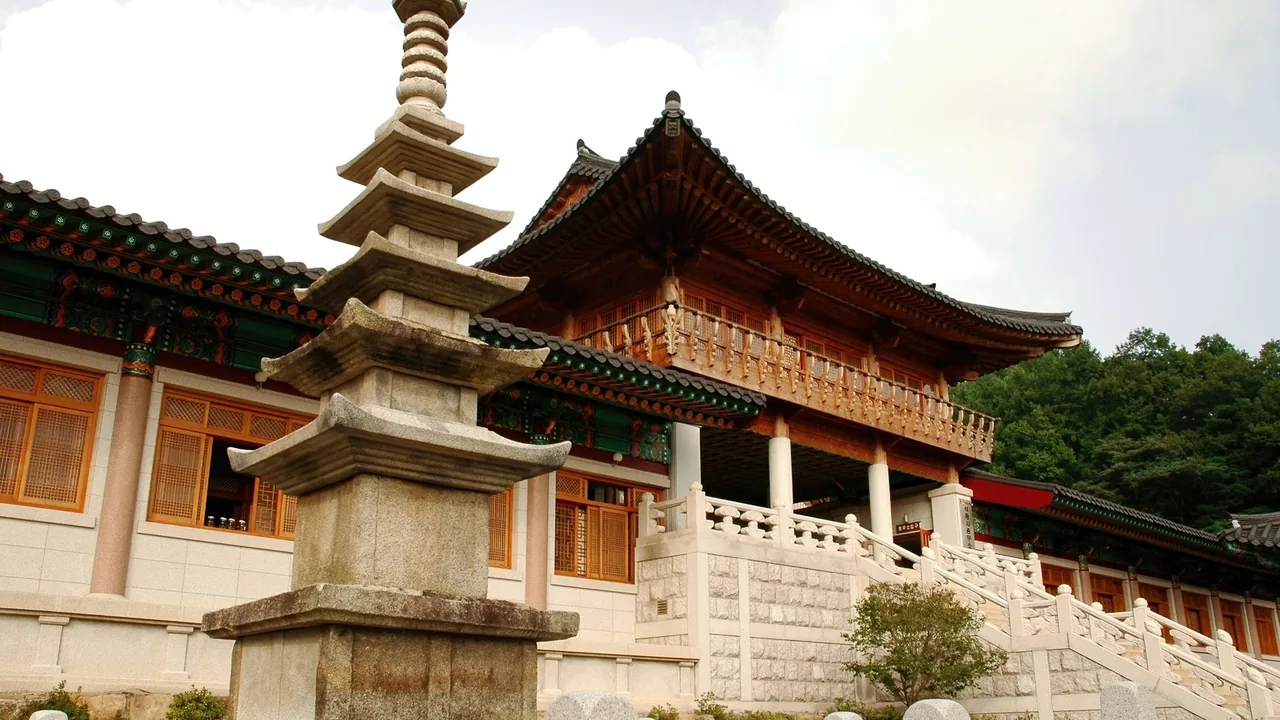
Is Gyeongju worth visiting? An honest reality check
경주 · Gyeongsangbuk-do (Gyeongbuk), South Korea
Day trip from Seoul, or do you need two days? Here's what to really expect in Korea's ancient Silla capital — the spread-out UNESCO sites, getting around, how long it actually takes, and how to avoid a rushed, disappointing visit.
The honest verdict
For history-minded travelers, Gyeongju is absolutely worth it — but give it two days, not a rushed afternoon. It is Korea's thousand-year Silla capital, a compact "museum without walls" of royal tombs, UNESCO temples and an ancient observatory. The catch is geography: the headline sites, Bulguksa and Seokguram, sit well outside town and local transport between them is slow, so a same-day return from Seoul (about 2 hours each way by KTX) leaves you choosing what to skip. Stay overnight, or join a guided tour that links the outlying temples, and Gyeongju delivers. It is one of Korea's most rewarding trips — not overhyped, just easy to under-plan.
Short on time?Gyeongju's best sites are spread out and the local buses are slow — that's the part that trips people up. A guided tour links Bulguksa, Seokguram and the central sites with transport sorted, so you actually see the highlights instead of waiting at bus stops.
Transport sorted · skip the slow local buses · free cancellation up to 24h
GetYourGuide · free cancellation up to 24h · verified traveler reviews
Affiliate links to GetYourGuide. If you book through them, KORLENS may earn a small commission at no extra cost to you. We only suggest tours that fit the destination honestly.
What to really expect
What it is
Korea's ancient Silla capital — a compact, attractive city of royal tombs, UNESCO temples and an old observatory. A 'museum without walls,' slower and more historical than Seoul or Busan.
Getting there
KTX from Seoul to Singyeongju is about 2 hours each way; from Busan it is much closer (~1 hour by train/bus), which is why many people visit Gyeongju from Busan.
The catch
The central sites are walkable, but Bulguksa and Seokguram sit well outside town and local transport between them is slow. This is what makes a rushed day trip frustrating.
How long
Two days does it justice (central area + Bulguksa/Seokguram). One day works only if you focus tightly or take a guided tour that links the outlying sites.
Best for
Travelers who love history, heritage and a slower pace — and anyone who wants Korea beyond its big-city skyline.
Skip it if
You have only 3-4 days total for Korea, you mainly want nightlife and shopping, or temple-and-tomb history isn't your thing.
How long to give it (and how to dodge the rush)
- Two days is the sweet spot: the central tomb park, Cheomseongdae and the illuminated Donggung Pond on day one; Bulguksa and Seokguram on day two.
- Visiting from Busan? It is far closer (~1 hour) than Seoul (~2 hours by KTX), which makes a satisfying day trip much more realistic from the south coast.
- Only have one day? Focus on the central area or take a guided tour — trying to reach Bulguksa and Seokguram by local bus eats most of your time.
- The single biggest fix for the spread-out sites is a guided Gyeongju tour that links Bulguksa, Seokguram and the central sites with transport handled.
The easiest way to do it
한국 체험 둘러보기
서울, 부산, 제주를 비롯한 전국 5,000개 이상의 투어. 실제 여행자 리뷰 기반.
Because the temple sites are spread out and local transport is slow, most visitors who are short on time book a tour. A Gyeongju day tour covering Bulguksa, Seokguram and the central sites handles the transport and timing, so you see the highlights instead of waiting at bus stops — and free cancellation means you can change plans if you need to.
Affiliate disclosure: links on this page to GetYourGuide (and the partners below) are affiliate links. If you book through them, KORLENS may earn a small commission at no extra cost to you. We only suggest experiences that fit the destination honestly.
Frequently asked about Gyeongju
Is Gyeongju worth visiting?
For history-minded travelers, yes — Gyeongju is one of Korea's most rewarding destinations. As the thousand-year capital of the Silla Kingdom it is often called a 'museum without walls,' with UNESCO-listed sites like Bulguksa Temple and Seokguram Grotto, royal burial mounds you can walk among, and the Cheomseongdae observatory all in one compact area. It is a slower, more reflective trip than Seoul or Busan. If you only want neon, shopping and nightlife it may feel quiet — but if you want Korea's deep history in an attractive, walkable setting, it earns the trip.
Is Gyeongju worth it as a day trip from Seoul?
It is possible but tight. The KTX from Seoul to Singyeongju station takes roughly 2 hours each way, so a same-day return leaves only a few hours on the ground — enough for the central tomb park and a couple of highlights, but not Bulguksa and Seokguram, which sit well outside town. If a day trip is all you have, a guided tour that handles the transport and the spread-out sites makes it far more worthwhile than trying to piece it together solo. To do Gyeongju justice, most travelers give it an overnight (2 days).
How many days do you need in Gyeongju?
Two days is the sweet spot for first-timers: one day for the central area (the tomb park, Cheomseongdae, Anapji/Donggung Pond at night, Daereungwon) and one for Bulguksa Temple and Seokguram Grotto on the outskirts. Three days lets you add Namsan's mountain temples and museums at a relaxed pace. A single day is doable only if you focus tightly and ideally join a tour, because the must-see temple sites are far from the town center.
Is Bulguksa Temple worth it?
Yes — Bulguksa is a UNESCO World Heritage temple and one of the finest examples of Silla-era Buddhist architecture in Korea, with the famous Dabotap and Seokgatap stone pagodas. It is large, so allow a couple of hours, and it sits about 30-40 minutes from central Gyeongju, often paired with the nearby Seokguram Grotto. Because both are outside town and local buses can be slow, many visitors reach them on a guided tour or arranged transport rather than improvising.
How do you get around Gyeongju?
The central sites cluster together and are walkable or a short bike ride apart, but the headline temple sites (Bulguksa, Seokguram) are well outside the center, and local public transport between them is limited and time-consuming. That gap is the single biggest reason day-trippers feel rushed. A guided tour or arranged transport that links the outlying sites removes the main pain point and is why so many visitors book one.
When is the best time to visit Gyeongju?
Spring (cherry blossoms, especially around Bomun Lake and the tomb park) and autumn (foliage) are the most scenic and most popular, so expect more visitors then. Summer is hot and humid; winter is quiet and cold but uncrowded. Whatever the season, an evening at the illuminated Donggung Palace and Wolji Pond (Anapji) is a highlight worth timing your day around.
Sponsored picks
Travel essentials & top picks
Hand-picked partners. KORLENS earns a small commission on bookings — your price stays the same.
Top tours & tickets
Skip-the-line entry to palaces, hanbok rental, DMZ day trips.
Cheap flights to Korea
Aviasales compares 100+ airlines + 728 agencies. Lowest-price calendar.
Hotels in Korea
Trip.com compares 100K+ properties. Free cancel on most rooms.
Experiences & day trips
K-pop dance class, Nami Island, cherry blossom tours, hanbok shoot.
Travel insurance
EKTA covers medical, baggage and trip cancellation for your Korea trip.