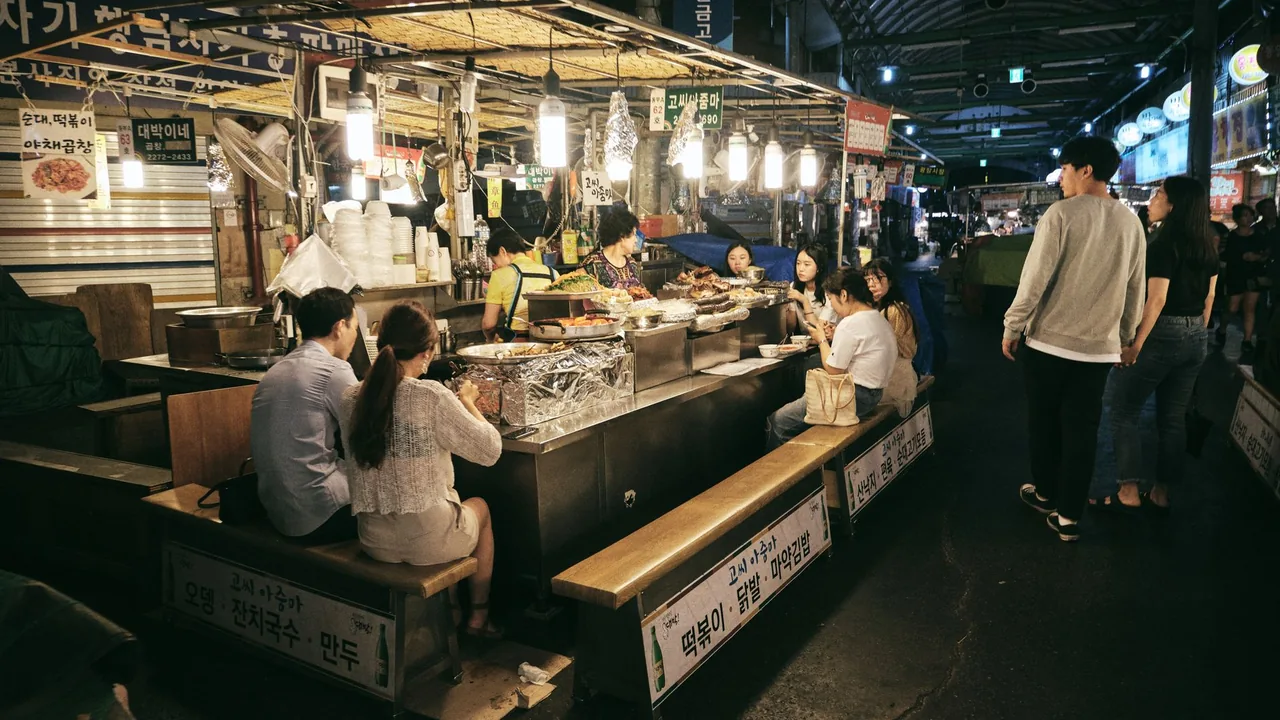
Is a Gwangjang Market food tour worth it? An honest reality check
광장시장 푸드 투어 · Seoul, South Korea
A stress-free way to eat the best of Seoul's most famous street-food alley, or money you could spend on more food? Here's what to really expect from a guided Gwangjang Market tasting tour — what it includes, what to eat, the cash-only catch, and how to avoid disappointment before you book.
The honest verdict
For first-timers and travelers who feel overwhelmed by a packed market, a guided Gwangjang Market food tour is usually worth it — it turns a chaotic, cash-only food alley into an easy, well-paced tasting where someone orders for you and explains what you're eating. You eat the right things in the right order without the trial and error. It's less essentialif you're a confident, adventurous eater happy to point at what looks good and manage cash — Gwangjang is walkable and cheap to explore solo, so a tour mainly buys you guidance and context. The two things that decide whether you'll feel it was worth it: how comfortable you are diving into a busy market alone, and checking the tour's tasting count and whether food is included before you book.
Want a guide to do the ordering?Popular Gwangjang and Seoul food tours fill up, so booking ahead is the practical move. You can compare the dedicated Gwangjang Market tasting tours or browse Seoul's wider street-food tours to find the dish count and pace that suits you.
A guide orders for you · eat the right stalls · skip the guesswork
GetYourGuide · free cancellation up to 24h · verified traveler reviews
Affiliate links to GetYourGuide. If you book through them, KORLENS may earn a small commission at no extra cost to you. We only suggest experiences that fit the area honestly.
What to really expect
The experience
A host-led tasting walk through Seoul's most famous traditional street-food market — your guide orders, explains each dish and the market's history, and paces the eating so you don't fill up on the first stall.
Typical inclusions
Operators commonly advertise several Korean street-food tastings, a guide, and sometimes a short walk through nearby areas. The exact dish count, whether food is included in the price, and the route vary — confirm per operator.
What to eat
Signature dishes include bindaetteok (mung-bean pancakes), mayak gimbap (mini rice rolls), yukhoe (beef tartare) and kalguksu (hand-cut noodles). A good starter list whether you tour or go solo.
The cash catch
Many open-air stalls are cash-only; larger restaurants may take cards. Bring Korean won. On a tour, ask whether tastings are paid for you or bought as you go.
Best for
First-timers, nervous eaters, and travelers who want a guide to translate, explain and pick the worthwhile stalls — or anyone short on time who wants the highlights without the trial and error.
Skip / DIY it if
You're a confident, adventurous eater happy to point, manage cash and dive in. Gwangjang is walkable and cheap to explore on your own — a tour mainly buys you guidance and context.
How to get the most out of it (and avoid the let-downs)
- Go hungry, in stages. A market tour is a lot of tasting. Arrive with an empty stomach and pace yourself across stalls so you can actually try the bindaetteok, mayak gimbap, yukhoe and noodles rather than filling up on the first thing.
- Read the inclusions before you book. Number of tastings, whether the food cost is in the ticket, and whether the route leaves the market vary by operator — confirm them on the booking page so the tour actually adds up for you.
- Carry cash. Many open-air stalls are cash-only. Bring Korean won even on a tour, and ask the operator whether tastings are paid for you or bought as you go.
- Mind the timing and crowds. The food alley is busy by design, and exact stall hours vary — check current opening times for your day, and pair the visit with the wider Seoul food-tour options if you want a different market or neighborhood too.
Book the tasting
한국 체험 둘러보기
서울, 부산, 제주를 비롯한 전국 5,000개 이상의 투어. 실제 여행자 리뷰 기반.
Booking ahead locks in your spot on a popular tour — and a wider Seoul food tour is worth a look if you want to cover more than one market or a different neighborhood.
Affiliate disclosure: links on this page to GetYourGuide (and the partners below) are affiliate links. If you book through them, KORLENS may earn a small commission at no extra cost to you. We only suggest experiences that fit the area honestly.
Frequently asked about Gwangjang Market food tours
Is a Gwangjang Market food tour worth it?
It depends on how you like to travel. If you're a first-timer who feels overwhelmed by a packed, fast-moving market — or you want a guide to order for you, explain what each dish is, and steer you to the stalls worth your stomach space — a guided tasting tour is an easy, low-stress way to eat well and learn the market. If you're an adventurous eater who's happy to point at what looks good, manage cash and just dive in, you can absolutely do Gwangjang on your own for less. Either way, check the current tour inclusions (how many tastings, whether food is included) before you book.
What's usually included in a Gwangjang Market food tour?
Inclusions vary by operator, but guided Gwangjang Market tours are commonly host-led tasting walks where you try several Korean street-food dishes while your guide explains the market and its history. Some tours also walk nearby areas such as the Cheonggyecheon stream or Euljiro. The number of tastings, whether the food cost is included in the ticket, and the exact route differ between operators — treat the dish count and 'food included or not' as things to confirm on the specific booking page before you pay.
What should I eat at Gwangjang Market?
The market's signature street foods include bindaetteok (mung-bean pancakes fried crisp on big griddles), mayak gimbap (small 'addictive' seaweed rice rolls served with a mustard-soy dip), yukhoe (Korean beef tartare, often with egg yolk and pear) and kalguksu (hand-cut noodle soup). A guide will usually walk you through these and a few more; on your own, those four are a great starter list. Tastes and stalls are personal, so use this as a starting point rather than a fixed must-eat order.
Do I need cash at Gwangjang Market?
Bring cash. Many of the open-air food stalls are cash-only, while larger sit-down restaurants may accept cards — so carrying some Korean won saves you from being stuck at a stall that can't take a card. On a guided tour, ask the operator whether tastings are paid for you or whether you'll buy as you go, so you know how much cash to bring. Card acceptance can change, so it's safest to assume cash for the stalls.
When is the best time to go, and is it crowded?
Gwangjang Market is busy by design — it's one of Seoul's most famous markets and the food alley draws big crowds, especially at peak meal times and on weekends. That energy is part of the appeal, but if you want a little more room to move, going at off-peak hours can help. Exact stall hours vary and some close earlier than others, so check current opening times for the day you plan to visit rather than assuming a fixed timetable.
Sponsored picks
Travel essentials & top picks
Hand-picked partners. KORLENS earns a small commission on bookings — your price stays the same.
Top tours & tickets
Skip-the-line entry to palaces, hanbok rental, DMZ day trips.
Cheap flights to Korea
Aviasales compares 100+ airlines + 728 agencies. Lowest-price calendar.
Hotels in Korea
Trip.com compares 100K+ properties. Free cancel on most rooms.
Experiences & day trips
K-pop dance class, Nami Island, cherry blossom tours, hanbok shoot.
Travel insurance
EKTA covers medical, baggage and trip cancellation for your Korea trip.