Seoul Palace Tour: Gyeongbokgung + Changdeokgung in One Day
Skip the single-palace routine. See why combining Gyeongbokgung and Changdeokgung in one day gives you the real Seoul palace experience—with insider timing, pri
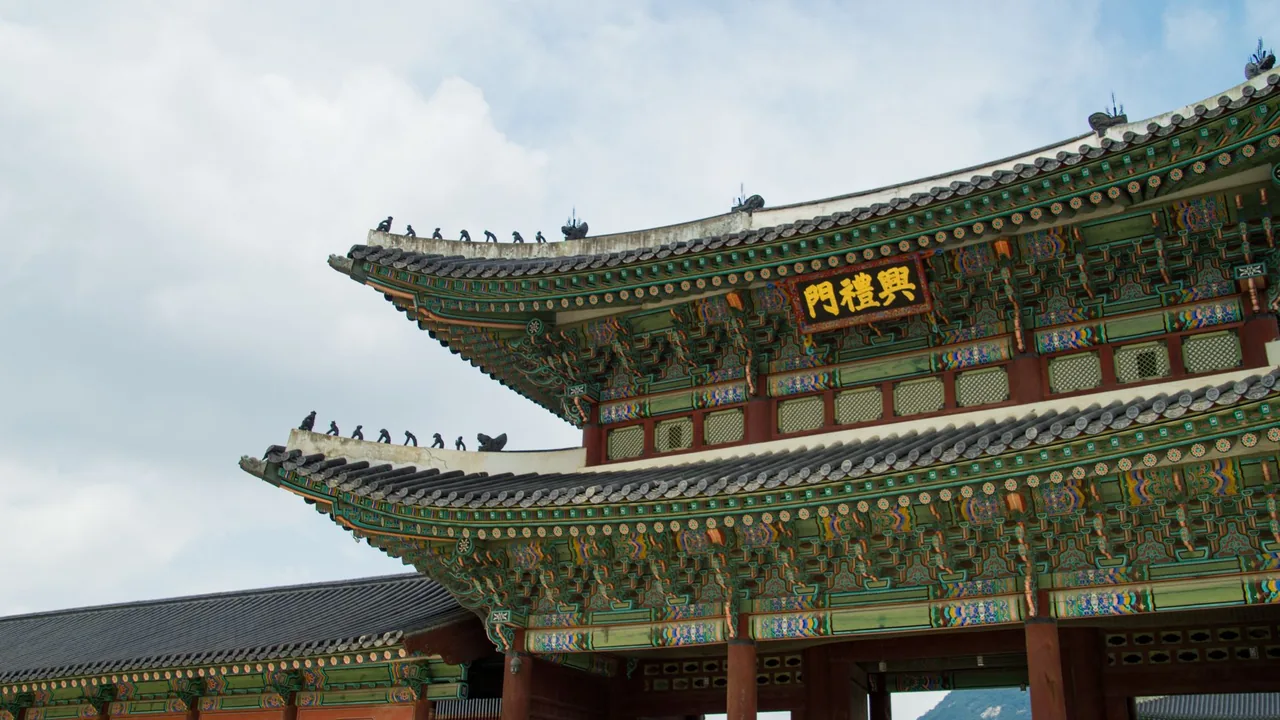
# Seoul Palace Tour: Gyeongbokgung + Changdeokgung in One Day
Most travelers hit one palace, snap photos at the gate, and move on. That's the tourist mistake. The real Seoul experience isn't about checking boxes—it's about understanding how the Joseon Dynasty actually lived and ruled across two completely different palace philosophies. Gyeongbokgung palace and Changdeokgung aren't interchangeable; they're complementary. One shows you state power and restoration. The other reveals royal living spaces and garden design that influenced centuries of Korean aesthetics. Do both in a single day, and you'll leave Seoul with actual insight instead of just Instagram poses.
Why These Two Palaces Beat Any Single One
Gyeongbokgung palace is the official power center—the largest of Seoul's five grand palaces and the primary seat of Joseon kings from 1395 onward. It's been destroyed, rebuilt, and restored so many times that walking through it feels like reading architectural palimpsests. The scale is deliberate. The throne hall, Geunjeongjeon, was designed to make you feel small. The open courtyards forced officials to stand in the rain if the king summoned them. Everything here communicates hierarchy.
Changdeokgung, built in 1405, tells a different story. While Gyeongbokgung shouts "authority," Changdeokgung whispers "home." It's where kings actually lived, where they wrote poetry in pavilions, where they walked private gardens at dawn. The Secret Garden (Biwon) is the crown jewel—a 78-hectare landscape deliberately designed to feel like nature, though every stone and water feature was meticulously planned. You'll only see this with a guided tour, and it's worth the extra time.
Doing both in one day creates a narrative arc: from public ritual to private sanctuary. You're not just seeing buildings; you're reconstructing how power and intimacy coexisted in medieval Korea.
5 Must-See Spots + Real Pricing
Entry fee: ₩3,000 (adults), ₩1,500 (youth/seniors)
What to actually do: Skip the crowds near Geunjeongjeon and head straight to Hyangwonjeong—the octagonal pavilion on the western pond. It's peaceful, photogenic, and locals rarely venture there before 11 a.m. The restored Gwanghwamun Gate gives you the best view back toward the throne hall. Allow 90 minutes minimum; 2 hours if you want breathing room.
Pro tip: Rent a hanbok (traditional dress) from nearby vendors—₩15,000–₩50,000 depending on quality. You'll blend better, and photos will look exponentially better. Most rental shops stay open until 6 p.m., but return by 5 p.m. to avoid late fees.
Main palace entry: ₩3,000 Secret Garden (Biwon) guided tour: ₩5,000 additional (mandatory tour, English tours at 10 a.m., 1 p.m., 3 p.m.)
What to actually do: The main palace itself takes 45 minutes. The real value is the Secret Garden—you cannot enter without a guide, and that's intentional. Tours are capped at 20 people and last 90 minutes. The garden is closed Mondays and Tuesdays, so plan accordingly. English tours fill up by 9:45 a.m., especially weekends.
Pro tip: Book the 1 p.m. tour if you're combining both palaces. It gives you morning time at Gyeongbokgung without the 9 a.m. rush, and you'll finish by 2:30 p.m., leaving afternoon time for food or shopping.
Cost: Free to walk; budget ₩10,000–₩40,000 for artisan shops, tea, or meals
Nestled between the two palaces, this pedestrianized alley is where Seoul's cultural soul lives. Real antique dealers, traditional art galleries, and independent cafes—not tourist traps. Stop at Ssamziegil (₩0 entry for 5-floor artisan market), grab Namsangol Traditional Tea House (₩8,000–₩15,000 for premium loose-leaf tea), or eat at Gwanghwamun Jip (₩12,000 for bibimbap). This is where you decompress between palaces and understand contemporary Korean creative culture.
Cost: Free to walk; ₩5,000–₩25,000 for cafes/restaurants
Just north of Changdeokgung, this 600-year-old neighborhood preserves traditional Korean house architecture in living form. Real families still live here—respect that. Walk the main alley between Anguk and Samcheong-dong subway stations (takes 20 minutes). Stop at Namu Teahouse (₩8,000–₩12,000) or grab lunch at Muk-eun Nae (₩10,000 for jjim). The light hits differently in late afternoon.
Cost: Free
This restored urban creek is your decompression zone after palace walking. Locals come here to sit by the water, not tourists. Walk from Jongak Station south toward the market areas. The water temperature drops from the palace district, and the urban noise softens. Grab tteokbokki from street vendors (₩5,000–₩8,000) and actually stand still for 10 minutes instead of power-walking. This is where you integrate what you've learned.
Cost: Free to walk; ₩6,000–₩18,000 for cafes
North of Bukchon, this village has younger energy—independent bookshops, design studios, craft coffee roasters. Hollys Coffee (chains are fine here; ₩5,000–₩8,000) or independent shops like Bake Code (₩5,000–₩12,000 for pastries). It's where creative Seoul lives, and it contextualizes how modern Korean culture evolves from those palace traditions.
Cost: Free to walk; ₩8,000–₯30,000 for food/shopping
If you have evening energy, this is Seoul's main shopping district. Walk from City Hall or Myeongdong Station. Real Korean food vendors here: Myeongdong Kyoja (₩9,000 for kalguksu), Line Friends Store, street food everywhere. Less cultural depth than other neighborhoods, but it's where you see contemporary Seoul if you want market intensity.
Practical Etiquette & Tips (Essential)
- Shoes off at palace interiors. Some throne halls require it; some have plastic covers. Wear slip-ons. Socks without holes. This is non-negotiable.
- Photography rules vary. Gyeongbokgung allows most photos, but check for "prohibited" signs near certain halls. Changdeokgung's Secret Garden prohibits tripods and commercial photography—handheld only.
- Bow when passing elderly visitors. Not deep bows—a slight forward nod. Korean palace visitors, especially older locals, notice and appreciate respect.
- Carry cash. Most entry booths accept card, but smaller vendors in Insadong and Bukchon are cash-only. Find ATMs near subway stations (KEB Hana Bank has English interfaces).
- Timing matters. Gyeongbokgung crowds peak 10:30 a.m.–3 p.m. Arrive by 9 a.m. or after 4 p.m. Changdeokgung's Secret Garden tours are stricter—book ahead or arrive 20 minutes early.
- Respect no-entry zones. Velvet ropes and signs aren't suggestions. Climbing walls or entering cordoned areas gets you fined and photographed by guards.
- Download Papago or Google Translate. English signage at palaces is basic. Translation apps help with deeper plaques and context.
- Wear comfortable shoes. Palace grounds are 70% walking. Your feet decide the itinerary, not your schedule.
- Hydrate and eat strategically. Palace food vendors sell basic kimbap (₩5,000) and bottled water (₩2,000–₩3,000). Eat lunch at Insadong or Bukchon instead—better quality, similar price.
- Check seasonal closures. Both palaces close one Monday per month for maintenance. Changdeokgung closes Tuesdays. Verify dates on official websites before planning.
FAQ: Palace Tour Questions Answered
Minimum: 4 hours (2 hours at Gyeongbokgung, 90 minutes at Changdeokgung with Secret Garden tour, 30 minutes transitions). Realistic: 5–6 hours if you walk slower, read plaques, sit occasionally. Add 2 hours if you're eating properly or visiting Insadong. Most first-time visitors underestimate walking distance and palace scale.
Yes, but strategically. Rent for 3 hours at Gyeongbokgung (₩20,000–₩35,000 depending on rental shop quality). Return it before heading to Changdeokgung—hanbok rentals charge hourly overages, and the Secret Garden tour guides discourage costume changes mid-visit. You'll get better photos at Gyeongbokgung anyway; the light hits differently in traditional dress.
No. Access to Biwon (Secret Garden) requires a mandatory guide tour—no exceptions. This protects the site and keeps crowds manageable. English tours run frequently, and guides are knowledgeable. The ₩5,000 fee is legitimate value. If you skip Biwon, you're missing the most distinctive feature of Changdeokgung.
Start at Gyeongbokgung (enter near Gwanghwamun subway exit, Line 3). Spend morning there. Walk or subway (Line 3, one stop) to Insadong for lunch around noon. Spend 1–1.5 hours in Insadong. Walk to Anguk Station (Line 3, one stop) to reach Changdeokgung's main entrance. Do the palace, then book the 1 p.m. Secret Garden tour if timing aligns. Finish by 3 p.m., explore Bukchon or Samcheong-dong afterward if energy remains.
Not really. Pick one. Gyeongbokgung takes minimum 90 minutes if you don't linger; Changdeokgung with Secret Garden tour takes 2.5 hours minimum. Rushing through palace culture defeats the purpose. If time is that limited, do Gyeongbokgung and Insadong instead—same location cluster, less time pressure.
April (cherry blossoms, ₩3,000 peak season pricing), October (crisp weather, lower crowds than April). Avoid July–August (humid, crowded, hot). Winter (November–February) is clearer for photography but cold. Spring and fall are genuinely optimal—plan around those seasons if possible.
The Takeaway: What You'll Actually Remember
You won't memorize every king's name or architectural detail. That's not the point. You'll remember the weight of standing in Geunjeongjeon, understanding why officials feared that space. You'll remember the sudden quiet when you enter the Secret Garden—the intentional design that makes noise vanish. You'll remember walking Bukchon's alleyways and recognizing that modern Korean aesthetics didn't emerge from nowhere; they evolved from five centuries of palace culture.
That's the real Seoul palace experience. Not tourism. Understanding.
Ready to dig deeper into Seoul's cultural layer? Explore our local picks for hidden Seoul attractions or ask the KORLENS AI chat for palace and cultural landmark suggestions. It is an AI assistant that replies in seconds, not a human team, and it works from Korea Tourism Organization open data.
Next Step
About this guide
KORLENS is run by one person (KunStudio, a solo studio in Korea), not an editorial team. Guides are AI drafts based on public sources; some use Korea Tourism Organization TourAPI open data. KORLENS does not claim on-site visits or scheduled re-checks, so confirm hours, prices and closures with the venue before you go. Page last edited: 2026-05-20.
Plan your Korea trip with the KORLENS AI chat
Got a follow-up question after reading this? Ask the KORLENS AI chat in plain English. It is an AI assistant, not a person, and it replies in seconds with places from Korea Tourism Organization open data.
Ask the KORLENS AI chatCurious about Korean Saju? Try sajuapp.app
1,000-year-old Korean astrology, decoded by AI — available in 9 languages.
Is it worth visiting, the best time to go, crowds and real cost.
Best time to visit Seoul, month by month →Seoul Shopping: Myeongdong vs Dongdaemun vs Garosu-gil (2026)
Stop wasting time in the wrong Seoul shopping street. Here's exactly where to go based on what you're buying—and what locals actually spend.
12 Seoul Photography Spots for Instagram (2026 Local Picks)
Skip the tourist traps. We've mapped 12 Seoul photography spots locals actually use for Instagram—with real prices, timing tips, and etiquette you need to know.