Gangnam Luxury Guide 2026: Where Seoul's Wealthy Shop and Eat
Skip the tourist traps. This insider guide shows you where Seoul's ultra-wealthy actually shop, dine, and spend in Gangnam's most exclusive enclaves—with real p
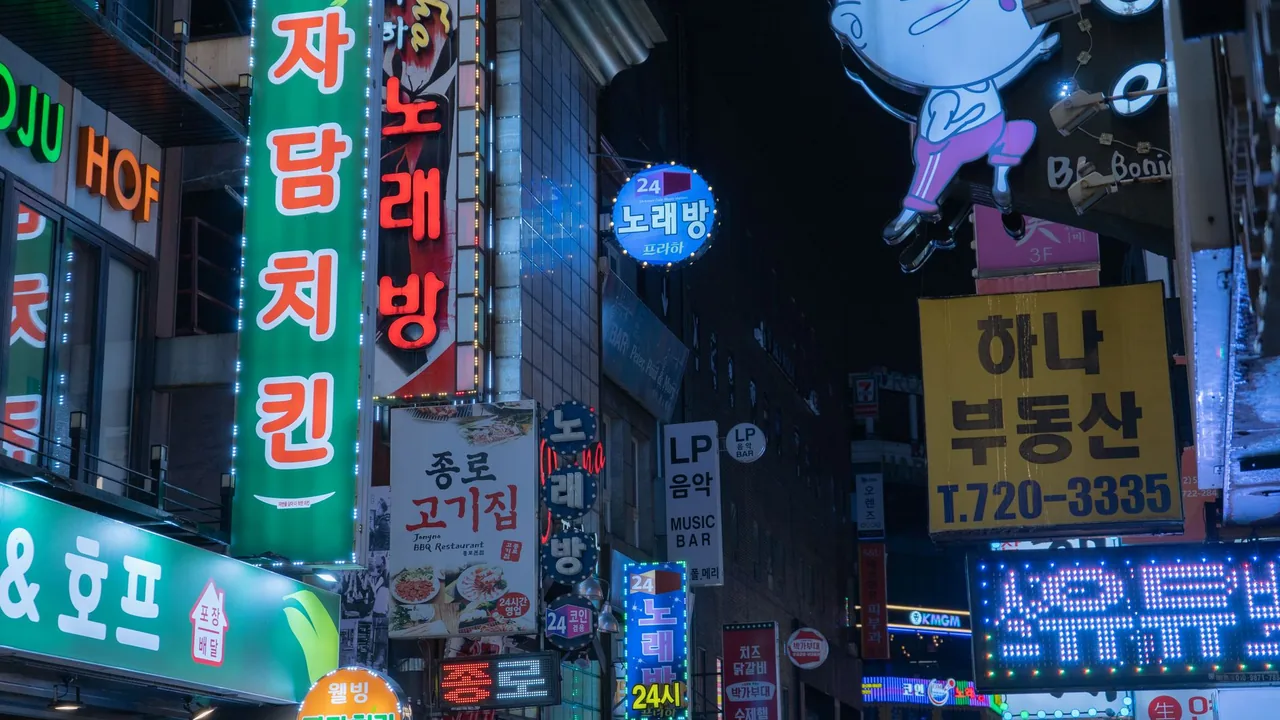
# Gangnam Luxury Guide 2026: Where Seoul's Wealthy Shop and Eat
The Real Gangnam Isn't What You Think
You've heard the Psy song. You've seen the Instagram photos of neon-lit streets and celebrity sightings. But the actual Gangnam—the one where Seoul's billionaires, tech executives, and entertainment moguls actually spend money—operates on a completely different frequency. It's quieter, more selective, and deliberately harder to find than the Instagram-bait luxury you'll stumble into on your first visit. This guide takes you where the money actually goes.
Gangnam's Luxury Map: Cheongdam vs Apgujeong vs Dosan
Gangnam isn't one neighborhood—it's a collection of distinct luxury districts, each with its own clientele, price point, and vibe. Understanding these differences is your first real advantage.
This is the celebrity hub and the most recognizable name globally. Apgujeong Rodeo Street is where K-pop idols are spotted, where flagship stores for luxury brands compete for foot traffic, and where you'll pay premium prices just for the address. It's genuine luxury, but it's also known luxury—everyone here is shopping. Think of it as Seoul's version of Rodeo Drive: exclusive, expensive, and crowded with people trying to be there.
Located just east of Apgujeong, Cheongdam is where old money quietly operates. The streets are wider, quieter, and lined with ultra-high-end boutiques that don't advertise heavily. This is where you find generations-old wealth—the wives of conglomerates, retired executives, and families whose names you wouldn't recognize but whose net worth is astronomical. Cheongdam restaurants require reservations weeks in advance, and many won't accept walk-ins regardless of your appearance or credentials.
The newest power player. Dosan Daero (the main avenue) has exploded in the last three years as younger billionaires—startup founders, entertainment company CEOs, real estate moguls—have made it their base. It's Apgujeong's energy with Cheongdam's sophistication. This is where innovation meets tradition in the luxury space, and prices reflect the shifting economic power toward younger, tech-connected wealth.
5 Neighborhoods Where Seoul's Wealthy Actually Spend Money
Where: Cheongdam-dong, Gangnam-gu (Bundang line, Exit 5) What you'll find: Chef-driven, reservation-only restaurants where the price is intentionally hidden until you ask.
Specific spot — Restaurant Yu: This is a 12-seat omakase experience run by Chef Yu Sae-rim. Expect to spend ₩450,000–₩600,000 (USD $340–$450) per person for a 2-hour experience. The fish is flown in from Japan's Toyosu Market daily. Walk-ins: impossible. Reservation window: 3 months in advance (through their Korean website only).
Practical note: When you call to book, you'll be asked about dietary restrictions and flavor preferences. Be honest—these chefs customize the experience. Dress code is business casual at minimum; jeans or sneakers will get you a polite decline.
Where: Apgujeong-ro, Gangnam-gu (Sinbundang line, Exit 5) What you'll find: Flagship stores and exclusive boutiques, from LVMH brands to Korean luxury labels.
Specific spots:
- Chanel Boutique (Apgujeong Flagship): New collection drops happen here 48 hours before other Korean locations. A classic Chanel bag (2.55 or Jumbo) runs ₩5.8–₩7.2 million ($4,300–$5,400). Staff recognize regulars and will hold pieces.
- Chuu Headquarters: The Korean luxury womenswear brand's flagship (larger than their Seoul Station location) showcases seasonal collections. Pieces range ₩800,000–₩3.2 million ($600–$2,400). VIP members get 15% off and early access to sales.
- Kirsh Studio: Korean streetwear-meets-luxury hybrid. Expect ₩250,000–₩800,000 ($190–$600) for signature pieces.
Where: Dosan-daero, Gangnam-gu (Bundang line, Exit 5) What you'll find: Newer establishments with celebrity chef backing and tech-forward service (digital wine lists, iPad ordering).
Specific spot — Mosu: A contemporary Korean restaurant blending molecular techniques with traditional banchan. ₩280,000–₩380,000 ($210–$285) per person for a 15-course tasting. Opened 2024; now has a 2-month waiting list. The owner previously worked under Michelin-starred chefs in Copenhagen. Wine pairings add ₩150,000 ($110).
Practical note: This crowd is younger, more casual about dress code, but punctuality is sacred—arrive 5 minutes late and they'll give your table away.
Where: Nonhyeon-ro, Gangnam-gu (Gangnam line, Exit 6) What you'll find: Ultra-luxury residential towers, golf clubs, and private membership restaurants hidden inside apartment complexes.
Specific spot — The Lounge at Gangnam Landmark: A rooftop bar + lounge accessible only to apartment residents and their invited guests (or hotel guests from the attached five-star property). A single-malt whisky runs ₩80,000–₩200,000 ($60–$150). The view of Seoul's skyline is unobstructed for 50 kilometers. Service is white-glove; staff learn regular residents' drink preferences.
Where: Tangentially Gangnam adjacent (technically Gangbuk), but Seoul's wealthiest use it as their "everyday" shopping street. What you'll find: Independent luxury boutiques, quiet cafes, and restaurants where no one's performing for Instagram.
Specific spot — Cafe de Flore Seoul: Not the Paris version—this is a luxury cafe concept where a single espresso is ₩12,000 ($9), but the beans are roasted in-house daily from single-origin lots. A pastry-and-coffee experience costs ₩35,000–₩50,000 ($26–$38). Locals call it the "invisible luxury" spot because it doesn't advertise.
8 Essential Etiquette Rules for Gangnam Luxury Spaces
- Dress code matters, even if unwritten. Sneakers, even luxury ones, signal "tourist" in high-end restaurants. Wear leather shoes, dark jeans, and a blazer minimum. Gangnam wealth dresses down, but always with intention.
- Reservations are non-negotiable. Walk-ins to fine dining in Cheongdam or Dosan are politely turned away 95% of the time. Even if staff says "maybe in 2 hours," they mean it literally—expect a 2-hour wait or a table by the kitchen bathroom.
- Payment is handled with discretion. You won't be handed a bill loudly or left waiting. Korean luxury service anticipates your need. When you signal (usually just making eye contact), the card machine appears within 90 seconds. Never place cash on the table—hand it directly to the server.
- Tipping is culturally absent but "service charges" are embedded. Most restaurants add 10–15% service charge to your bill automatically. Tipping extra (even 5%) is seen as slightly condescending—the service fee is meant to be sufficient.
- Phone use is nearly invisible in high-end dining. Take photos of food if you must (locals do), but don't take calls. If you must answer, step outside. Wi-Fi and phone charging are provided discretely; ask your server where the outlet is.
- Know the Korean luxury vocabulary. "VIP" (브이아이피) and "member" (회원) are actual status categories. If you're neither, be honest about it. Staff respect directness more than assumed familiarity.
- Seasonal menus aren't suggestions—they're law. Asking for "off-menu" items at high-end Korean restaurants is seen as questioning the chef's judgment. Trust their seasonal curation or choose a different restaurant.
- Alcohol customs are real. If you're dining in a group, pouring drinks for others (never yourself) shows respect. At bars, say "건배" ("gun-bae," cheers) before drinking and don't drink ahead of the oldest/highest-ranking person present. This is less rigid in younger Dosan spots but still noticed.
- Never ask for a discount or mention prices publicly. Haggling or mentioning cost marks you as an outsider. Luxury pricing in Seoul is fixed; there's no negotiation.
- Arrive early, never late. Seoul's wealthy operate on strict time schedules. Being 10 minutes late to a restaurant reservation may result in your table being released. For shopping appointments or VIP events, arrive 5–10 minutes early.
FAQ: Your Gangnam Luxury Questions Answered
Q: What's the actual minimum budget for a luxury Gangnam experience? A: You can enter the ecosystem at ₩100,000–₩200,000 ($75–$150) per meal at mid-tier Apgujeong restaurants, or ₩50,000–₩80,000 ($38–$60) for luxury cafes. However, true fine dining (Cheongdam omakase, Dosan tasting menus) requires ₩400,000+ ($300+) per person. For shopping, you can browse free, but expect entry-level luxury pieces (bags, shoes) at ₩2–₩4 million ($1,500–$3,000). Gangnam luxury is a spectrum; pick your level.
Q: Do I need to speak Korean to be treated well in luxury spaces? A: No, but it helps significantly. English-speaking staff exist in flagship stores and major restaurants, but they'll direct you to specific hosts. Learning basic phrases ("예약했어요" — "I have a reservation"; "감사합니다" — "thank you") earns immediate respect. Younger establishments (Dosan restaurants, newer boutiques) have better English. Cheongdam old-money spots may have limited English; this is partly intentional gatekeeping.
Q: How do I book reservations at restaurants with no visible online system? A: Call the restaurant directly (many publish numbers only on their Korean website or Instagram). Or use Korean reservation apps like Catch Table (캐치테이블) or Naver Table (네이버 테이블). For truly exclusive spots, ask your hotel concierge or a local friend. Some restaurants only accept reservations from previous customers. This isn't malice—it's how they control the experience.
Q: What's the best time to visit Gangnam for fewer crowds? A: Weekday mornings (10 a.m.–1 p.m., Tuesday–Thursday) are quietest for shopping. For dining, avoid Friday and Saturday nights—locals dine Tuesday–Thursday. December 20–January 10 is quieter overall as Seoul's wealthy travel abroad. Summer (July–August) sees increased tourist crowds and longer wait times.
Q: Can foreigners access "members only" clubs or restaurants? A: Most luxury restaurants aren't strictly members-only, but high-end golf clubs and private lounges (like Nonhyeon residential lounges) are. Hotels can sometimes arrange guest access. For restaurants, having a Korean friend introduce you accelerates acceptance, but it's not required—you just need a reservation and proper presentation. Cold walk-ins at members-only spaces will be declined.
Q: What's the exchange rate advantage vs. other luxury cities? A: Seoul luxury is 15–25% cheaper than comparable experiences in Tokyo, Hong Kong, or Singapore. A ₩500,000 omakase experience ($375) would cost $480–$550 in Tokyo. This price advantage is a secret Seoul hasn't widely advertised, making 2026 an optimal time to experience Gangnam's luxury scene before word spreads and prices adjust.
Final Insight: Why Gangnam's Luxury Matters
Gangnam's wealth isn't about displaying status—it's about having access. The best restaurants, exclusive shops, and private clubs operate on the principle that real money doesn't need to advertise. Your job as a visitor is to understand the code, respect the boundaries, and enter as a participant, not a spectator.
Start with Apgujeong if you want the full sensory experience. Graduate to Cheongdam when you're ready to eat where Seoul's old money eats. And pay attention to Dosan—the future of Korean luxury is being written there right now by a new generation of billionaires who think differently about what luxury means.
Ready to dive deeper into Seoul's hidden luxury ecosystem? Explore our full local picks for Gangnam or ask the KORLENS AI chat for Gangnam shopping and dining suggestions. It is an AI assistant that replies in seconds, not a human team, and it works from Korea Tourism Organization open data.
Next Step
About this guide
KORLENS is run by one person (KunStudio, a solo studio in Korea), not an editorial team. Guides are AI drafts based on public sources; some use Korea Tourism Organization TourAPI open data. KORLENS does not claim on-site visits or scheduled re-checks, so confirm hours, prices and closures with the venue before you go. Page last edited: 2026-05-21.
Plan your Korea trip with the KORLENS AI chat
Got a follow-up question after reading this? Ask the KORLENS AI chat in plain English. It is an AI assistant, not a person, and it replies in seconds with places from Korea Tourism Organization open data.
Ask the KORLENS AI chatTry the Korean skincare products mentioned in this guide
Olive Young Global — free international shipping over $60, ships to 150+ countries.
Shop Olive Young GlobalCurious about Korean Saju? Try sajuapp.app
1,000-year-old Korean astrology, decoded by AI — available in 9 languages.
Is it worth visiting, the best time to go, crowds and real cost.
Best time to visit Seoul, month by month →Itaewon Guide for Foreigners 2026: Where to Eat, Drink, Stay
Itaewon's reinvented itself. Skip the tourist traps and hit the real spots where locals actually spend money. This is your insider's map.
Seoul Running and Walking Courses Along the Han River (2026)
Skip the crowded Gangnam streets. Seoul's Han River bicycle path offers 40+ km of free, world-class running routes locals actually use. Here's where to go.