Itaewon Guide for Foreigners 2026: Where to Eat, Drink, Stay
Itaewon's reinvented itself. Skip the tourist traps and hit the real spots where locals actually spend money. This is your insider's map.
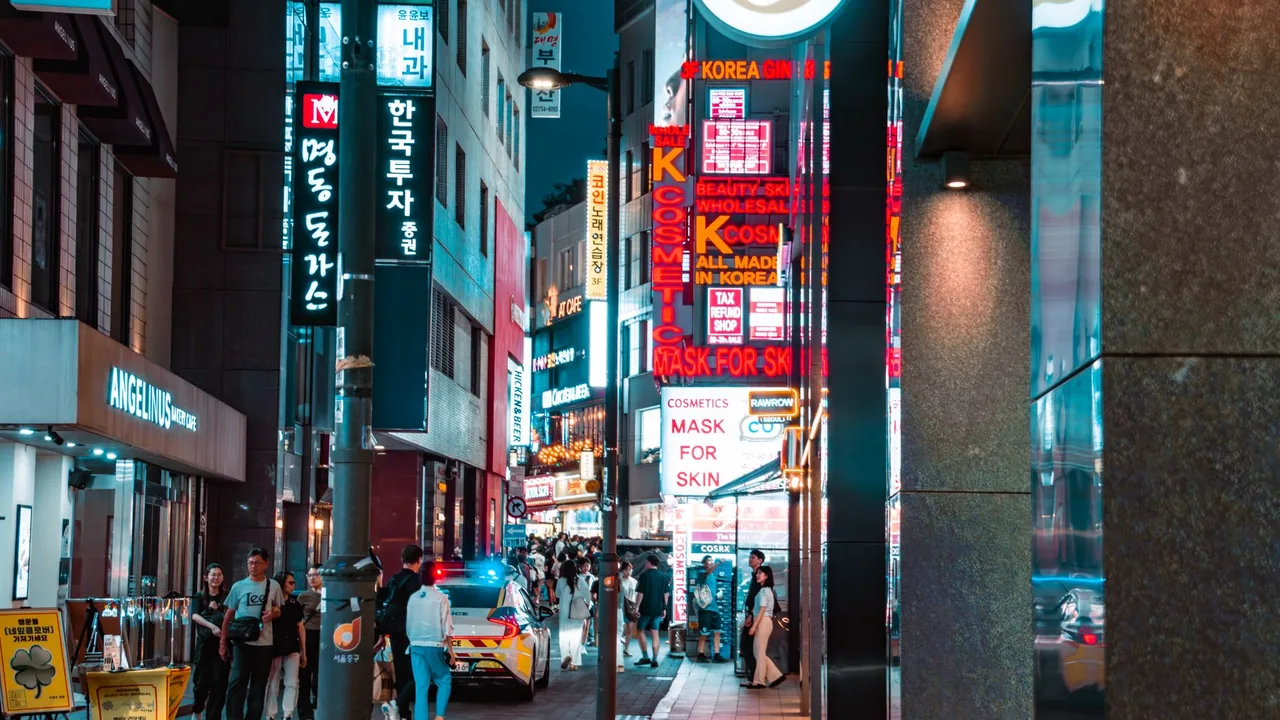
# Itaewon Guide for Foreigners 2026: Where to Eat, Drink, Stay
Itaewon isn't what you think it is anymore—and that's the point. Once Korea's playground for expats seeking Western comfort, the neighborhood has undergone a quiet but decisive reinvention. Today's Itaewon mixes Korean culinary innovation with genuine international flavor, where you'll find 20-something Korean creatives rubbing shoulders with digital nomads. The itaewon street neon still glows, but it's illuminating something more interesting than it did five years ago.
What Changed in Itaewon: 2024-2026
The shift is structural. Korean chains have quietly muscled out some of the tired Western bistros that once dominated. That's not a complaint—it's the reality of Seoul's market. What stayed? The openness. The English signage. The fact that a server will probably speak enough English to get you fed.
What's genuinely new: craft coffee roasters run by Korean specialists who trained in Melbourne or Copenhagen. Korean-fusion fine dining that takes your palate seriously instead of just capitalizing on "fusion" as a buzzword. Better cocktail bars—places that actually know how to make a Negroni, which sounds basic until you've had five bad ones in a row.
The red-light district aspect still exists, but the neighborhood's geographic center has shifted slightly south and east. The streets around Gyeongbokgung Station (Line 6) now house more concept restaurants and gallery spaces. This matters because it means you can spend a day in Itaewon without accidentally walking into anything uncomfortable.
Where to Eat, Drink, and Stay: Specific Neighborhoods
The vibe: Controlled chaos. Tourist-aware but not entirely touristy.
Where to eat: Hamilton's Steakhouse remains a staple (beef bulgogi set: ₩38,000-48,000). New arrival Loco's Tacos offers legit al pastor (taco: ₩4,500-6,500), run by a Korean chef who spent three years in Mexico City. Pro move: eat standing at the counter if lines form.
Where to drink: Craftworks Taphouse (beer from ₩8,000) sits above the street noise. Not Instagram bait, but solid pours and owners who actually care about fermentation.
Where to stay: Hotel Skypark Myeongdong (from ₩120,000/night) is a 10-minute walk and significantly quieter. Not luxury, but clean and English-friendly.
The vibe: Where Korean millennials come to eat. Quieter. More Korean.
Where to eat: Soi (Thai-Korean fusion, mains ₩16,000-22,000) is worth the hunt through narrow alleys. Their pad thai uses gochujang; it shouldn't work, but it does. Ojin Kalguksu (handmade knife-cut noodles, ₩9,500) has a 15-year reputation built on two things: broth and consistency.
Where to drink: Common Ground Coffee Lab (cappuccino ₩5,800) serves excellent single-origin pours. Seating is tight, but the espresso machine is meticulous.
Where to stay: Gesthome Itaewon (from ₩90,000/night) is run by a Korean woman who's lived in Berlin for 12 years. The aesthetic reflects it. Small, thoughtful, no corporate blandness.
The vibe: Residential. Authentic Korean drinking culture mixed with foreigners who've actually settled here.
Where to eat: Akaoni (Japanese curry rice, ₩10,500-13,000) has a 30-year history. The pork cutlet curry is legitimately transcendent. Sukhumvit 51 (Korean-Thai fusion, ₩14,000-18,000) does khao soi that tastes like Bangkok but uses Korean rice.
Where to drink: Magpie Brewery (craft beer ₩7,500-9,500) is where you'll meet people who actually live in Seoul. No posturing. Sit at the bar. Talk to the bartender.
Where to stay: RYSE Itaewon (from ₩150,000/night) is newer, minimal design, includes breakfast from a Korean kitchen. Best for longer stays (7+ nights get 15% off).
The vibe: Upscale-casual. Serious restaurant culture. Less foreigner-focused.
Where to eat: Balwoo Gongyang (Buddhist temple cuisine, set menu ₩50,000-80,000) is Michelin-acknowledged without being precious. Vegetable forward, flavor-intense, meditative. Maison Kitsune Cafe (matcha latte ₩8,500) doubles as a lifestyle shop; the matcha is from Uji.
Where to drink: Bar Prima (cocktails ₩15,000-18,000) requires finding a nondescript door. This is intentional. The bartender won't over-explain, but everything tastes intentional.
Where to stay: Hannam Boutique Hotel (from ₩160,000/night) is design-forward without Instagram-bait aesthetics. Wood finishes, warm lighting, quiet corridors.
The vibe: Where the neighborhood actually becomes neon. Intentional nightlife.
Where to eat: Late-night Jjolmae Hoagie (Korean-Italian hoagies, ₩8,500-10,500) serves until midnight. Locals come here after clubs close elsewhere.
Where to drink: Gecko's Garage (beer, whiskey ₩7,000-15,000) is below street level. Real rock bar, not themed. Owner is an actual musician. Craftroom (cocktails ₩16,000-20,000) mixes without ego; sit and watch.
The vibe: Authentic Korean drinking. Ajummas, office workers, zero English menus.
Where to eat: Myeonchi Kimbap (kimbap ₩4,500-6,000) is order-at-counter, eat-standing, 40-year institution. Haejin Jjim (steamed pork ₩28,000) is where Korean construction crews come at lunch.
Where to drink: The Pojangmacha (street tent bars, beer ₩3,500-4,500) operate evenings only. This is genuine Seoul. Come with confidence but no expectations about English.
The vibe: Quiet, historical, overlooked.
Where to eat: Cafe Luna (all-day breakfast ₩11,000-14,000) is near the cemetery gates. Egg-forward menu, serious coffee.
Where to drink: Walk here at sunset. Sunset Point Rooftop Bar (₩3,000-5,000 beers) is where Itaewon residents go when they want to leave Itaewon.
Etiquette & Practical Tips
- Cash is still real. Bring at least ₩50,000. Many small restaurants don't accept cards. ATMs are everywhere—look for "Koreanbank" signs.
- Don't assume English. At popular tourist spots, yes. At authentic Korean restaurants, probably not. Google Translate camera function is your friend; use it without shame.
- Tipping is not expected and often confusing. Rounding up the bill is nice but not obligatory. No one will chase you down.
- Taxi drivers may not speak English. Show your destination on Naver Map (not Google Maps—Naver is more accurate in Korea). Screenshot it.
- Subway Line 6 is your lifeline. It circles the city. If you're in Itaewon, you're on Line 6. Memorize Itaewon Station (Line 6) and Noksapyeong Station (Line 6) as anchors.
- Restaurants fill up 7-8 PM on weekends. Go earlier (5:30-6:30 PM) or later (9:00+ PM). Middle slots often have waits of 30+ minutes.
- Alcohol laws exist. You cannot drink alcohol outside of bars/restaurants after midnight (technically 10 PM for certain zones). Convenience store beer is fine until you're outside.
- Respect the neon's schedule. Peak nightlife hours are 10 PM-2 AM. Before 9 PM, you're in a different neighborhood.
- Photography in bars is sometimes not welcome. Ask first, especially in small spaces. Flash is always bad form.
- Street food vendors operate on their own schedule. If they're not there, they're not there. No customer service number to call. Come back tomorrow.
FAQ
Q: Is Itaewon safe at night?
A: Yes, comparatively very safe. The main Itaewon-ro strip has street lighting and constant foot traffic. Noksapyeong and Hannam are quieter but still well-lit. Use normal city judgment—don't flash expensive cameras, don't get visibly wasted alone. Violent crime is extraordinarily rare. What is common: overly pushy bar touts and overpriced tourist traps. Walk past the former, avoid the latter.
Q: What's the best night to visit?
A: Thursdays and Fridays are crowded but lively. Saturdays are peak madness. If you want atmosphere without shoulder-to-shoulder crowds, come Wednesday or Sunday. Tuesday is genuinely quiet—many places close or run skeleton crews.
Q: Can I use my phone/credit card from home?
A: Yes. 4G/5G coverage is excellent. Most establishments now accept international cards, though cash is still safer for small places. Enable roaming or get a Korean SIM (₩20,000-40,000 from any convenience store, includes data).
Q: How far is Itaewon from other Seoul neighborhoods?
A: Gangnam: 20-30 minutes via subway. Hongdae: 25 minutes. Myeongdong: 10 minutes on foot. Bukchon Hanok Village: 15 minutes. This is good—you can day-trip from Itaewon and return for evening drinks.
Q: What's the dress code?
A: Casual for 90% of places. Sneakers and jeans work almost everywhere. For cocktail bars and upscale restaurants, "neat casual" (clean jeans, nice shirt, no holes or logos). Dress codes are not explicitly enforced the way they are in the West; this is more about respectfulness than rules.
Q: Can vegetarians/vegans eat well here?
A: Better than you'd expect. Balwoo Gongyang (mentioned above) is temple cuisine. Korean restaurants often have vegetable banchan (side dishes). Thai restaurants (Soi, Sukhumvit 51) have clear vegetarian options. Communicate clearly—write it down or use your phone translator. Korean food has hidden animal broths sometimes; ask directly.
Your Next Move
Itaewon works because it exists in the gap between Seoul's extremes: global enough to feel accessible, Korean enough to stay real. The itaewon street neon isn't a museum piece; it's where a neighborhood actually happens.
Start with Gyeongbokgung-ro for lunch, hit Noksapyeong for evening drinks, and only wander the main strip after 10 PM if you want nightlife. Bring cash. Ask questions. Get lost in Hannam-dong's alleys intentionally.
Ready to go deeper? Check out our Local Picks for Seoul Dining or ask the KORLENS AI chat about specific dietary needs or neighborhoods nearby. It is an AI assistant that replies in seconds, not a human team, and it works from Korea Tourism Organization open data.
Next Step
About this guide
KORLENS is run by one person (KunStudio, a solo studio in Korea), not an editorial team. Guides are AI drafts based on public sources; some use Korea Tourism Organization TourAPI open data. KORLENS does not claim on-site visits or scheduled re-checks, so confirm hours, prices and closures with the venue before you go. Page last edited: 2026-05-21.
Plan your Korea trip with the KORLENS AI chat
Got a follow-up question after reading this? Ask the KORLENS AI chat in plain English. It is an AI assistant, not a person, and it replies in seconds with places from Korea Tourism Organization open data.
Ask the KORLENS AI chatCurious about Korean Saju? Try sajuapp.app
1,000-year-old Korean astrology, decoded by AI — available in 9 languages.
Is it worth visiting, the best time to go, crowds and real cost.
Best time to visit Seoul, month by month →Seoul Running and Walking Courses Along the Han River (2026)
Skip the crowded Gangnam streets. Seoul's Han River bicycle path offers 40+ km of free, world-class running routes locals actually use. Here's where to go.
Solo Female Travel in Seoul: 2026 Safety + Practical Guide
Seoul is safer than most Western capitals—but solo female travelers need to know local norms, transport etiquette, and which neighborhoods actually suit your st