Seoul Running and Walking Courses Along the Han River (2026)
Skip the crowded Gangnam streets. Seoul's Han River bicycle path offers 40+ km of free, world-class running routes locals actually use. Here's where to go.
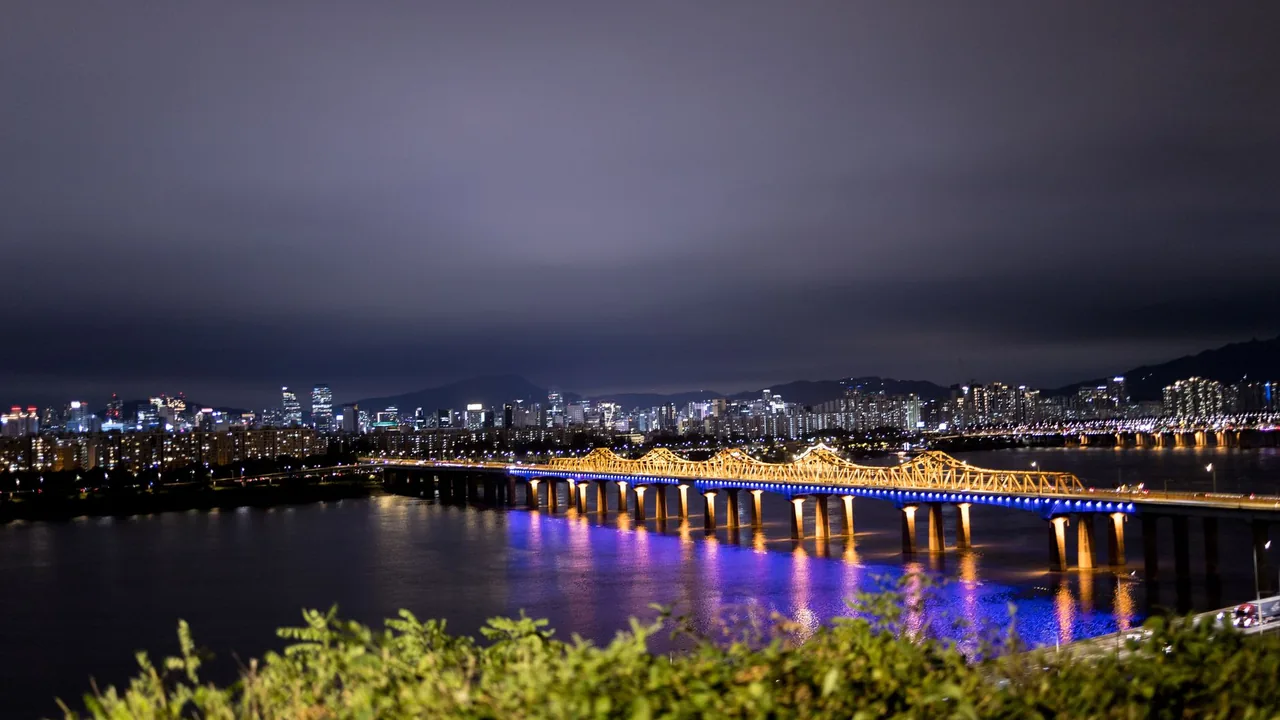
Stop Running on Treadmills. The Han River is Calling.
Most Seoul visitors spend their time jogging around packed gym chains or dodging scooters in Gangnam. What they're missing: a 40-kilometer ribbon of riverside parkland that doubles as one of Asia's most underrated running destinations. The Han River bicycle path isn't new, but in 2026, it's more accessible, better maintained, and far less crowded than Seoul's gym-obsessed reputation suggests. You don't need a guide or special permit—just shoes, sunscreen, and the insider knowledge of where locals actually run.
Why the Han River Is Seoul's Best (and Most Underused) Public Asset
Seoul is vertical. Apartments stack toward the sky. Streets grid upward into hills. But the Han River runs horizontally through it all—a 494-kilometer artery that cuts through the city's eastern sprawl like a lifeline.
Here's what makes it special: it's completely free, legally open to the public 24/7, and maintained by Seoul Metro's Parks and Recreation Division. The bicycle paths run parallel to the river itself, meaning you get unobstructed water views, fresh air, and minimal vehicle noise. Unlike Namsan or Seokchon, there's no entrance fee. Unlike neighborhood parks, you won't hit a dead end after 2 kilometers.
Most crucially—locals use it. You'll see ajummas (older Korean women) power-walking in coordinated tracksuits, office workers doing lunch-hour 5Ks, and serious runners grinding out 20-kilometer loops. The infrastructure isn't trendy; it's utilitarian. That's exactly why it works.
The Han River bicycle path system includes dedicated running lanes, rest areas with water fountains, riverside cafés, and rental stations. But the real secret? The path avoids the tourist infrastructure entirely. You won't find Instagram signs or souvenir shops. You'll find Koreans living their actual lives.
5 Specific Spots to Run or Walk—with Real Details
Distance: 6.2 km loop | Parking: ₩2,000/hour (weekdays), ₩2,500/hour (weekends) | Best for: Beginners, families
Yeouido is your obvious first stop. It's the most developed section of the Han River park system, and it shows—wide paved paths, ample seating, multiple water fountains. The loop circles an island in the middle of the Han, giving you continuous water views without navigating neighborhood streets.
Start at the main entrance near Yeouido Station (Line 5, Exit 2). You'll immediately hit the north path, which hugs the river's edge. On weekends, you'll share the space with hundreds of others, but the path is wide enough to feel uncrowded. The southern loop (opposite bank) is quieter.
Café culture here is real. About halfway through the southern loop, you'll find a cluster of riverside cafés charging ₩5,000–₩8,000 for cold brew. Stop, refuel, then finish. The path is flat and well-lit for evening runs—locals run here until 10 PM regularly.
Distance: 4.5 km one-way to Ichon Park | Parking: Free (Banpo Park lot, fills by 10 AM) | Best for: Longer runners, photography stops
Banpo is where the Han River becomes cinematic. The Banpo Bridge's "moonlight rainbow fountain" (operating daily May–October, 8–9 PM and weekends) attracts tourists, but the park itself remains runner-friendly. The paths here are newer (resurfaced in 2024) and feature dedicated running lanes separated from bicycle traffic.
The real move: start at Banpo Park, run eastward toward Ichon Park (4.5 km), then continue to Hangang Park proper (another 3 km). You've now strung together a 7–8 km run with minimal backtracking. Parking at Banpo is free but competitive. Arrive before 9:30 AM on weekends or use nearby subway parking (₩1,000/10 minutes).
Water stations appear every 800 meters. The path surface is mixed—some asphalt, some rubber, some concrete—so bring shoes with moderate cushioning, not track flats.
Distance: 8.3 km via entire park | Parking: ₩2,000/hour | Best for: Intermediate runners, tempo work
Ichon attracts Seoul's serious fitness crowd. The paths here slope slightly, which means hill work without the mountains. It's also more sheltered by surrounding trees—in summer, shade is gold, and Ichon delivers.
There are three main entry points: Ichon Station (Line 6, Exit 4), the riverside café cluster (north side), or the parking lot near the Hangang Park complex. If you're doing speedwork, the flatter section between the 200m and 500m markers (north side) is your friend. Consistent width, minimal foot traffic, and perfect for tempo runs.
Local runners often start here early (5:30–6:30 AM) to beat heat and crowds. You'll see training groups doing organized sessions. The vibe is athletic without being exclusive—bring your own pace and fit in.
Post-run, there's a GS25 convenience store 300m from the main path entrance. Grab a ₩3,500 iced coffee and stretch on the riverfront benches.
Distance: 7.1 km loop | Parking: Free | Best for: Long runs, quieter routes, cyclists
Move east, away from tourist zones. Gwangnaru sits in Songpa-gu, where the Han curves and widens. The park feels less developed, which is the entire appeal—you're on legitimate runner territory here.
This loop is quieter than Yeouido, longer than Banpo, and features the most natural riverside sections. Trees are denser. Foot traffic is lighter. Parking is free but limited to a small lot near the main entrance. Best accessed via Gwangnaru Station (Line 5, Exit 3), which puts you 200m from the path.
The path surface here is older asphalt, so consider this a distance run rather than a speed session. Bring more water—fewer vendors, though there are two café stops along the way (₩6,000–₩8,000 for drinks). This is where you'll see serious cyclists training, so stay left and be visible.
Distance: 6.8 km loop | Parking: ₩2,000/hour | Best for: Scenic runs, evening pace work
Jamsil, directly across from Lotte World, offers the Han's most dramatic skyline views. The Lotte World Tower, Seoul's tallest building, frames the entire eastern section. For sunset runs (6:30–8 PM, spring/summer), this is unmatched.
The park has two distinct halves: the north bank (flatter, wider paths, more crowded) and the south bank (more undulating, quieter, tree-lined). Most runners hit the north loop for consistency, but cross the Seokchon Bridge to explore south. You've added 2 km and cut crowds by half.
Jamsil Station (Line 2, Exit 2) connects directly. Parking fills on weekends—arrive by 8:30 AM or use subway. The park includes rental stations for bicycles (₩2,000–₩3,000/hour) and scooters, but you're here to run, not rent.
Water and facilities are robust—this is Seoul's most visitor-friendly Han Park. Use that infrastructure wisely; the crowds that come with it are real.
8 Practical Tips: How to Actually Run the Han River Without Issues
- Know the seasonal peaks. April–May and September–October are prime seasons. Temperatures are moderate, humidity is manageable, and crowds are manageable. July–August is brutal heat (often 35°C+). December–February is frozen and slippery. Plan accordingly.
- Use subway parking, not street spots. Each major entry point (Yeouido, Banpo, Ichon, Gwangnaru, Jamsil) has nearby subway stations with dedicated parking. ₩1,000–₩1,500 for 10 minutes beats hunting for street spots. Park, exit, run—simple.
- Bring a hydration strategy. Water fountains exist, but they're spaced 1–2 km apart, and in summer, some are shut off during off-peak hours. Carry a small bottle or use running vests with pockets. Convenience stores (GS25, CU, Emart24) are never more than 1 km away; grab bottled water for ₩2,500–₩3,500.
- Run with earbuds low or off. The paths are shared with cyclists and other runners. Seoul is a city where courtesy is expected. Keep volume down, use hand signals when passing, and stay right except when overtaking.
- Sunscreen is non-negotiable. Seoul's UV index rivals Mediterranean climates. Apply SPF 50+ before your run, even on cloudy days. Koreans take skin protection seriously; so should you. Many local runners wear arm sleeves and face masks in summer—not for privacy, but for sun protection.
- Download the Han River Park app. Seoul Metro's official app (Hangang Park Guide) shows real-time facility status, weather, and crowding levels. Available in Korean and English. It's free and invaluable.
- Run early or after 7 PM in summer. Mornings (5:30–7 AM) are cooler, less crowded, and the light is beautiful. Evenings after 7 PM are similarly quiet and cool. Midday runs (11 AM–6 PM) in July–August are dangerous—heatstroke is real.
- Respect the cycling paths. The Han River bicycle path is exactly that—designed for cyclists first, runners second. Stay in running lanes where marked. Don't block the path for photo ops. Cyclists here are often serious, and they have the right of way.
- Don't run solo late at night. While the parks are technically open 24/7, foot traffic drops significantly after 10 PM. The paths are lit, but running with others or during daylight hours is safer and more aligned with local norms.
- Bring a small towel and change of clothes. Most parks lack shower facilities. You'll return to your car or the subway sweaty. A microfiber towel packs small, weighs nothing, and prevents you from fouling public transit (locals will judge harshly).
Frequently Asked Questions
Yes. The paths are well-lit, heavily trafficked by locals (especially mornings and early evenings), and regularly patrolled by park security. Seoul's crime rate in parks is extremely low. That said, avoid very late night hours (after midnight) and run with a phone. Mornings and early evenings are optimal.
The Han River paths mix asphalt, rubber, and concrete. Rubber sections (newer installations, especially at Banpo and Ichon) are gentlest on joints. Asphalt is standard but varies in age—older sections at Gwangnaru are rougher. Newer shoes with good cushioning (not racing flats) are wise. If you have knee issues, stick to Banpo and Ichon's rubber sections.
Yes, but on-leash only. Designated dog parks exist within some Han River parks (Yeouido and Jamsil have them). Off-leash running is not permitted and heavily fined (₩100,000+). Local runners respect this strictly, and so should you.
Not reliably. Yeouido and Jamsil have basic restroom facilities, but no showers. Most runners carry a change of clothes and use their car or head home. Some nearby gyms (Yeouido has several) offer shower access for ₩10,000–₩15,000 if you need post-run facilities.
Weekday mornings (Tuesday–Thursday, 5:30–7 AM) are quietest. Weekends are consistently crowded, especially 8–10 AM and 5–7 PM. Rainy days empty the paths significantly. If you prefer solitude, skip sunny weekends and hit weekday mornings or post-sunset slots (7–9 PM, when light remains but foot traffic drops 60%).
No. The path is shared infrastructure. While cyclists have priority in some sections, runners, walkers, and casual users are welcome everywhere. Dedicated running lanes exist at larger parks (Yeouido, Banpo, Ichon). Respect the space, stay aware, and you're fine.
The Takeaway: Your Han River Runs Await
You came to Seoul for the energy, the food, the neon-lit nights. But if you're serious about fitness or just need space to think, the Han River delivers what most cities can't: free, legal, consistently maintained running infrastructure without the typical urban trade-offs.
Start at Yeouido if you're new to Seoul running. Progress to Ichon or Banpo if you want more distance and fewer crowds. Graduate to Gwangnaru when you're ready for real solitude. The Han River bicycle path system isn't a trendy fitness destination—it's where Seoul actually moves.
Pick a spot, check the weather, bring sunscreen, and run. The river will be there. So will the locals.
---
Ready to explore more Seoul's best-kept secrets? Check out our Local Pick guides for insider recommendations beyond the river, or ask the KORLENS AI chat for Seoul running and walking suggestions. It is an AI assistant that replies in seconds, not a human team, and it works from Korea Tourism Organization open data.
Next Step
About this guide
KORLENS is run by one person (KunStudio, a solo studio in Korea), not an editorial team. Guides are AI drafts based on public sources; some use Korea Tourism Organization TourAPI open data. KORLENS does not claim on-site visits or scheduled re-checks, so confirm hours, prices and closures with the venue before you go. Page last edited: 2026-05-21.
Plan your Korea trip with the KORLENS AI chat
Got a follow-up question after reading this? Ask the KORLENS AI chat in plain English. It is an AI assistant, not a person, and it replies in seconds with places from Korea Tourism Organization open data.
Ask the KORLENS AI chatCurious about Korean Saju? Try sajuapp.app
1,000-year-old Korean astrology, decoded by AI — available in 9 languages.
Is it worth visiting, the best time to go, crowds and real cost.
Best time to visit Seoul, month by month →Solo Female Travel in Seoul: 2026 Safety + Practical Guide
Seoul is safer than most Western capitals—but solo female travelers need to know local norms, transport etiquette, and which neighborhoods actually suit your st
Seoul Rainy Day Itinerary: 15 Things to Do Indoors (2026)
Forget the umbrella struggle. Here are 15 indoor activities to actually enjoy Seoul's rainy days—from hidden cafés to world-class museums.