Best Neighborhoods to Stay in Seoul for Foreigners (2026 Guide)
Skip the tourist traps. Our insider guide maps Seoul's best neighborhoods for 2026, with real prices, subway access, and why each district actually works for yo
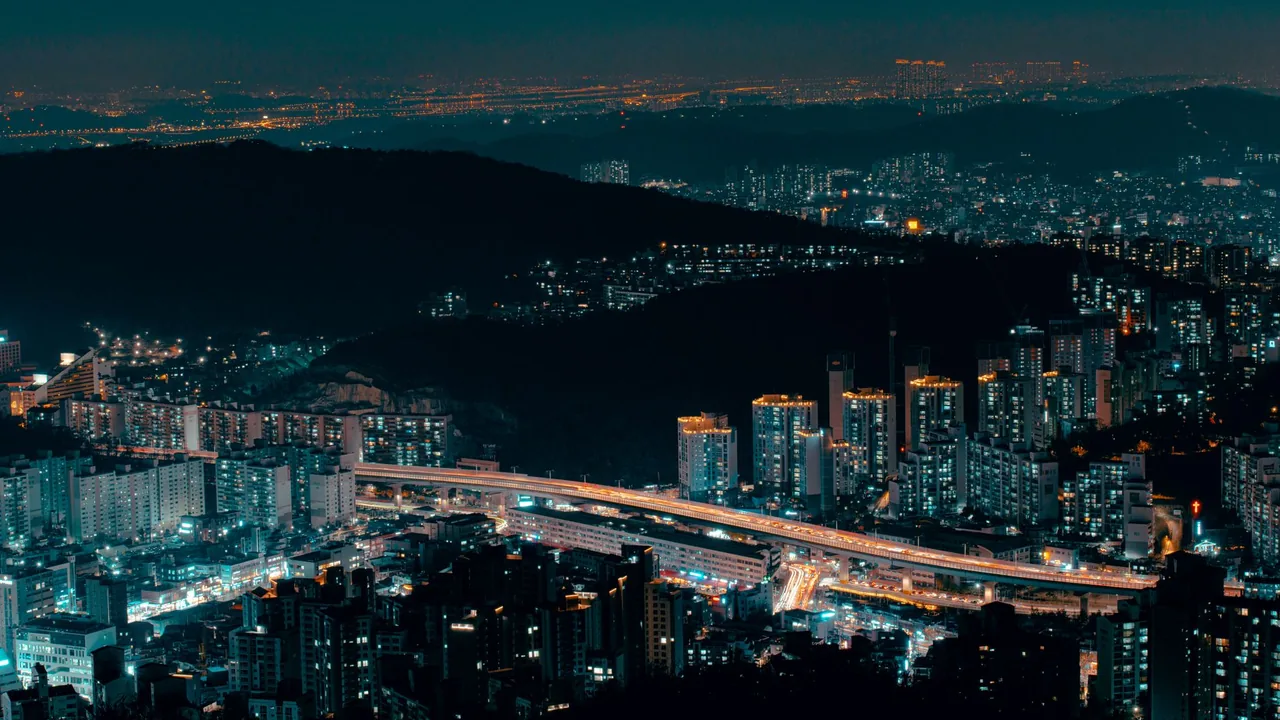
Stop Choosing Seoul Neighborhoods by Instagram Photos
Most first-time visitors land in Seoul and immediately book Myeongdong or Gangnam because they've seen them on social media. What they don't realize: you'll pay 40% more, deal with constant crowds, and miss the actual Seoul where locals eat, work, and live. The neighborhood you pick isn't just where you sleep—it shapes your entire experience. Choose wisely, and you'll have Subway access to anywhere, authentic food, and genuine street culture. Choose wrong, and you're trapped in a tourist bubble paying premium won for mediocre guesthouses.
Here's what actually works for foreign travelers.
---
Match Your Trip Purpose First
Before we drop neighborhood names, ask yourself:
- Are you here for nightlife and shopping? (Gangnam, Hongdae)
- Do you want culture, temples, and quieter vibes? (Jongno-gu, Bukchon)
- Budget-conscious and want street food? (Itaewon, Hongik University)
- Business traveler needing central location? (Gangnam, Jung-gu)
- Backpacker energy with young crowds? (Hongdae, Sinchon)
Your answer narrows down the real options. Seoul has 25 districts—most don't serve foreigners well because English signage is sparse and locals stick to their own rhythms. We've filtered to neighborhoods where you can actually function, eat well, and experience Seoul authentically.
---
The 6 Best Neighborhoods for Foreigners in Seoul (2026)
Best for: Young travelers, creatives, nightlife, street art
Vibe: Think Brooklyn meets Seoul. Hongdae is perpetually buzzing with university students, indie cafes, art galleries, and late-night bars. You'll find murals, street buskers, vintage shops, and some of Korea's best craft beer spots.
Price range: Budget guesthouse (₩35,000–₩50,000/night), mid-range Airbnb (₩70,000–₩100,000), boutique hotels (₩120,000–₩180,000)
Subway access: Line 2 (Hongik University Station, Exit 9). Direct line to Myeongdong, Gangnam, Jongno.
Real talk: Fridays and Saturdays are absolute madness—bars overflow into streets until 3 AM. If you need quiet, avoid weekends. Weekday mornings are peaceful and ideal for exploring the art scene.
Eat here: Hongdae Freestyle Market (street food at night), Coffee Smith (coffee culture), countless ramen joints under ₩8,000.
---
Best for: Shopping addicts, Instagram moments, nightlife, convenience
Vibe: Expensive. Polished. The neighborhood you've probably seen on Netflix. COEX mall, designer stores, luxury restaurants, noraebang (karaoke) on every block. Locals here are wealthier and younger.
Price range: Budget (₩45,000–₩60,000), mid-range (₩90,000–₩140,000), luxury (₩200,000+)
Subway access: Lines 2, 7, 8—excellent connectivity. Gangnam Station is the hub.
Real talk: You pay premium prices for convenience and English-friendly service. The "Gangnam Style" you know exists here, but it's expensive. Good if you want predictability; bad if you want to discover Seoul.
Eat here: Michelin-starred restaurants (₩80,000+), conveyor belt sushi (₩3,000–₩5,000 per plate), café culture everywhere.
---
Best for: History buffs, culture seekers, temple visits, traditional Korea
Vibe: The historical heart of Seoul. Gyeongbokgung Palace, Bukchon Hanok Village, traditional tea houses, and temples. Streets are narrow and atmospheric. Older demographic, slower pace, but absolutely walkable.
Price range: Budget guesthouse (₩30,000–₩45,000), mid-range (₩65,000–₩95,000), heritage hotels (₩110,000–₩160,000)
Subway access: Lines 1, 3, 5 converge here. Jongno 3-ga Station is central.
Real talk: English signage is thinner here than in Gangnam, but that's part of the charm. This is Seoul before modernization, and it's invaluable. Avoid during Korean holidays (Chuseok, Lunar New Year) when it gets packed with domestic tourists.
Eat here: Traditional Korean restaurants (₩9,000–₩15,000), street tteokbokki (₩4,000), hanok-style cafes.
---
Best for: Expats, diverse cuisine, multicultural vibes, English speakers
Vibe: Seoul's most international neighborhood. Halal restaurants, vintage shops, craft cocktail bars, expat hangouts. It's a cultural crossroads—Thai, Indian, Lebanese, American food all coexist. English is widely spoken.
Price range: Budget (₩40,000–₩55,000), mid-range (₩75,000–₩110,000), upscale (₩130,000–₩180,000)
Subway access: Line 6 (Itaewon Station). 20 minutes to Gangnam, 15 to Myeongdong.
Real talk: Itaewon has gentrified significantly since 2020. Rents are rising, and some of the grit is disappearing. Still, it's the easiest neighborhood for English-speaking foreigners. If you're overwhelmed by language barriers elsewhere, Itaewon removes that friction.
Eat here: Turkish kebab (₩8,000–₩12,000), Vietnamese pho (₩7,000–₩10,000), Vatos taco truck (₩6,000–₩9,000), craft cocktails (₩12,000–₩18,000).
---
Best for: Budget travelers, young backpackers, affordable eats, student energy
Vibe: Younger sibling to Hongdae. Home to Yonsei and Ewha universities, so it's packed with students, cheap food, vintage shops, and late-night drinking culture. Less polished than Hongdae, more authentic to actual Seoul university life.
Price range: Budget guesthouse (₩30,000–₩45,000), Airbnb (₩60,000–₩85,000), boutique (₩100,000–₩140,000)
Subway access: Line 2 (Sinchon Station). One stop west of Hongdae.
Real talk: It's grittier and louder than Hongdae, especially at night. If you want backpacker energy on a tight budget, this is your spot. Weeknight prices drop significantly if you negotiate directly with guesthouses.
Eat here: Gimbap kimbap (₩3,500–₩5,000), street tteokbokki (₩3,500), pojangmacha (street tent bars with soju for ₩15,000 total for two people).
---
Best for: First-timers, shopping, convenience, English signage
Vibe: Seoul's Times Square. Duty-free shops, luxury malls, street food, crowds. Yes, it's touristy. Yes, prices are inflated. But if you're arriving jet-lagged and overwhelmed, Myeongdong removes uncertainty. English everywhere, familiar chains, easy to navigate.
Price range: Mid-range (₩80,000–₩120,000), upscale (₩140,000–₩200,000+)
Subway access: Lines 4, 2 (Myeongdong Station). Central location for day trips anywhere in Seoul.
Real talk: Stay here only 2-3 nights max. It's a base, not a real neighborhood. After adjusting to Seoul, move to one of the above spots and experience the real city. Myeongdong is where you stock up on skincare and snacks, not where you live authentically.
Eat here: Tourist-trap restaurants (₩15,000–₩25,000), but also legit Korean chains like Myeong Dong Kalguksu (₩8,000).
---
9 Practical Etiquette & Survival Tips
- Download Naver Map or Kakao Map immediately. Google Maps works but misses alleys, smaller restaurants, and real-time subway info. These apps are essential.
- Get a T-money card at any convenience store (₩2,500). Load cash or link a card. It works on subways, buses, and most cafes. Don't fumble with coins; it slows everyone down.
- Learn basic Korean phrases: "안녕하세요" (annyeonghaseyo—hello), "감사합니다" (gamsahamnida—thank you), "얼마예요?" (eolmayeyo—how much?). Locals warm up instantly when you try. English speakers are fewer in smaller neighborhoods than you expect.
- Respect quiet hours (10 PM–8 AM). Airbnb hosts and guesthouses take noise seriously. Drunk shouting at 2 AM will get you reported or evicted. Seoul respects order.
- Eat at pojangmacha (street tent bars) only if you're confident in food safety. Most are perfectly fine; hygiene is generally good. But stick to busy stalls with high turnover if you're risk-averse. Cooked food is safer than raw.
- Never tip in Korea. It's insulting. Prices are final. If you tip, staff will chase you down confused, thinking you made a mistake. Don't do it.
- Public transit closes around midnight. Plan your night accordingly. After-hours taxis are expensive (₩5,000 base + meter). Stay in neighborhoods with nightlife clusters if you're a night owl.
- Avoid Gangnam if you're solo and female at very late hours. Seoul is safe overall, but Gangnam's nightlife attracts rowdy crowds. Hongdae and Itaewon are more mixed and foreigner-friendly after dark.
- Always ask permission before photographing people or small businesses. "사진 괜찮을까요?" (photo gwaenchanhsseulkkayo?—is it okay if I take a photo?). Respect goes a long way in earning authentic Seoul moments.
---
FAQ: Neighborhood Questions Answered
Q: Which neighborhood is cheapest for budget travelers?
A: Sinchon edges out Hongdae slightly. You'll find guesthouses at ₩30,000–₩40,000 regularly. The catch: Sinchon is louder and grittier. Jongno-gu is also affordable (₩30,000–₩45,000) and quieter, perfect if you don't need nightlife. Both have subway access and excellent street food under ₩5,000 per meal.
Q: Is it safe to walk around at night alone?
A: Yes, Seoul is generally very safe. Hongdae, Gangnam, Itaewon, and Jongno-gu all have visible foot traffic and security cameras everywhere. Avoid deserted alleys, and trust your instincts like anywhere. The biggest risk isn't crime—it's getting lost because street signs aren't always in English.
Q: How far are neighborhoods from Incheon Airport?
A: Airport Railroad takes 43 minutes to Seoul Station (₩9,000). From there: Myeongdong (5 min subway), Jongno (3 min), Hongdae (20 min), Gangnam (15 min), Itaewon (10 min). Most neighborhoods are 40–60 minutes from the airport. Budget ₩50,000–₩70,000 for a direct airport taxi if you want convenience on arrival.
Q: Which neighborhood has the best food scene?
A: Hongdae for trendy cafes and craft beer. Jongno for traditional Korean food. Gangnam for fine dining. Itaewon for international cuisine. Sinchon for cheap, authentic student food. There's no single "best"—it depends on what you want. But honestly, every Seoul neighborhood has incredible food within 100 meters of where you stand.
Q: Can I negotiate prices at guesthouses?
A: Yes, especially in Sinchon and Hongdae, and especially for multi-night stays (3+ nights). Don't expect massive discounts, but 5–10% off is common if you ask directly. Airbnb prices are fixed. Booking.com gives leverage to negotiate because they show you competitive rates.
Q: Which neighborhood is best if I'm visiting for business?
A: Gangnam or central Jung-gu (near Seoul Station). Both have excellent hotels, reliable English service, proximity to business districts, and professional atmospheres. Gangnam is flashier and pricier; Jung-gu is more efficient and central. Neither is "fun," but that's not the goal.
---
Your Next Move
You now have the insider framework to choose the right neighborhood. But Seoul changes fast—new restaurants open, old ones close, prices shift, and vibes evolve. If you want hyper-current insights, neighborhood-specific itineraries, or help booking your exact stay, explore the Seoul Local Pick guide, a paid guide to 10 Seoul neighborhoods and food spots.
Ask the KORLENS AI chat for Seoul neighborhood and place suggestions based on your interests. It is an AI assistant that replies in seconds, not a human team, and it works from Korea Tourism Organization open data.
The neighborhood you pick changes everything. Choose the one that fits you, not Instagram. Seoul is waiting.
Next Step
About this guide
KORLENS is run by one person (KunStudio, a solo studio in Korea), not an editorial team. Guides are AI drafts based on public sources; some use Korea Tourism Organization TourAPI open data. KORLENS does not claim on-site visits or scheduled re-checks, so confirm hours, prices and closures with the venue before you go. Page last edited: 2026-05-19.
Plan your Korea trip with the KORLENS AI chat
Got a follow-up question after reading this? Ask the KORLENS AI chat in plain English. It is an AI assistant, not a person, and it replies in seconds with places from Korea Tourism Organization open data.
Ask the KORLENS AI chatCurious about Korean Saju? Try sajuapp.app
1,000-year-old Korean astrology, decoded by AI — available in 9 languages.
Is it worth visiting, the best time to go, crowds and real cost.
Best time to visit Seoul, month by month →Seoul Subway Guide for Foreigners (2026): Fares, Apps, Etiquette
Navigate Seoul's subway like a local. Master T-money cards, real fares, Line 2 secrets, and unwritten etiquette rules that'll save you time and embarrassment.
Seoul Cherry Blossom 2026: Best Spots and Exact Timing
Skip the crowds at Yeouido. Local insiders know Seoul's cherry blossoms peak at different times across neighborhoods—here's your exact 2026 timing and hidden ge