Seoul 3-Day Itinerary for First-Time Visitors (2026)
Skip the generic palace tours. This insider 3-day Seoul itinerary balances royal history, cutting-edge tech districts, and neighborhood food culture—with real p
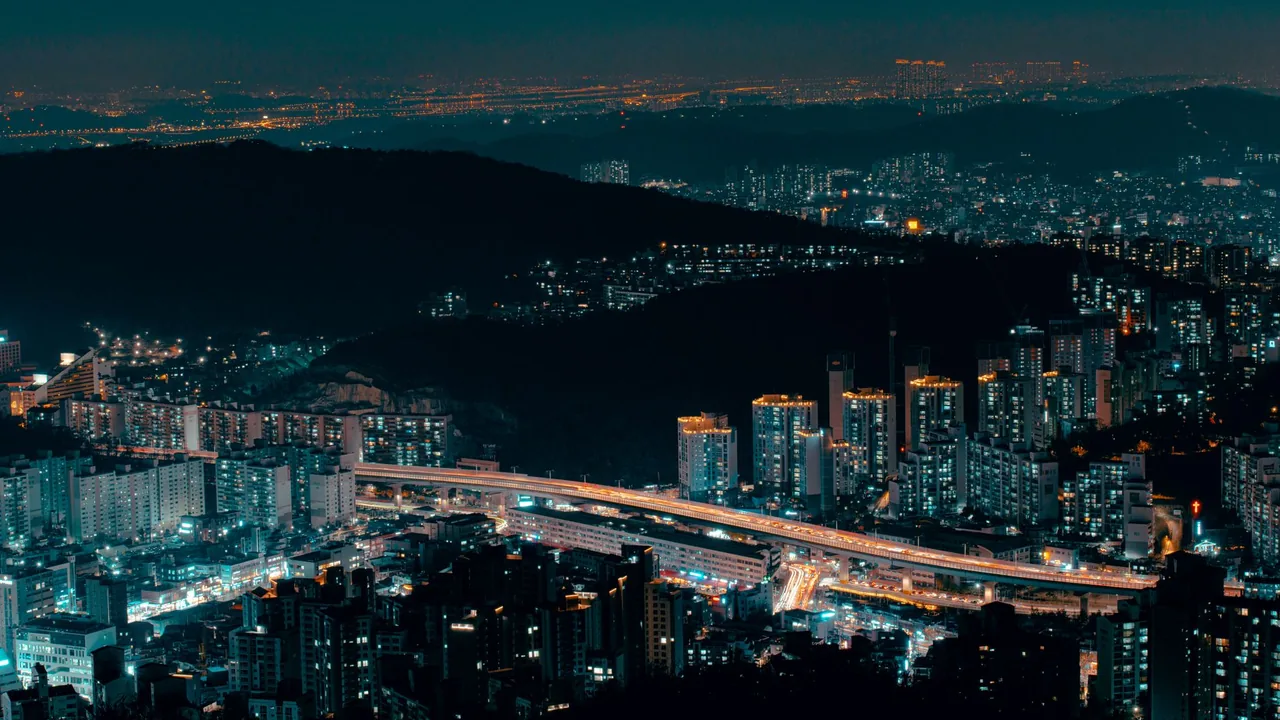
# Seoul 3-Day Itinerary for First-Time Visitors (2026)
Most guidebooks tell you to see all five palaces and hit the N Seoul Tower. Forget that. What they don't tell you is that palace fatigue is real—and you'll miss the actual Seoul that locals navigate every day: the underground shopping networks, the rooftop bars with impossible skyline views, and the neighborhood alleyways where you find real Korean food, not Instagram bait. This 3-day itinerary is built on a simple philosophy: depth over breadth. You'll walk through palaces, yes, but you'll also understand why they matter. You'll see the Seoul skyline from Gwanghwamun and beyond. And you'll eat like someone who's lived here for three months, not three days.
Day 1: Palaces & The Political Heart (Jongno-gu)
Morning: Gyeongbokgung Palace & the Seoul Skyline from Gwanghwamun
Start at Gyeongbokgung Palace at 9 AM—before the tour groups arrive. Entry is ₩3,000 (about USD $2.25). This is the largest of Seoul's palaces and the symbolic heart of the Joseon Dynasty. Don't just walk through; rent an audio guide (₩1,000) and actually listen. The architecture tells a story about power, cosmology, and water flow.
After 90 minutes inside, exit and walk directly north to Gwanghwamun Square. This is where you get that Seoul skyline shot—the one with the palace in the foreground and the modern city bleeding into the horizon behind it. The Seoul skyline from Gwanghwamun captures Seoul's entire identity in one frame: old meeting new, vertically stacked, uncompromising. Take your time here. Photographers know this spot for a reason.
Afternoon: Insadong & Street Food Education
Head south to Insadong, a traditional Korean art and antique neighborhood that somehow hasn't been completely gentrified. Walk the main street first, but then veer into the side alleys. This is where real galleries, secondhand bookshops, and family-run restaurants hide.
Lunch recommendation: Find a standalone tteokbokki (spicy rice cake) shop—not a chain. A typical bowl runs ₩4,000-₩6,000 and tastes nothing like the frozen versions you've had. If you see "Insadong Sujebi," it's a local institution (₩8,000 for a huge bowl of hand-torn noodle soup).
Spend 2-3 hours here simply wandering. Buy nothing. Just observe how Koreans move through old space.
Evening: Bukchon Hanok Village & Dinner
Bukchon is the neighborhood where you'll see reconstructed hanok (traditional wooden houses) still serving as homes, restaurants, and galleries. The streets are narrow and designed for walking slowly. This is where you slow down.
Dinner: Find a dakgangjeung restaurant (braised chicken) in one of the side alleys. ₩12,000-₩15,000 per person gets you a full meal with 5-7 banchan (side dishes). Ask locals. They'll point you somewhere real.
Day 2: Modern Seoul & the Tech/Design District (Gangnam & Mapo)
Morning: Myeongdong (Skip the Shopping, Find the Food)
Everyone tells you to shop in Myeongdong. Don't. Instead, get there early (8:30 AM) and grab breakfast at a gimbap kimbap shop. ₩3,500 for a roll with seaweed, rice, and vegetables. The real move: eat standing up at the counter with office workers heading to their jobs.
Walk through Myeongdong just once to see it. Then leave.
Mid-Morning: Seoul Station & Seoul Square (Underrated Skyline View)
Seoul Station isn't just a transport hub—it's architecture. Walk through the newly renovated spaces. Then head to Seoul Square (the massive modern building adjacent to the station). Go to the upper-level observation areas (free access). The Seoul skyline from here is less postcard-perfect than Gwanghwamun, but it's more true. It shows the density, the layering, the actual scale of the city.
Afternoon: Gangnam (The Real One, Not the Song)
Take the subway to Gangnam Station. Yes, the neighborhood is expensive and commercialized. But it's also where Seoul's future is being built—and where you'll understand why Seoul became a design capital. Walk Apgujeong-ro and the side streets. Browse the furniture and tech stores (free entertainment).
Coffee stop: Any ddaegi (independent coffee shop) here runs ₩5,000-₩7,000 per cup and treats coffee like an art form.
Evening: Hongik University Area (Hongdae) & Street Art
Take the subway to Hongik University Station. This neighborhood is where Seoul's younger creative class lives and works. Street art, vintage shops, small galleries, and restaurants run by chefs who trained abroad.
Dinner: Find a kalguksu (knife-cut noodle soup) spot. ₩9,000-₩12,000. Or try a craft brewery—Seoul has a legitimate craft beer scene now (₩6,000-₩9,000 per beer).
Wander Hongdae for 2-3 hours. The vibe here is fundamentally different from Bukchon.
Day 3: Hidden Neighborhoods & Local Life (Seongsu, Yongsan)
Morning: Seongsu-dong (Where Seoul Actually Works)
This is a neighborhood most tourists never mention. It's an old industrial area being quietly transformed by young professionals, architects, and designers. The aesthetic is deliberately underdone—exposed brick, minimal interiors, independent bookstores, and jeong (the untranslatable Korean concept of emotional connection).
Breakfast: Line up at a hodugwaja shop (red bean pastry). ₩2,500 for warm, fresh ones. Or find a tiny kalguksu place for ₩8,000.
Wander the alleys. You'll see Seoul's future here—not as tourist infrastructure, but as actual city-building.
Mid-Morning: Seongsu Cafe Culture
Seongsu has more quality-focused cafes per capita than anywhere in Seoul. Spend an hour at one (₩5,500 for a pour-over or specialty latte). This is where you'll sit next to architects on their laptops, artists reviewing portfolios, and people who move through Seoul with intention.
Afternoon: Yongsan Electronics Market (Optional—Only If Interested)
If you're tech-curious, Yongsan's underground electronics district is still mind-bending—rows of vendors selling everything from components to cameras. Prices are good, but this is for explorers only. Not essential for a 3-day trip.
Otherwise: Return to a neighborhood you liked on Day 1 or 2. Revisit. Sit. Eat again. This is how you actually understand a city.
Evening: Last Meal & Skyline Reflection
Choose a rooftop bar with a Seoul skyline view (not N Seoul Tower—too touristy). Bars like Proof or Owl's Eye in Gangnam or Itaewon run ₩12,000-₩18,000 per cocktail, but the view is part of the price. Alternatively, find a pojangmacha (street tent restaurant) and eat tteokbokki and hotteok (sweet pancakes, ₩2,000-₩3,000) while looking at the city lights reflecting off the Han River.
---
5-7 Specific Neighborhoods & Prices Summary
- Jongno-gu (Palaces & Art): Gyeongbokgung Palace ₩3,000 | Insadong lunch ₩5,000-₩10,000 | Bukchon dinner ₩12,000-₩18,000
- Myeongdong: Breakfast ₩3,500 | Coffee ₩4,500
- Gangnam: Coffee ₩6,000 | Dinner ₩15,000-₩20,000
- Hongdae: Lunch ₩8,000-₩12,000 | Beer ₩6,000-₩9,000
- Seongsu: Breakfast ₩2,500-₩8,000 | Specialty coffee ₩5,500 | Lunch ₩10,000-₩14,000
- Yongsan: Electronic prices vary widely; budget ₩50,000+ for quality purchases
- Rooftop bars (Gangnam/Itaewon): Cocktails ₩12,000-₩18,000
---
8 Essential Seoul Etiquette & Practical Tips
- Use subway cards, not cash for transit: Buy a T-money card at any convenience store (₩2,500 refundable deposit). Tap and ride. Much faster than tickets. Single ride is ₩1,250-₩2,450 depending on distance.
- Respect temple/palace entry rules: Wear closed shoes. Never photograph inside living temple spaces. At palaces, stay on marked paths—they're there for structural reasons, not decoration.
- Always ask before photographing people: This includes monks, elderly people, and children. Seoul is crowded; people are used to tourists, but politeness matters.
- Eat at counters, not alone at tables: Restaurants with counter seating move fast and cheaper. It's normal to eat next to strangers. You'll understand Seoul better this way.
- Bring your own cup to cafes: Many independent cafes offer ₩500-₩1,000 discounts if you bring a reusable cup. It's standard practice.
- Download Papago or Naver Papago app (not Google Translate): Korean nuance gets lost in Google. Papago is built for Korean-English specifically.
- Don't tip anyone: Tips are not customary in Korea. Tipping can actually be uncomfortable. Don't do it.
- Subway runs until midnight (some lines until 1 AM): Plan your evening accordingly. Night buses (blue lines) run after subway closes, but they're less reliable for first-timers. Better to eat dinner early and be back by 11 PM.
- Visit convenience stores for real meals: GS25, CU, and Emart24 sell fresh kimbap, tteokbokki, instant noodles, and drinks. ₩3,000-₩8,000. This is how locals eat on the go.
- Book accommodations in Jongno-gu or Jung-gu: Central, walkable, and you'll avoid long subway rides to main attractions. Airbnb rooms run ₩50,000-₩100,000/night; mid-range hotels ₩70,000-₩120,000/night.
---
FAQ
Q1: Can I see the Seoul skyline from Gwanghwamun at any time of day? Yes, but timing matters. Early morning (6-8 AM) gives you soft light without crowds. Late afternoon (4-6 PM) produces the postcard colors. Night is dramatic but requires a camera with good ISO performance. The best Seoul skyline views from Gwanghwamun happen when you're not expecting a view—just wandering through the square. Bring an ND filter if you're shooting; the sun here is intense.
Q2: Is it worth visiting all five palaces? No. Visit Gyeongbokgung (largest, most significant architecturally) and Changdeokgung (most beautiful gardens, Nakseonjae building is stunning). Skip the other three unless you have 5+ days. You'll get palace fatigue; better to spend that time understanding one neighborhood deeply than rushing through five palaces superficially.
Q3: How much should I budget for food daily? If you eat at street vendors and small restaurants: ₩25,000-₩35,000 per day (breakfast ₩4,000, lunch ₩9,000, dinner ₩12,000, snacks/coffee ₩5,000). Mid-range sit-down restaurants: ₩50,000-₩70,000 per day. Upscale dining: ₩100,000+. Street food and convenience stores are genuinely good quality—not cheap alternatives.
Q4: Do I need a Korea Rail Pass or T-money card? T-money card only. Forget the Korea Rail Pass; it's designed for multi-day intercity travel. For 3 days in Seoul, a T-money card (₩2,500 deposit) + daily reloads (₩50,000-₩100,000) is all you need. It works on subways, buses, and most convenience stores.
Q5: What's the best time to visit Seoul for first-timers? Spring (April-May) and fall (September-October). Winter is brutally cold (below freezing); summer is 30°C+ and humid. Spring has cherry blossoms (but crowds); fall has clear skies and perfect temperatures. Avoid August (peak heat and humidity) and January (extreme cold). May is ideal: warm, flowers are blooming, and crowds are manageable.
Q6: Can I visit palaces and Bukchon on the same day as planned? Yes, but you'll be tired. Palaces require 90-120 minutes inside. Bukchon (including walking, browsing, eating) takes 2-3 hours. If you start early (8:30 AM) and eat a light lunch, you can do both and still have energy for evening drinks. Wear comfortable shoes—you'll walk 15,000+ steps this day.
---
Close: Next Steps
This itinerary is a starting point, not a script. You'll encounter restaurants, alleys, and people that will pull you off-plan. Go with it. That's where Seoul actually happens—not in the guidebook, but in the moments between planned attractions.
Want more insider neighborhood recommendations or local restaurant tips? Check out our Local Pick guide for Seoul or ask the KORLENS AI chat for Seoul place suggestions based on your interests. It is an AI assistant that replies in seconds, not a human team, and it works from Korea Tourism Organization open data.
Have questions about Seoul's neighborhoods, food culture, or logistics? Read our deep-dive: "Seoul Neighborhoods Ranked: Where Real Locals Actually Live"
Good trip. Enjoy the Seoul skyline. It's one of the best in the world because it's real.
Next Step
About this guide
KORLENS is run by one person (KunStudio, a solo studio in Korea), not an editorial team. Guides are AI drafts based on public sources; some use Korea Tourism Organization TourAPI open data. KORLENS does not claim on-site visits or scheduled re-checks, so confirm hours, prices and closures with the venue before you go. Page last edited: 2026-05-19.
Plan your Korea trip with the KORLENS AI chat
Got a follow-up question after reading this? Ask the KORLENS AI chat in plain English. It is an AI assistant, not a person, and it replies in seconds with places from Korea Tourism Organization open data.
Ask the KORLENS AI chatCurious about Korean Saju? Try sajuapp.app
1,000-year-old Korean astrology, decoded by AI — available in 9 languages.
Is it worth visiting, the best time to go, crowds and real cost.
Best time to visit Seoul, month by month →Daegu Apple Festival and Traditional Medicine Market Guide
A traveler's guide to Daegu's two most distinctive experiences — the autumn Daegu Apple Festival and the 400-year-old Yangnyeongsi traditional medicine market.
Korean Spa (Jjimjilbang) Etiquette Guide for Foreigners
Everything foreigners need to know before visiting a Korean spa or jjimjilbang — what to wear, the bath protocol, sauna rules, what to eat, and which spas welco