Incheon Shopping Guide 2026: Best Districts and Markets
Skip Seoul crowds. Incheon's shopping districts offer authentic markets, lower prices, and insider deals. Here's where locals actually shop for fashion, food, a
# Incheon Shopping Guide 2026: Best Districts and Markets
Most travelers fly into Incheon International Airport, shop for an hour, then never return. That's exactly why you should spend a full day here. Incheon's shopping districts are cheaper than Seoul, less crowded than Myeongdong, and filled with locals who actually know where to find genuine deals. You won't find Instagram influencers in these markets—you'll find ajummas haggling over wholesale prices and university students hunting for steals.
Match Your Shopping Mission to Incheon Districts
Incheon isn't one shopping destination. It's scattered across districts ("gu"), and where you go depends entirely on what you're hunting for. A visitor chasing fast fashion needs different neighborhoods than someone after vintage finds or Korean cosmetics. This guide maps your mission to the right street.
The 7 Best Incheon Shopping Districts & Markets
Best for: Quick buys, casual wear, Korean beauty
Located directly beneath Incheon Station, this underground mall sprawls across four levels and connects to nearby department stores. You'll find chains like Uniqlo, Daiso, and dozens of Korean clothing boutiques. Prices start at ₩15,000 for basic tees and ₩8,000 for cosmetics. The key here is speed—it's designed for commuters, so foot traffic moves fast and promotions rotate weekly. Hit the beauty counters on Level B2 where smaller brands offer samples and bundle deals you won't find in Seoul branches.
Best time to visit: Early morning (9–10 AM) or late afternoon (5–6 PM) when staff are actively restocking.
Best for: Street food, vintage clothing, local eats
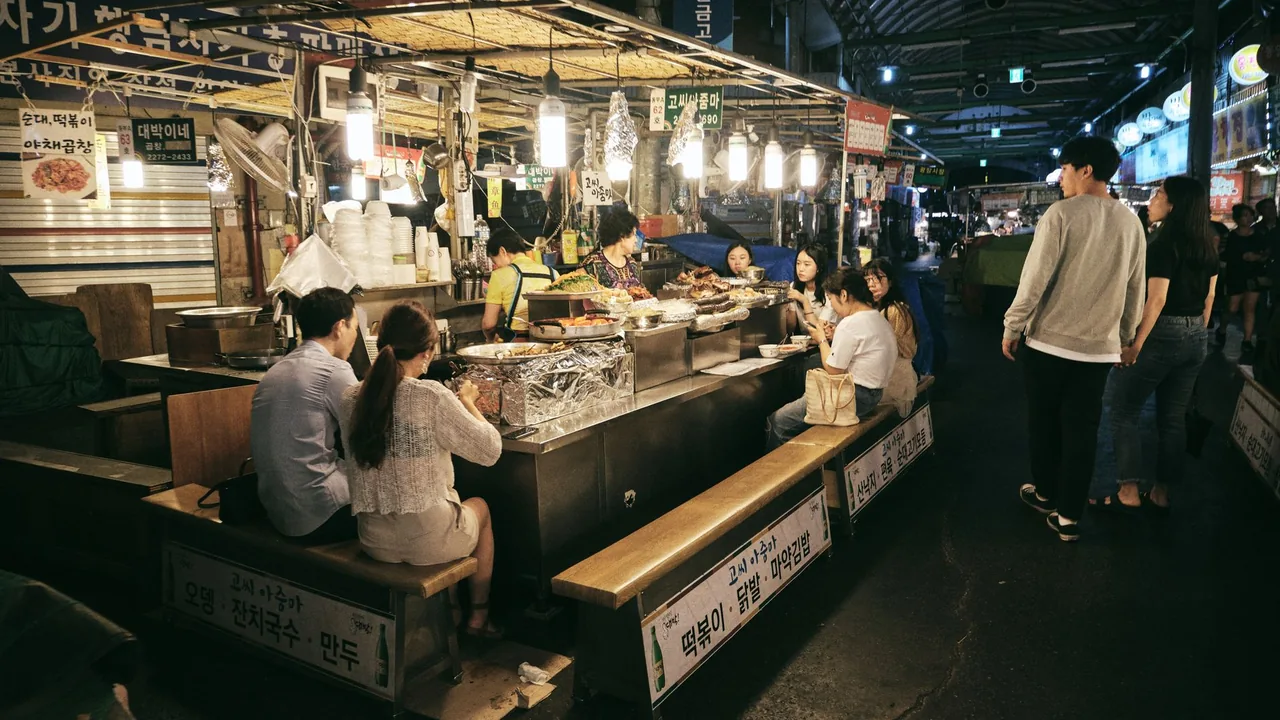
This is Incheon's soul. Shinpo Market has existed since 1906 and occupies six blocks of narrow alleys near Incheon Station. You're looking at vintage band tees (₩12,000–25,000), retro accessories, and Korean street snacks that taste nothing like the touristy versions. The takoyaki here costs ₩5,000 and is better than anywhere near Myeongdong. Clothing vendors are willing to negotiate if you're buying multiple items—expect 10-15% discounts if you ask politely in simple Korean or through a translation app.
The real treasure? Small vintage boutiques tucked into second-floor spaces. Owners are often collectors, not chain retailers, so inventory changes monthly. Arrive before 2 PM when the best pieces are still available.
Best for: Home décor, antiques, cultural souvenirs
Incheon's Chinatown stretches along about 200 meters of steep, winding streets. Beyond the tourist-facing restaurants, you'll find antique shops, home goods stores, and souvenir vendors who cater to locals. A ceramic tea set costs ₩35,000–60,000 depending on craftsmanship. Antique wooden chests run ₩150,000–400,000. This district moves slower than other markets, which means owners have time to talk—they'll explain provenance and negotiate seriously if you're genuinely interested.
Walk toward Jayu Park after shopping for vintage postcards (₩3,000–5,000 each) and folk art prints that actually feel authentic.
Best for: Textiles, fabrics, bulk goods, wholesale deals
This is where Incheon locals go, not tourists. Bupyeong Market is the city's largest traditional market with over 2,000 vendors. You'll find fabric stores selling Korean cotton at ₩8,000–15,000 per meter, wholesale cosmetics, and household items at 20-30% cheaper than retail chains. The atmosphere is pure market chaos—vendors calling out deals, scales weighing produce, haggling in full swing.
Go for textiles and fabrics (this district is known for them), not fashion. If you're searching for specific materials or bulk quantities, vendors will direct you personally and might offer "special prices" for larger orders. Bring cash; most stalls are cash-only.
Best for: Convenience, international brands, one-stop shopping
Incheon's major department stores aren't as experience-rich as traditional markets, but they're reliable. E-Mart (near Incheon Station) carries Korean beauty at prices slightly below Seoul (sheet masks ₩2,500–4,000, serums ₩25,000–45,000). Lotte Mall Incheon offers luxury brands at tax-free rates and frequent sales. These are your backup stops if weather is bad or you need air conditioning. Staff here speaks more English than market vendors, which helps if communication is a barrier.
Best for: Budget cosmetics, Korean snacks, gifts
Near Songdo Central Park, this cluster of stores specializes in K-beauty and imported Korean snacks. Prices are competitive (₩3,000–6,000 for popular sheet masks, ₩2,000–4,000 for instant noodles). It's not a traditional market—think modern convenience meets bulk shopping. Popular with Korean families stocking up before trips. You'll find local brands like Purito and Cos de Baha at lower markups than international retailers.
Best for: Vintage, secondhand, eclectic finds
A hidden gem that hosts seasonal pop-ups and permanent vintage vendors. Think secondhand designer bags (₩50,000–150,000), vintage jewelry, and one-of-a-kind pieces. Inventory is unpredictable, which is exactly why you should go. Vendors here are passionate collectors, not aggressive sellers. Budget time to wander and chat—these owners love when you show genuine interest in their finds.
8 Essential Incheon Shopping Etiquette & Practical Tips
- Bring cash. Most traditional markets don't accept cards. ATMs are scattered throughout, but lines can be long during peak hours (11 AM–2 PM). Withdraw ₩200,000–300,000 to avoid multiple trips.
- Learn these three phrases: "얼마예요?" (How much?), "깎아주세요" (Can you lower the price?), and "감사합니다" (Thank you). Vendors respond better to polite Korean, even broken Korean, than English requests.
- Haggle respectfully. Haggling is expected in traditional markets but not in department stores. Start by asking 10-15% off; settle around 5-10%. Don't haggle aggressively—this is about negotiation, not argument.
- Arrive early. Best inventory is available before 1 PM. After 3 PM, stalls start closing, and vendors are tired. Morning shoppers get first picks.
- Check quality immediately. Don't leave a vendor's stall without inspecting purchases carefully. Returns are rare, and disputes are handled by the vendor, not store policy. Look for loose threads, fading, and damage before paying.
- Use Google Maps offline. Download offline maps of shopping districts before visiting. Cell service is good, but maps help you navigate narrow alleys faster than asking for directions.
- Avoid large backpacks. Narrow market aisles and crowded spaces make big bags a liability. Bring a small crossbody bag or a tote you can fold. Many vendors also ask you to leave backpacks at the entrance during peak hours.
- Shop on weekdays if possible. Weekends (Saturday–Sunday) draw crowds that slow down browsing. Tuesday–Thursday are quiet. If weekends are your only option, shop before 11 AM.
- Ask about bulk discounts. Buying 3+ items of the same type? Ask "여러 개 사면 더 싸진 거 있어요?" (Is there a discount for buying multiple items?). Vendors often have tiered pricing.
- Wear comfortable shoes. You'll walk 3–5 km in a shopping day across uneven streets, market alleys, and multiple levels. Sneakers are non-negotiable.
FAQ: Incheon Shopping Questions Answered
Yes—roughly 10-20% cheaper for traditional market items like clothing, fabrics, and street food. Department store prices are similar, but markets and wholesale areas offer genuine deals. Haggling also saves money in ways Seoul's retail chains don't allow. The real savings come from skipping tourist-heavy areas entirely.
Tuesday through Thursday mornings (9–11 AM) are ideal. Weekdays are quieter, vendors are fresh, and inventory is full. Avoid Sundays when families flood markets, and avoid late afternoons when vendors pack up early. If you can only visit weekends, go very early (before 10 AM) to beat crowds.
Some larger stalls accept cards, but most traditional vendors are cash-only. Always ask before shopping. Subway stations, E-Mart, and Lotte Mall accept all payment methods. ATMs are plentiful but can have lines during lunch (12–1 PM) and evening (5–6 PM).
Many do, but don't count on it—maybe 30% of market stall owners speak conversational English. Younger vendors (under 35) are more likely to speak some English. Use a translation app like Google Translate or Papago for complex conversations. Learning basic Korean phrases goes a long way.
Markets close by 8 PM, and nighttime foot traffic is minimal afterward. Stick to daytime shopping (9 AM–6 PM). Incheon Station and surrounding areas are safe during the day but feel different after dark due to reduced crowds. If you're shopping near Chinatown, leave by 6 PM.
Visit Incheon if you want authentic markets, lower prices, and fewer tourists. Visit Seoul if you need luxury brands, international retailers, or specific K-beauty chains. Incheon works as a half-day trip from Seoul (30 minutes by subway) or a full day if you're flying in/out of Incheon Airport anyway.
Final Thoughts: Shop Like a Local
Incheon's shopping scene isn't Instagram-famous because locals have kept it real. You won't find minimalist aesthetic or luxury marketing—you'll find vendors who've run the same stalls for decades, shoppers haggling over fair prices, and genuine community spaces where shopping is a social activity, not a transaction.
Start at Shinpo Market for atmosphere and street food. Move to Bupyeong if you want volume and variety. Hit Chinatown for unique finds. And if you have time, explore the smaller vintage shops in the Free Market. The beauty of Incheon shopping is that it rewards wandering—the best deals and discovers happen when you get lost in alleys and talk to vendors about their stories.
Incheon Airport may be a transit point for most travelers, but the city itself deserves a shopping day. You'll leave with better finds, lighter wallet, and the insider knowledge that Korea's best markets aren't always in Seoul.
---
Ask the KORLENS AI chat for Incheon shopping suggestions based on your interests. It is an AI assistant that replies in seconds, not a human team, and it works from Korea Tourism Organization open data. Also visiting Seoul? Seoul Local Picks covers Seoul only.
Next Step
About this guide
KORLENS is run by one person (KunStudio, a solo studio in Korea), not an editorial team. Guides are AI drafts based on public sources; some use Korea Tourism Organization TourAPI open data. KORLENS does not claim on-site visits or scheduled re-checks, so confirm hours, prices and closures with the venue before you go. Page last edited: 2026-06-05.
Plan your Korea trip with the KORLENS AI chat
Got a follow-up question after reading this? Ask the KORLENS AI chat in plain English. It is an AI assistant, not a person, and it replies in seconds with places from Korea Tourism Organization open data.
Ask the KORLENS AI chatTry the Korean skincare products mentioned in this guide
Olive Young Global — free international shipping over $60, ships to 150+ countries.
Shop Olive Young GlobalCurious about Korean Saju? Try sajuapp.app
1,000-year-old Korean astrology, decoded by AI — available in 9 languages.
Is it worth visiting, the best time to go, crowds and real cost.
Incheon Cultural Landmarks in Half a Day (2026 Local Guide)
Skip the airport layover trap. Hit Incheon's best cultural landmarks in 4 hours with insider timing, real prices, and routes locals actually use.
12 Incheon Photography Spots for Instagram (2026 Local Picks)
Skip the tourist crowds. Discover where Incheon locals actually shoot—from hidden waterfront gems to urban decay aesthetics that rival Seoul's best.