Incheon Night Markets and Late-Night Eats (2026 Guide)
Skip Seoul's crowded night markets. Incheon's late-night food scene delivers authentic street eats, lower prices, and actual locals—not tour groups. Your 2026 i
# Incheon Night Markets and Late-Night Eats (2026 Guide)
The Real Talk
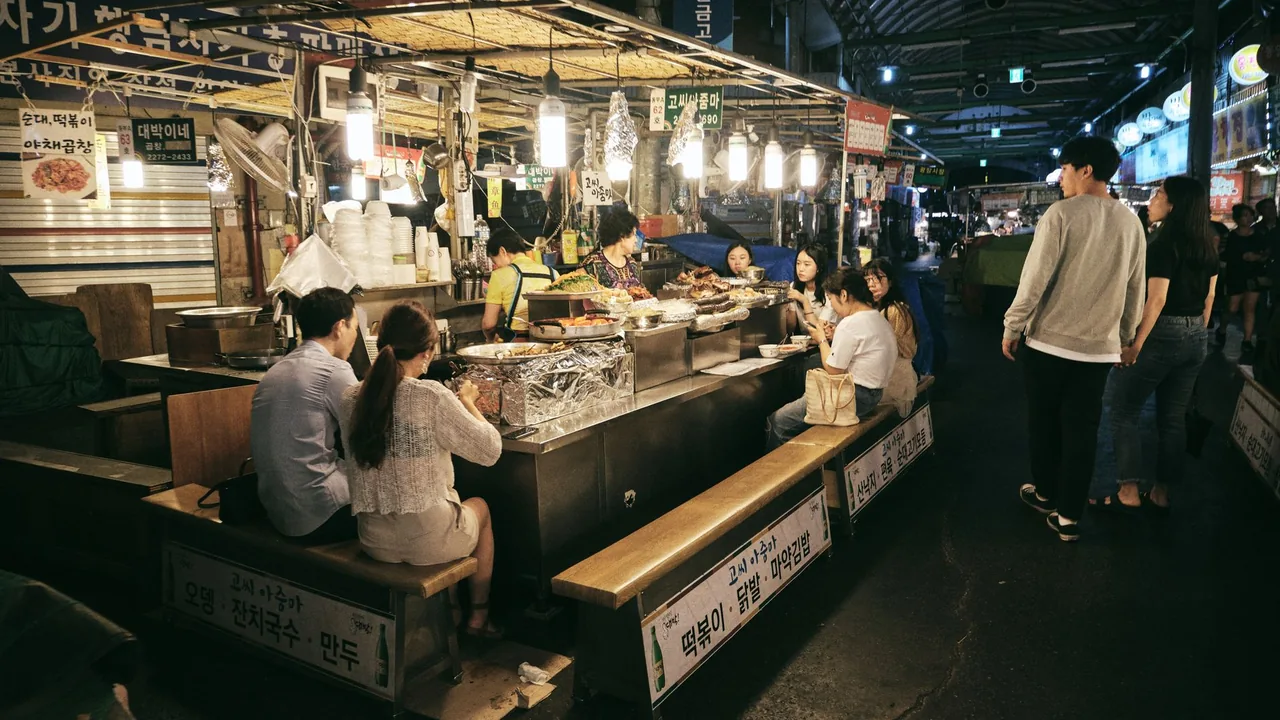
Incheon isn't Seoul. That's precisely why you should eat here at night. While Myeongdong and Gangnam overflow with selfie sticks and inflated prices, Incheon's night markets hum with working locals, families, and people who actually live here—not tourists hunting for Instagram content. You'll find the same quality street food, often cheaper, always fresher, and without the performative atmosphere that makes Seoul's night eating feel like theater.
Why Incheon's Late-Night Food Scene Matters to Travelers
Incheon isn't a food afterthought. With over 3 million residents and Incheon International Airport as Asia's third-busiest hub, this port city has evolved a distinct food culture that blends seafood-forward Korean classics with Chinese and Southeast Asian influences—a legacy of its trading history.
Here's what makes late-night eating in Incheon genuinely worth your time:
Authenticity over tourism. You're eating where locals eat. Night markets here operate on foot traffic from office workers, students, and families returning home, not tourist schedules. Vendors adjust portions and prices based on what's left in the cooler, not what guidebooks recommend.
Price reality. A bowl of kalguksu (knife-cut noodles) runs 7,000-9,000 KRW. Tteokbokki (spicy rice cakes) starts at 6,000 KRW. A seafood pajeon with beer costs 15,000 KRW. You're spending 30-50% less than Seoul's equivalent stalls.
Proximity to the airport. Most travelers fly into Incheon. Rather than heading straight to Seoul, a night market meal here makes logistical and culinary sense, especially if your flight lands at 10 p.m. or later.
Seafood leverage. Incheon's port status means marine catches hit market stalls within hours. Grilled squid, fresh octopus, and seasonal fish are consistently superior to inland options.
5 Essential Incheon Night Market & Late-Night Food Neighborhoods
Location: Bupyeong-gu (subway Line 1, Bupyeong Station, Exit 5)
Bupyeong Market is Incheon's largest traditional market, and it truly comes alive after 6 p.m. when day stalls close and dedicated night vendors set up. This isn't a night market in the night-bazaar sense—it's a functional market with permanent stalls operating extended evening hours.
What to eat:
- Kalguksu at Jeongwang Kalguksu: 8,000 KRW. Hand-cut noodles in a clean, salty broth with clams and scallions. Opens at 5 p.m.; locals queue by 6:30 p.m.
- Tteokbokki & sundae (blood sausage) combos: 8,000-12,000 KRW. Multiple vendors cluster near the main entrance; try the stall with the red umbrella.
- Grilled fish (생선구이): 15,000-25,000 KRW depending on size and species. The fish counter near Section C has daily catches from Incheon Port.
Pro tip: Arrive by 7 p.m. if you want choice. By 9 p.m., many vendors are closing or running low on inventory. Bring cash; most small vendors don't accept cards.
Location: Jung-gu (subway Line 1, Incheon Station, Exits 4-6)
Incheon's Chinatown clusters around Jayu Park and remains open until midnight or later. It's not a "night market" in the traditional sense—it's small restaurants and food stalls interspersed with historic buildings. You'll find Korean-Chinese fusion (Korean chefs interpreting Chinese food) rather than authentic Chinese cuisine.
What to eat:
- Jjamppong (spicy seafood broth): 12,000-16,000 KRW. Try any restaurant with red signage along the main drag; portions are generous.
- Mandu (dumplings): 6,000-8,000 KRW. Look for vendors setting up carts around 7 p.m.
- Sweet & sour pork (탕수육): 18,000-22,000 KRW. Order at sit-down spots; street stalls don't typically do fried dishes.
Why visit: If you're near the airport and heading to Central Incheon, Chinatown is a 20-minute subway ride. The neighborhood has a nostalgic vibe absent from Seoul's Chinatown, and restaurant staff are used to English-speaking guests.
Location: Dong-gu (subway Line 1, Gonghang Station, Exit 1)
Gonghang Market operates as a night food street Thursday through Sunday (officially 6 p.m.–midnight, though peak hours are 7–10 p.m.). Vendors sell everything from grilled shellfish to fresh sashimi.
What to eat:
- Grilled scallops & mussels: 10,000-15,000 KRW per serving. Vendors butter-grill them on the spot; eat standing up or grab a small plastic stool.
- Sashimi sets (회 세트): 25,000-35,000 KRW. Fresh flounder, squid, and octopus with soy sauce and wasabi.
- Nakji bokkeum (stir-fried octopus): 12,000 KRW. Cooked to order; slightly charred on the edges, chewy center.
Pro tip: This market caters to local fishmongers and restaurant suppliers, so vendor English is minimal. Point and nod. Quality is exceptional because there's no markup for tourism.
Location: Yeonsu-gu (subway Line 1, Songdo Station or Arts Center Station)
Yeonsu-gu, particularly around Songdo International Business District, has newer late-night food streets and pojangmacha (tent bars with food) clusters. This is younger, cleaner, and more English-friendly than traditional markets.
What to eat:
- Hotteok (sweet pancakes with brown sugar & cinnamon): 3,000-4,000 KRW. Standard late-night carb. Multiple vendors operate until 1 a.m.
- Gimbap (seaweed rice rolls): 4,500-6,000 KRW. Better quality than Seoul airport convenience stores; made fresh at night stalls.
- Budae jjigae (army stew): 14,000-18,000 KRW. Shared pot; available at pojangmacha near Songdo Lake Park.
Why visit: If you're staying near the airport or heading to Songdo for business, this area keeps late hours (until 1-2 a.m.) with minimal crowd friction.
Location: Namdong-gu (subway Line 1, Guwol Station, Exit 4)
Guwol Market is smaller than Bupyeong and, as a result, less mobbed. It's where Incheon residents actually shop and eat. The night food scene (6 p.m.–10 p.m.) is compact but genuine.
What to eat:
- Seafood pajeon: 12,000-15,000 KRW. Mixed shrimp, squid, and green onions in a crispy batter.
- Tteokbokki & cheese tteokbokki (fusion): 7,000-9,000 KRW. The cheese version is polarizing but worth one bowl.
- Boiled corn & eggs: 2,000-3,000 KRW. Not exciting, but honest.
Pro tip: Arrive by 7 p.m. to avoid picking through leftovers. This market shuts down hard by 10 p.m.
Location: Jung-gu waterfront (subway Line 1, Incheon Station, then bus or taxi 10 minutes)
If your flight lands at 11 p.m. and you're starving, the port area has 24-hour restaurants and late pojangmacha. Quality is restaurant-level (sit-down service), not street stall, but it's an option.
What to eat:
- Jjigae (Korean stew): 10,000-14,000 KRW. Soondubu (soft tofu), doenjang (soybean paste), or budae (army).
- Grilled fish restaurants: 20,000-30,000 KRW. Always open; geared toward port workers and late travelers.
Why visit: Reliability over discovery. If markets are closed, port restaurants exist.
8 Essential Etiquette & Practical Tips for Incheon Night Market Food Stalls
- Bring cash (won notes and coins). Most incheon night market food stalls operate on cash-only or Korean payment apps (Naver Pay, Kakao Pay). Visa/Mastercard rarely work. ATMs cluster near subway stations; grab 100,000-200,000 KRW before entering a market.
- Order by pointing or showing your phone. English fluency at stalls is low. Take a photo of a menu or point to what you want. Vendors understand hand signals better than accented English.
- Eat standing or on provided stools. Most night market stalls have no seating. Vendors provide small plastic stools or you stand. This is not a flaw; it's the format. Budget 15-20 minutes per meal.
- Expect minimal hygiene theater. You won't see hand-washing visible from the stall; trust that it happens. Korean health codes are strict. Food sits out because Korean cuisine relies on fresh preparation and rapid consumption, not heated displays.
- Ask "얼마예요? (eolmayeyo?)" before ordering if prices aren't posted. Prevents surprises. Night market pricing is transparent but posted only in Korean.
- Don't hoard tables at pojangmacha (tent bars). If you're eating at a bar stall with bench seating, eat quickly and move. Locals waiting behind you will stare; it's not rude, it's turnover culture.
- Tipping doesn't exist. Small change goes in a jar. You don't tip. Some vendors have a tip jar; loose coins are appreciated but not expected. Rounding up to the nearest 1,000 KRW is polite.
- Peak hours are 7–9 p.m. Arrive early or after 10 p.m. if you dislike crowds. Before 6 p.m., stalls are still setting up. After 10 p.m., inventory dwindles fast.
- Use 고추장 (gochujang, red chili paste) and 된장 (doenjang, soybean paste) freely. These are self-serve at stalls. Incheon's food is less aggressively spiced than Seoul street food; these condiments let you customize heat.
- Respect queue culture. Koreans queue without being told. Wait your turn. Don't jump ahead to "ask a question." When your turn comes, be ready to order.
FAQ: Incheon Night Markets & Late-Night Eating
Yes. Korean street food vendors are health-inspected. Food moves fast; nothing sits long enough to spoil. The real risk is your stomach adjusting to new spices, not food poisoning. Incheon's port city status and international traffic mean vendors understand foreigner dietary needs. If you have allergies, write them in Korean or show photos on your phone.
Most traditional markets (Bupyeong, Guwol, Gonghang) officially open at 6 p.m. and run until 10 p.m. weekdays, sometimes 11 p.m. weekends. Pojangmacha (tent bar food stalls) and restaurant areas around Chinatown stay open until midnight or 1 a.m. Markets are usually dead by 10:30 p.m.; vendor presence drops significantly. Plan to eat between 6:30–9:30 p.m. for maximum choice.
Rarely. Most stalls accept Korean apps (Naver Pay, Kakao Pay) but require a Korean phone number to set up. Visa/Mastercard are almost never accepted at street stalls. Restaurants in Chinatown and Yeonsu-gu often take cards. Bring 150,000+ KRW in cash. ATMs are within 5 minutes of every subway station.
A traditional night market (시장 야시장) is an extension of a daytime market; vendors sell prepared food, but it's merchandise-focused. A pojangmacha (포장마차) is a temporary tent or cart serving food and drinks with communal seating. Night markets are louder and more frenetic; pojangmacha are social and drink-focused. Both serve food until late, but pojangmacha typically stay open longer (until midnight+).
Limited but real. Most stalls can make tteokbokki (rice cakes in red sauce) without meat; confirm by pointing and saying "고기 없이 (gogi eobsi—without meat)." Hotteok (sweet pancakes), gimbap (seaweed rice rolls), and boiled vegetables exist at most stalls. Chinatown has vegetable stir-fries. Seafood is the default protein; explicitly request no seafood if you're vegetarian, as anchovy broth is a common base.
Incheon International Airport is in Incheon proper; most night markets are 20–30 minutes away by subway. If your flight lands before 10 p.m. and you have time before onward travel, a market visit is feasible. If you're sleeping at the airport or heading to Seoul immediately, skip it. For midnight+ arrivals, grab a 24-hour restaurant near the port or airport hotels; traditional markets are closed.
Your Next Move
Incheon's night markets are proof that the best Korean food doesn't happen on Instagram or in Seoul's tourist zones. It happens in market stalls where the margin is thin, the turnover is fast, and vendors have zero incentive to compromise on quality.
Your next trip to Incheon: land, grab cash, take Line 1 to Bupyeong or Gonghang, eat kalguksu or grilled squid standing up, and leave 90 minutes later with a real meal in your stomach and zero regrets.
Ask the KORLENS AI chat for Incheon night market and late-night food suggestions based on your interests. It is an AI assistant that replies in seconds, not a human team, and it works from Korea Tourism Organization open data. Also visiting Seoul? Seoul Local Picks covers Seoul only.
Next Step
About this guide
KORLENS is run by one person (KunStudio, a solo studio in Korea), not an editorial team. Guides are AI drafts based on public sources; some use Korea Tourism Organization TourAPI open data. KORLENS does not claim on-site visits or scheduled re-checks, so confirm hours, prices and closures with the venue before you go. Page last edited: 2026-06-07.
Plan your Korea trip with the KORLENS AI chat
Got a follow-up question after reading this? Ask the KORLENS AI chat in plain English. It is an AI assistant, not a person, and it replies in seconds with places from Korea Tourism Organization open data.
Ask the KORLENS AI chatCurious about Korean Saju? Try sajuapp.app
1,000-year-old Korean astrology, decoded by AI — available in 9 languages.
Is it worth visiting, the best time to go, crowds and real cost.
Incheon Luxury Guide 2026: Where the Wealthy Shop and Eat
Skip Seoul's crowded Gangnam. Incheon's luxury scene is where Korean high-net-worth individuals actually spend money—quieter, more exclusive, and genuinely worl
Incheon for Young Travelers 2026: Music, Cafes, Street Culture
Skip Seoul crowds. Incheon's youth street culture thrives in live music venues, vintage cafes, and artist neighborhoods where locals actually hang out—and your