Incheon Cherry Blossom 2026: Best Spots and Exact Timing
Skip Seoul crowds. Incheon's cherry blossoms peak 3-5 days earlier with fewer tourists. Here's exactly where to go and when in 2026.
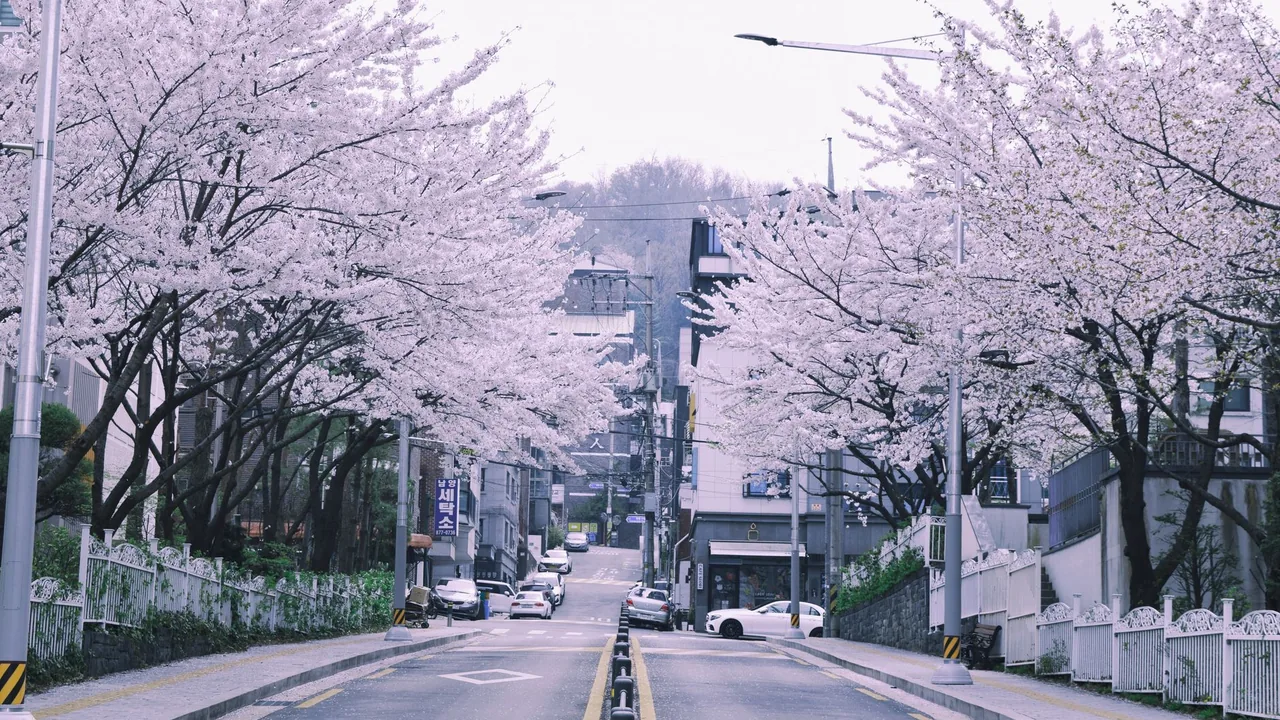
The 2026 cherry blossom season has ended. Unverified 2026 bloom dates were removed from this guide. The 2027 forecast is here: Korea Cherry Blossom Forecast 2027.
# Incheon Cherry Blossom 2026: Best Spots and Exact Timing
Forget what you've read about Seoul's cherry blossoms—Incheon blooms earlier, clears faster, and hosts a fraction of the shoulder-to-shoulder crowds you'll find at Yeouido Park. If you're chasing actual space to walk, photograph, and breathe during spring, the port city 60km west of Seoul is your real answer. This guide lays out neighborhoods, timings, and costs so you don't waste a single day.
How Incheon's Cherry Blossom Timing Differs from Seoul
Incheon's coastal position and slightly warmer microclimate mean peak bloom typically arrives 3–5 days earlier than Seoul. Incheon's sweet spot typically comes a few days before Seoul's Yeouido peak. This matters because:
- Weather stability: Incheon's bloom window is tighter but more predictable thanks to less altitude variation.
- Crowd dynamics: By April 1, savvy travelers already know to pivot to Incheon; by April 3, Seoul's parks are utterly gridlocked.
- Wind exposure: As a port city, Incheon can shed blossoms faster during coastal breezes—hit it on calm days (typically mid-week in spring).
Korea Meteorological Administration typically releases detailed bloom forecasts by late February each year. Check their weekly updates starting then; local Incheon parks publish real-time blossom percentage on their official websites by early March.
5 Must-Visit Cherry Blossom Spots in Incheon
Location: Songdo International Business District Cost: Free entry; parking ₩3,000–4,000 per hour Why go: 1.7 km of tree-lined promenade with 2,000+ cherry trees hugging a man-made lake. This is Incheon's signature spot—modern, walkable, and genuinely less crowded than Seoul's parks because tourists don't know about it yet.
Arrive by 7 a.m. on weekdays for empty lanes and golden-hour light. The park's western edge near the fountain is where locals congregate; eastern sections stay quiet. Bring a picnic—the convenience store markup is brutal (kimbap ₩7,500 vs. ₩4,500 outside). Stroller-accessible paths throughout.
Location: Jung-gu, rural Incheon Cost: Free; limited street parking (arrive early) Why go: Quieter, more "authentic" than Songdo. Narrow dam road lined with 300+ old cherry trees overlooking water. Popular with local photographers and fewer international tourists.
Parking fills by 10 a.m. on weekends. The walk is under 2 km round-trip. Bring bug spray—spring mosquitoes near the water are aggressive. Nearest restaurants are 800m away; pack snacks. This is a 30-minute drive from downtown Incheon; plan accordingly.
Location: Nam-gu, near Incheon Harbor Cost: Free entry; parking ₩2,000–2,500 per hour Why go: Historic site with war monument and 800+ cherry trees. The combo means fewer pure-blossom-chasers and more depth to your visit. Harbor views add cinematic backdrop.
Best at sunrise (6–7 a.m.) when light hits the blossoms and water simultaneously. Paths are steep in sections; wear comfortable shoes. There's a small museum (₩3,000) if weather turns ugly. Vendor prices: hotteok (sweet pancake) ₩3,000, coffee ₩4,500.
Location: Western Incheon, near Mount Gyeyang Cost: Free; no formal parking (street park only) Why go: Uphill trails through dense cherry-tree clusters. Less manicured than Songdo, more "forest bathing" vibes. Blooms slightly later, so it's a backup option if other spots already dropped.
Moderate fitness required—20-minute climb to main viewpoint. Reward is genuine solitude and blossom tunnel effect. Nearest food: small restaurant at park entrance (noodles ₩8,000). Trail markings are Korean-only; download offline maps.
Location: Historic downtown Incheon Cost: Free parks; meals ₩6,000–12,000 Why go: Combine blossoms with cultural tourism. Jayu Park sits above Chinatown with scattered cherry trees, old architecture, and zero crowds. Petite compared to Songdo, but perfect for 2–3 hour visits.
Start at Jayu Park (best light 3–5 p.m.), walk downhill into Chinatown for late lunch. Try jjamppong (spicy seafood noodles, ₩9,500) or xiaolongbao at family-run shops. Parking near park: ₩2,500/hour. This area is charmingly worn; expect narrow streets and old-school vibes—that's the appeal.
8 Practical Tips & Cherry Blossom Etiquette in Incheon
- Arrive before 8 a.m. on weekends – Incheon parks fill post-9 a.m., especially at peak bloom. Weekday mornings are ghost-town quiet.
- Wear layers and check wind forecasts – Spring in Incheon swings 10–15°C between morning/afternoon. Windy days shed blossoms fast; check weather.go.kr three days ahead.
- Don't climb on trees or shake branches – Korean park rangers will fine you (₩100,000+). Blossoms fall naturally; be patient.
- Bring your own trash bags – Public bins are scarce. "Leave no trace" is enforced more strictly at Incheon parks than Seoul. Pack out everything—rules have tightened significantly.
- Cash for street vendors – most take card, but small family stalls (hotteok, coffee) prefer cash (₩5,000–10,000 for snacks). ATMs cluster near park entrances.
- Respect picnic zones – Designated picnic areas exist at Songdo and Landing Memorial; use them. Spreading random blankets gets you asked to move by staff. Some parks restrict alcohol after 6 p.m. (announced on-site).
- Download offline maps – Cell service in rural spots (Yeonmijeong, Dongchun) is spotty. Google Maps offline works; Naver/Kakao Maps are Korean-native and more reliable.
- Parking validation matters – Some parks offer 1–2 hours free parking if you eat at affiliated cafés. Ask attendants when you pay. This can save ₩5,000–10,000 on a day visit.
- Bring a portable phone charger – Peak bloom days, everyone's photographing. Expect 20–30% battery drain per 3-hour visit with constant camera/GPS use.
- Reserve restaurants in advance for group dinners – If planning post-blossom meals with 6+ people, book by March 20 via Naver (Korean) or call ahead. Popular spots fill 2–3 weeks in advance.
FAQ: Incheon Cherry Blossom
A: The 2026 season is over, and this guide does not give an observed 2026 peak date for Incheon. Each year the Korea Meteorological Administration publishes bloom forecasts; register for its push notifications for accuracy. Seoul typically follows Incheon by 4–5 days.
A: Yes. Airport Railroad Direct (A'REX) runs every 6 minutes to Seoul Station (43 min, ₩9,050). From Station, take Korail or metro 30–40 min to Incheon. Alternatively, rent a car (GMarket or local companies, ₩50,000+/day) for flexibility. Recommend direct transport if visiting only Songdo; car essential for Yeonmijeong or Dongchun.
A: Self-navigation is straightforward if you speak basic Korean or use Google Translate. Signage at major parks (Songdo, Landing Memorial) includes English. Smaller spots (Yeonmijeong, Dongchun) are Korean-only; offline maps essential. No guide necessary, but hiring one (₩80,000–150,000/4 hours via local tour agencies) adds cultural context and avoids parking hassles.
A: Depart Seoul 6:30 a.m. → Arrive Incheon 7:45 a.m. → Songdo Central Park (2.5 hours) → Lunch in Songdo (1 hour, ₩10,000–15,000) → Landing Memorial Park (1.5 hours) → Return to Seoul 5–6 p.m. Total cost: ₩40,000–60,000 transport + ₩25,000 food + parking. Doable but rushed; consider overnight stay in Incheon (hotels ₩60,000–120,000/night) for unhurried experience.
A: Yes, on-leash only at all major parks. Songdo Central Park is most dog-friendly (dedicated paths). No off-leash zones anywhere; fines apply. Peak bloom dates mean crowded paths—keep pets calm and close. Some cafés near parks are pet-friendly (ask owners).
A: Secondary bloom windows exist: Dongchun Park peaks later than Songdo (later genetics); if you miss Songdo, shift there. Blossoms persist on higher-altitude trails (Gyeyang) through April 10 in weak form. Worst case, pivot to spring flower festivals (azalea, magnolia) mid-April. Don't stress—Incheon has extended spring bloom compared to Seoul's compressed 7-day window.
Ready to Experience Incheon's Cherry Blossoms?
Incheon in spring isn't just a backup to Seoul—it's genuinely better if you value space, authenticity, and early-season magic. Check the Korea Meteorological Administration forecast each March, download offline maps now, and arrive before dawn on your chosen day. The crowds simply aren't there yet.
Ask the KORLENS AI chat for Incheon spring blossom spot suggestions based on your interests. It is an AI assistant that replies in seconds, not a human team, and it works from Korea Tourism Organization open data. Also visiting Seoul? Seoul Local Picks covers Seoul only.
Happy blooming.
Next Step
About this guide
KORLENS is run by one person (KunStudio, a solo studio in Korea), not an editorial team. Guides are AI drafts based on public sources; some use Korea Tourism Organization TourAPI open data. KORLENS does not claim on-site visits or scheduled re-checks, so confirm hours, prices and closures with the venue before you go. Page last edited: 2026-10-04.
Plan your Korea trip with the KORLENS AI chat
Got a follow-up question after reading this? Ask the KORLENS AI chat in plain English. It is an AI assistant, not a person, and it replies in seconds with places from Korea Tourism Organization open data.
Ask the KORLENS AI chatCurious about Korean Saju? Try sajuapp.app
1,000-year-old Korean astrology, decoded by AI — available in 9 languages.
Is it worth visiting, the best time to go, crowds and real cost.
7 Best Day Trips from Incheon (2-Hour Radius, 2026)
Skip Seoul crowds. We've mapped 7 authentic incheon day trip countryside escapes within 2 hours—from coastal villages to mountain temples—with real prices and i
Incheon 3-Day Itinerary for First-Time Visitors (2026)
Skip the Seoul crowds. Incheon's underrated skyline, seafood markets, and island escapes offer authentic Korea without the tourist gridlock. Here's exactly wher