Incheon on a Budget: How to Travel for KRW 100,000/Day in 2026
Skip Seoul's inflated prices. Incheon delivers authentic Korea—street food, beaches, museums—for under 100,000 KRW daily. Here's exactly how.
# Incheon on a Budget: How to Travel for KRW 100,000/Day in 2026
Most travelers skip Incheon entirely—they land at the airport and immediately bolt to Seoul. That's exactly why you should stay. While Seoul's neighborhoods have become Instagram-polished tourist traps with prices to match, Incheon remains a working city where locals still grab tteokbokki for 4,000 KRW and beach days cost nothing. You can genuinely eat well, move freely, and explore at least five distinct neighborhoods for under 100,000 KRW per day. This isn't backpacker hostels-and-ramen budgeting; it's how actual Incheon residents live.
Where the Savings Actually Are in Incheon — By Category
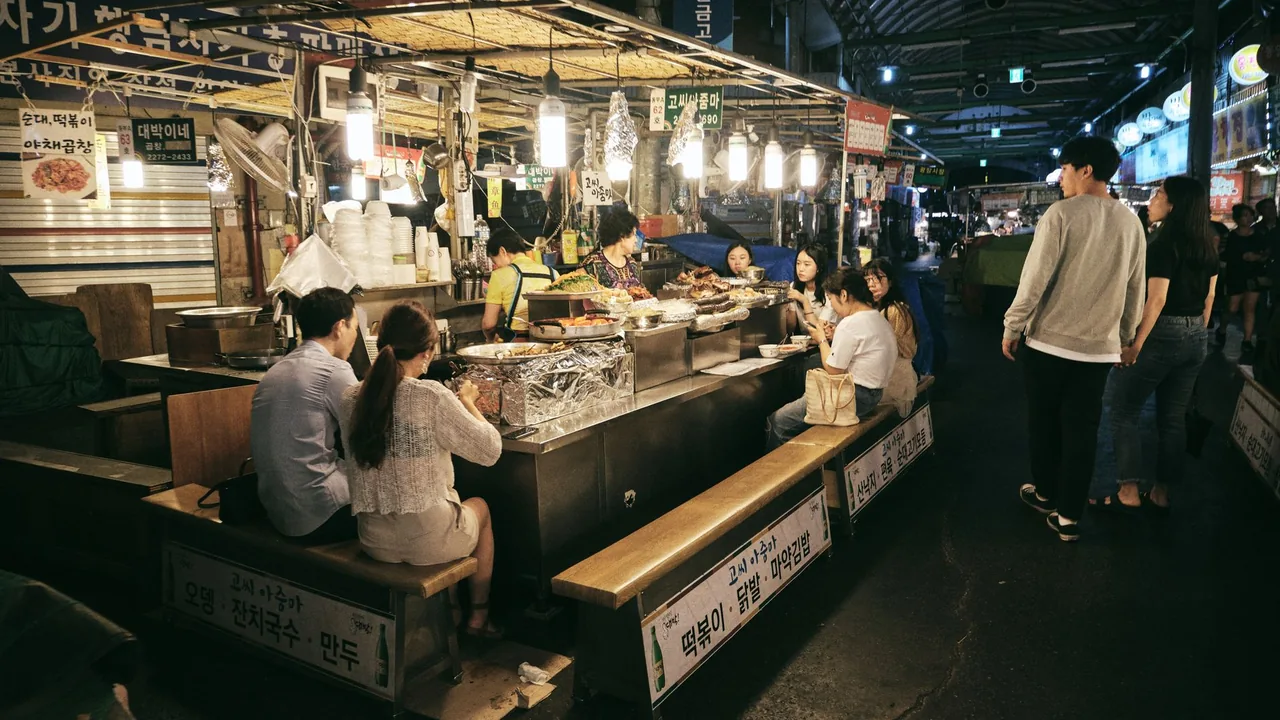
This is where Incheon crushes Seoul. Street food markets—especially the legendary Incheon street food market clusters near subway stations—price items 30–40% lower than Seoul equivalents. A bowl of jjamppong (spicy seafood soup) runs 8,000–10,000 KRW instead of Seoul's 13,000–15,000 KRW. Kimbap, gimbap, and sushi rolls are 3,500–5,000 KRW. The key: eat at markets and pojangmacha (street tent restaurants), not "concept cafés."
Incheon's subway system is newer and cheaper than Seoul's. A single ride costs 1,250 KRW (vs. Seoul's 1,450 KRW). Buy a rechargeable T-money card (5,000 KRW) at any GS25, then reload as needed. If you're staying put in one neighborhood for 2–3 days, you won't need transit at all—most areas are 30–40 minutes walkable.
Many Incheon attractions are free or cost a fraction of Seoul museums. Songdo's waterfront is completely free. Incheon Grand Park (admission: 5,000 KRW) covers 560 acres. The Incheon Landing Park Museum is 10,000 KRW. Compare this to Seoul's Gyeongbokgung Palace (25,000 KRW) or museum entries (15,000–20,000 KRW).
Budget hostels (12,000–18,000 KRW/night), guesthouses (25,000–40,000 KRW/night), or Airbnb rooms (40,000–60,000 KRW/night) are available. For a true 100K daily budget, assume 30,000–40,000 KRW goes to sleep, leaving 60,000–70,000 KRW for everything else.
5–7 Specific Spots and Neighborhoods (with Real Prices)
The reality: This is where Incheon residents actually spend weekends. The Namdong-gu street food markets near Nambu Bus Terminal operate evenings and weekends. Expect: grilled fish cakes (odeng), 2,000–3,000 KRW per stick; tteokbokki, 4,000 KRW; hotteok (sweet pancake), 2,500 KRW. Seagull Market (갈매기시장) is 15 minutes by subway from Incheon Station. This is THE incheon street food market experience.
Budget meal breakdown: tteokbokki (4,000) + odeng (2,500) + hotteok (2,500) + sujeonggwa (traditional cinnamon drink, 1,500) = 10,500 KRW for a full evening of eating.
The reality: Songdo is hyper-developed but surprisingly budget-friendly if you avoid chain restaurants. The entire waterfront—Central Park, parks along the canal, viewing areas—is free. Incheon Art Platform (무료 admission to courtyard) costs nothing; galleries inside are free-to-10,000 KRW each.
Daily spend: Walk the waterfront (free), lunch at a pojang tent near the subway (7,000 KRW for kalguksu), coffee at a convenience store (2,500 KRW), dinner at a family restaurant (8,000–10,000 KRW). Total: ~17,500 KRW.
The reality: A 20-minute subway ride from Incheon Station. The "tourist" amusement park is pricey, but locals come for the beach (free), the sunset (free), and street food. Seafood pojang tents cluster near the pier—grilled squid (ojingeochim), 12,000–15,000 KRW; steamed clams (jogae-jjim), 8,000 KRW.
Daily spend: Transport (2,500 KRW round trip) + seafood lunch (10,000 KRW) + snacks from the market (4,000 KRW) = 16,500 KRW.
The reality: Incheon's Chinatown is half the price of Seoul's. Jjamppong and jjajangmyeon restaurants cluster here, all 8,000–12,000 KRW per bowl. The street itself is navigable in 45 minutes. Street vendors sell steamed buns (만두), 1,000–2,000 KRW each.
Bonus: The nearby Free Economic Zone Museum (10,000 KRW) explains Incheon's trade history better than most tourist-focused museums.
The reality: The area immediately around Incheon Station is dense with cheap eats. The underground shopping arcade has kimbap shops (5,000 KRW), instant noodle bars (4,000 KRW), and convenience stores. Manseongsa Market, a traditional market 10 minutes by foot, has produce and prepared foods at 50% of Seoul prices.
Daily spend: Breakfast kimbap (5,000 KRW) + lunch jjajangmyeon (8,000 KRW) + dinner gimbap + soup (9,000 KRW) + transit (2,500 KRW) = 24,500 KRW.
The reality: 30 minutes by bus from Incheon Station, but completely worth it. Free beaches, free walking trails. The restaurant scene is casual and cheap—grilled fish (생선구이), 12,000–18,000 KRW; bibimbap, 8,000 KRW. Fewer tourists means fewer inflated menus.
Daily spend: Transport (3,000 KRW) + meals (18,000 KRW) + coffee (2,500 KRW) = 23,500 KRW.
The reality: This neighborhood is where young families live. Zero touristy vibes. Restaurants are purely local pricing. Sujebi (Korean hand-torn noodles), 6,000 KRW; kalguksu, 7,000 KRW; bokkeumbap (fried rice), 5,000–6,000 KRW. Street pojang near Gyeyang Station operate evenings.
Bonus: Incheon Grand Park is adjacent—free entry to grounds, 5,000 KRW for garden sections.
Etiquette & Practical Tips (8–10 Must-Knows)
- Carry small change or a T-money card. Pojang tents and street food vendors rarely accept cards. Load your T-money at any convenience store (GS25, CU, Emart24) in increments of 10,000 KRW.
- Eat standing up. Street food is cheaper when consumed at the vendor. A seat (even a plastic stool) might add 500–1,000 KRW to your bill, and sit-down restaurants always charge 15–30% more.
- Shop at Emart24 or GS25 for meals, not restaurants. Kimbap, gimbap, and prepared boxes cost 4,000–6,000 KRW and rival restaurant quality. This is a legitimate way to eat in Korea, not cheap-skate behavior.
- Visit markets in the evening. Seagull Market and other street food markets operate primarily 5 PM–10 PM. Vendors close by 11 PM. This is when locals eat; daytime is quieter.
- Use Naver Map or Kakao Map religiously. These apps show bus stops, walking times, and importantly, which restaurants are open. Many pojang tents operate seasonally or only on weekends.
- Negotiate or skip tourist-facing restaurants entirely. If a restaurant menu has English prices listed and photos, it's marked up 30–50% for tourists. Eat where you see Korean families.
- Beach days and parks are free. Don't pay for "attractions" when Incheon's coastline and green spaces cost nothing. Pack a convenience store picnic instead.
- Learn 5–10 food words. "Tteokbokki" (떡볶이), "gimbap" (김밥), "pojang" (포장), "jjajang" (짜장), "sujebi" (수제비). Vendors respond better to any Korean attempt, and you'll avoid unpleasant surprises.
- Public bathhouses (jjimjilbangs) are 8,000–12,000 KRW. A full evening—sauna, hot bath, sleeping room—costs less than a cheap hostel and is genuinely cultural.
- Don't rely on taxis. Incheon's subway is efficient and affordable. Taxis start at 3,800 KRW but metered fares add up fast. Subway + walking is always cheaper.
FAQ
Yes, but with discipline. Budget 30,000–40,000 KRW for a guesthouse or hostel, 35,000–45,000 KRW for meals (eating at markets and pojang), 8,000–10,000 KRW for transport, and 10,000–15,000 KRW for one paid attraction. This leaves a 5,000–10,000 KRW buffer for coffee or minor splurges. If you skip paid attractions and spend 2–3 days in one neighborhood, you're comfortably under budget.
Seagull Market (갈매기시장) in Namdong-gu near Nambu Bus Terminal. It operates evenings and weekends, is clean compared to older markets, has consistent foot traffic, and vendors expect tourists. Start at the entrance, walk the whole loop, and return to whatever smells best. Expect to spend 8,000–15,000 KRW for a full "tasting menu." Bring small bills.
Partially. Transport from Seoul (2,500–5,000 KRW round trip) eats into budget. You'd realistically have 95,000 KRW for Incheon activities. Doable if you skip paid attractions—eat at markets, visit Songdo's free waterfront, ride the subway. But overnight stays (with cheaper accommodations) make Incheon more rewarding. You'll see neighborhoods and street life that day-trippers miss.
Spring (April–May) and fall (September–October) are ideal—beach weather without summer crowds or winter wind. Summer is humid and attracts tourists, driving up prices. Winter is brutally cold and windy (Incheon's coastal winds are notorious). Street food vendors thin out in winter, and heating makes guesthouses pricier. Spring and fall require no seasonal spending (no heaters, no air-con).
Limited, but workable. Most vendors offer vegetable kimbap (야채김밥), vegetable tteokbokki, and fruit smoothies (스무디). Convenience stores stock plant-based gimbap and veggie packed lunches. Buddhist temple food (사찰음식) restaurants exist in Incheon but run 12,000–15,000 KRW per meal. Better option: cook in your guesthouse if dietary needs are strict.
The underground shopping arcades below subway stations have entire food courts that tourists never find. These aren't fancy, but they're clean, cheap, and packed with locals. You get a meal ticket at a central counter, hand it to vendors, and eat surrounded by office workers and students. Quality rivals street food but with more consistency. Try the arcades at Incheon Station, Nambu Bus Terminal, and Gyeyang Station.
Ready to Rewrite Your Korea Budget?
Incheon isn't a consolation prize if you can't afford Seoul—it's a smarter choice. You'll eat better, move faster, and see Korea that most visitors miss entirely. The incheon street food market alone justifies the trip; pair it with free beaches, underrated museums, and genuinely local neighborhoods, and you've got a trip that costs less and delivers more.
Ask the KORLENS AI chat for Incheon place suggestions for a tight budget based on your interests. It is an AI assistant that replies in seconds, not a human team, and it works from Korea Tourism Organization open data. Also visiting Seoul? Seoul Local Picks covers Seoul only.
Next Step
About this guide
KORLENS is run by one person (KunStudio, a solo studio in Korea), not an editorial team. Guides are AI drafts based on public sources; some use Korea Tourism Organization TourAPI open data. KORLENS does not claim on-site visits or scheduled re-checks, so confirm hours, prices and closures with the venue before you go. Page last edited: 2026-06-04.
Plan your Korea trip with the KORLENS AI chat
Got a follow-up question after reading this? Ask the KORLENS AI chat in plain English. It is an AI assistant, not a person, and it replies in seconds with places from Korea Tourism Organization open data.
Ask the KORLENS AI chatCurious about Korean Saju? Try sajuapp.app
1,000-year-old Korean astrology, decoded by AI — available in 9 languages.
Is it worth visiting, the best time to go, crowds and real cost.
Best Neighborhoods to Stay in Incheon for Foreigners (2026 Guide)
Skip Seoul crowds. Incheon offers cheaper stays, better airport access, and neighborhoods where you'll actually experience local Korea. Here's where to book.
Incheon Transport Guide for Foreigners (2026): Subway, Bus, Taxi
Master Incheon transport like a local. Subway, bus, and taxi navigation with real prices, etiquette rules, and insider tips for 2026.