Solo Female Travel in Gyeongju: 2026 Safety + Practical Guide
Gyeongju isn't Seoul—and that's exactly why solo female travelers find it safer and more authentic. Here's the real breakdown.
# Solo Female Travel in Gyeongju: 2026 Safety + Practical Guide
Gyeongju isn't on most solo female travelers' radar—and that's exactly the problem. While Seoul dominates the conversation, this ancient capital delivers something Seoul can't: a place where a woman walking street at night feels genuinely ordinary, not precautionary. You're not navigating crowds of 10 million; you're exploring a city of 250,000 where locals know faces and CCTV coverage is thorough without feeling oppressive.
What's Real About Gyeongju's Safety—And What's Overstated
Let's cut through the noise. Gyeongju is genuinely safe for solo female travelers. This isn't marketing—it's backed by consistent crime statistics, a stable population, and cultural factors that actually matter.
What's real: Violent crime is exceptionally rare. Sexual assault exists (as it does everywhere), but rates are markedly lower than major Korean cities. Petty theft is minimal compared to Seoul's subway pickpockets. Police response times are fast. English proficiency among younger residents has improved significantly since 2024.
What's overstated: The idea that you need a constant companion. You don't. The notion that Korean men are inherently threatening toward foreign women is a lazy stereotype—and locals will call it out. Concerns about "nightlife dangers" are usually code for Seoul's club district problems, which don't apply here.
The real variable: Your comfort level with a smaller, quieter city. If you're used to 24-hour energy, Gyeongju closes down by 11 PM, which feels safe but also feels like a small town. That's a preference issue, not a safety issue.
5 Neighborhoods + Specific Spots (With Real 2026 Prices)
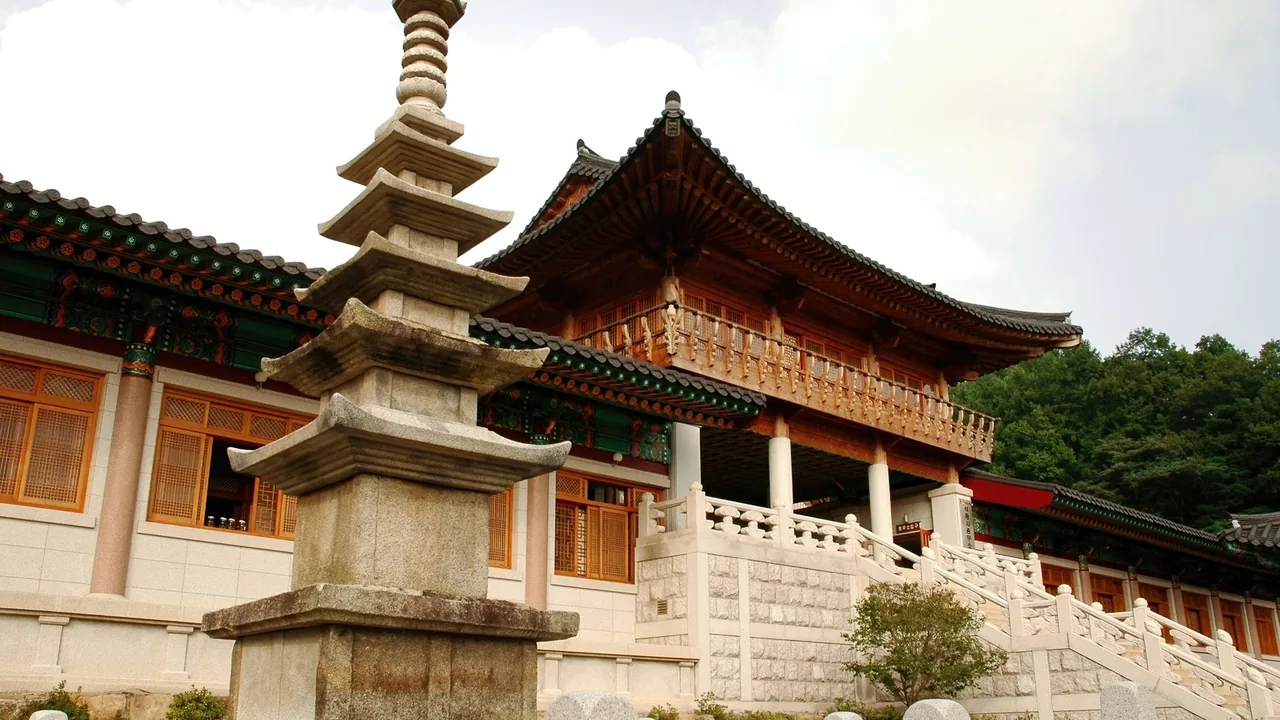
The temple itself is the draw, but the neighborhood is quiet, residential, and perfectly navigable solo. Guesthouses cluster here starting at ₩45,000/night. You'll pass small cafes (coffee ₩4,500–₩6,000) and the occasional convenience store. The walk from the main road to temple grounds is well-lit and trafficked by other tourists.
Why it's safe: Foot traffic during day; quiet but populated at night; no rowdy bars or nightlife zones.
This is where you'll find the main shopping street, restaurants, and cultural centers. The pedestrian zones around Gyeongju Station are dense with foot traffic until 9 PM. Budget meals run ₩8,000–₩12,000 (kimbap, bibimbap). Guesthouses here are ₩40,000–₩70,000/night and offer better access to transport.
Why it's safe: High visibility, constant foot traffic, direct transport options, well-marked streets.
This pond area is lit in the evenings and draws photographers until sunset. The surrounding neighborhood is upscale residential—tree-lined, quiet, with small restaurants and teahouses (tea ₩5,000–₩8,000). Walking here solo at 7 PM feels like a evening stroll in a wealthy European suburb.
Why it's safe: Tourist-friendly, beautiful lighting, police presence due to cultural significance, minimal foot traffic but high visibility.
Another major historical site with a small commercial zone attached. Restaurants here are tourist-oriented but affordable (₩10,000–₩15,000 for lunch sets). The palace grounds close at sunset, but the surrounding neighborhood stays active until late evening.
Why it's safe: Well-maintained public spaces, cultural monument status means oversight, consistent tourist presence.
Large park with ancient burial mounds. Open until dusk; most solo travelers visit during day. The immediate surrounding area is quiet, with a few small restaurants and convenience stores. Evening walks here aren't recommended simply because there's no infrastructure—not because there's danger.
Why it's safe (during day): Maintained public park, daytime activity, visible pathways.
Runs Thursday–Sunday evenings near downtown. Cheap eats (₩4,000–₩8,000 per item), packed with families and young people. Solo female vendors are common; the atmosphere is casual and well-lit.
Why it's safe: Crowded, family-oriented, evening activity in main commercial district.
A newer cafe district with 30+ coffee shops, trendy seating, and a young crowd. Coffee ₩5,000–₩7,500. Stays active until 11 PM. This is where local students and young professionals hang out—very safe, very normal.
Why it's safe: Young demographic, bright lighting, consistent late-evening activity.
8 Essential Etiquette & Practical Tips for Solo Female Travelers
- Download Naver Map or Kakao Map before arriving. Google Maps has gaps in Gyeongju. These apps include bus routes, walking times, and business hours. Offline maps are non-negotiable outside Seoul.
- Use "women-only" subway cars if taking the train from Daegu. Gyeongju's local buses don't have this feature, but you'll likely be traveling via Gyeongju's modest transit system. Cabs are abundant and reasonably priced (₩3,500 base + distance).
- Keep your phone charged and a portable battery handy. You'll be using GPS constantly. Kakao Taxi and Naver Map drain batteries quickly. A 10,000 mAh power bank costs ₩15,000–₩25,000 locally.
- Dress modestly at temples and historical sites. Shoulders and knees covered. This isn't about safety; it's about respect. You'll see other solo female travelers making this mistake—don't be one of them.
- Speak quietly in public spaces, especially late evening. Korean culture values quiet public behavior. You won't face consequences for speaking English at normal volume, but you'll be noticed. This is about blending in, which increases perceived safety.
- Establish a check-in routine with someone at home. Text a friend or family member your evening plans ("Going to cafe X until 9 PM"). This is good practice anywhere solo, and Gyeongju's small size makes it even easier—if something goes wrong, you're in a city where local police know the geography intimately.
- Learn basic Korean phrases: "도와주세요" (help me), "경찰" (police), "병원" (hospital), and your guesthouse address in Korean. Gyeongju's English proficiency is improving but isn't guaranteed among older residents or night-shift workers. A written address card from your guesthouse solves cab navigation issues.
- Keep copies of important documents separate from originals. Passport, travel insurance, visa. Carry a photocopy of your passport, not the original. Gyeongju has no passport replacement issues, but this is standard precaution.
- Avoid the area around train stations very late at night (after midnight). Gyeongju Station and Gyeongju Singyeongju Station neighborhoods are safe overall, but like any transport hub, they attract night wanderers. Nothing dangerous, just unremarkable foot traffic.
- Use your guesthouse for restaurant recommendations instead of wandering. Gyeongju's restaurant scene is solid, but signage is often Korean-only and prices aren't always posted. Your host will point you to places accustomed to solo female travelers and can call ahead if language is a barrier.
FAQ: Solo Female Travel in Gyeongju
Yes—with the caveat that "night" in Gyeongju means 8–10 PM, not midnight. After 10 PM, streets become noticeably quieter, and you'll feel the difference. Walking around downtown or near major sites until 9 PM is completely normal and safe. After that, foot traffic thins significantly, so a taxi or late-night convenience store run becomes more practical than a stroll. No danger, just emptiness.
Bus system is simple and cheap (₩1,250 per ride), with major routes clearly numbered. Download Naver Map for real-time bus tracking. For point-to-point travel, Kakao Taxi is faster and ₩5,000–₩10,000 for most trips. Renting a bicycle (₩15,000–₩30,000/day) works if you're comfortable, but buses and taxis are less effort and very affordable. Walking neighborhoods is safe during daylight and early evening.
Gyeongju doesn't have a nightlife scene like Seoul, so the bar culture is different. You'll find small pojangmacha (tent bars) and regular bars, mostly frequented by older Korean men or students. Harassment is not a pattern issue here. Stick to cafes, teahouses, and guesthouses for evening socializing. If you do visit a bar solo, sit at the counter where the bartender is, order non-alcoholic drinks if unsure, and leave if the vibe feels off—standard safety anywhere.
Budget solo travel: ₩350,000–₩500,000 ($260–$375 USD). Guesthouse ₩40,000–₩60,000/night (₩280,000–₩420,000/week), meals ₩20,000–₩30,000/day (₩140,000–₩210,000/week), attractions ₩50,000–₩80,000 (temples, museums), transport ₩30,000–₩50,000. Mid-range adds budget hotels at ₩80,000–₩120,000/night and restaurant meals at ₩15,000–₩25,000. Gyeongju is significantly cheaper than Seoul.
Not always, but recommended during peak seasons (May–June, September–October). Off-season (November–March), you can walk in and find options same-day. Pre-booking gives you the security of a confirmed address (useful for taxis) and often better rates. Naver, Airbnb, and local Korean guesthouse apps (like Yanolja) are reliable. Read reviews specifically mentioning solo female travelers for hosts experienced with your situation.
Call 112 for police (English support available through translation services—ask for English-speaking officer). Call 119 for emergency medical. Your guesthouse host is your fastest local resource; they can intervene, translate, or call authorities. Gyeongju's police are accustomed to tourists and take safety seriously. Keep your guesthouse number written down and in your phone. No situation you're likely to encounter is unprecedented; locals handle solo travelers routinely.
Final Thoughts: Gyeongju Waits
Solo female travel in Gyeongju in 2026 isn't a risk—it's a bypass. You're stepping out of the Seoul circuit into a place where your presence as a solo woman is ordinary, where you can walk streets without calculation, and where the historical density rivals any major Korean city without the crowds or the price tag.
The city rewards slow travel. Spend three days here minimum. Rent a bicycle. Get lost in the neighborhoods between temples. Talk to your guesthouse owner. Eat alone at small restaurants. This is what solo travel is supposed to feel like—capable, safe, and genuinely yours.
Ask the KORLENS AI chat for Gyeongju place suggestions for solo travel based on your interests. It is an AI assistant that replies in seconds, not a human team, and it works from Korea Tourism Organization open data. Also visiting Seoul? Seoul Local Picks covers Seoul only.
Have specific questions about solo travel in Korea? Read our broader solo female travel guide to South Korea for regional context and route planning.
Next Step
About this guide
KORLENS is run by one person (KunStudio, a solo studio in Korea), not an editorial team. Guides are AI drafts based on public sources; some use Korea Tourism Organization TourAPI open data. KORLENS does not claim on-site visits or scheduled re-checks, so confirm hours, prices and closures with the venue before you go. Page last edited: 2026-06-26.
Plan your Korea trip with the KORLENS AI chat
Got a follow-up question after reading this? Ask the KORLENS AI chat in plain English. It is an AI assistant, not a person, and it replies in seconds with places from Korea Tourism Organization open data.
Ask the KORLENS AI chatCurious about Korean Saju? Try sajuapp.app
1,000-year-old Korean astrology, decoded by AI — available in 9 languages.
Is it worth visiting, the best time to go, crowds and real cost.
Best time to visit Gyeongbuk, month by month →Gyeongju Rainy Day Itinerary: 15 Things to Do Indoors (2026)
Skip the outdoor temples when rain hits Gyeongju. Here's your insider guide to 15 indoor activities, museums, and hidden cafés that locals actually visit on mon
Gyeongju's Hidden Restaurants Locals Don't Want You to Know (2026)
Forget the temple tour crowds. We've mapped Gyeongju's real food scene—the alley joints, family-run kitchens, and neighborhood staples where locals actually eat