Gwangju Night Markets and Late-Night Eats (2026 Guide)
Skip Seoul's crowded streets. Gwangju's night markets offer authentic Korean street food, cheaper prices, and actual locals—not tourists. Your 2026 insider guid
# Gwangju Night Markets and Late-Night Eats (2026 Guide)
Opening: Why Gwangju Beats Seoul's Tourist Traps
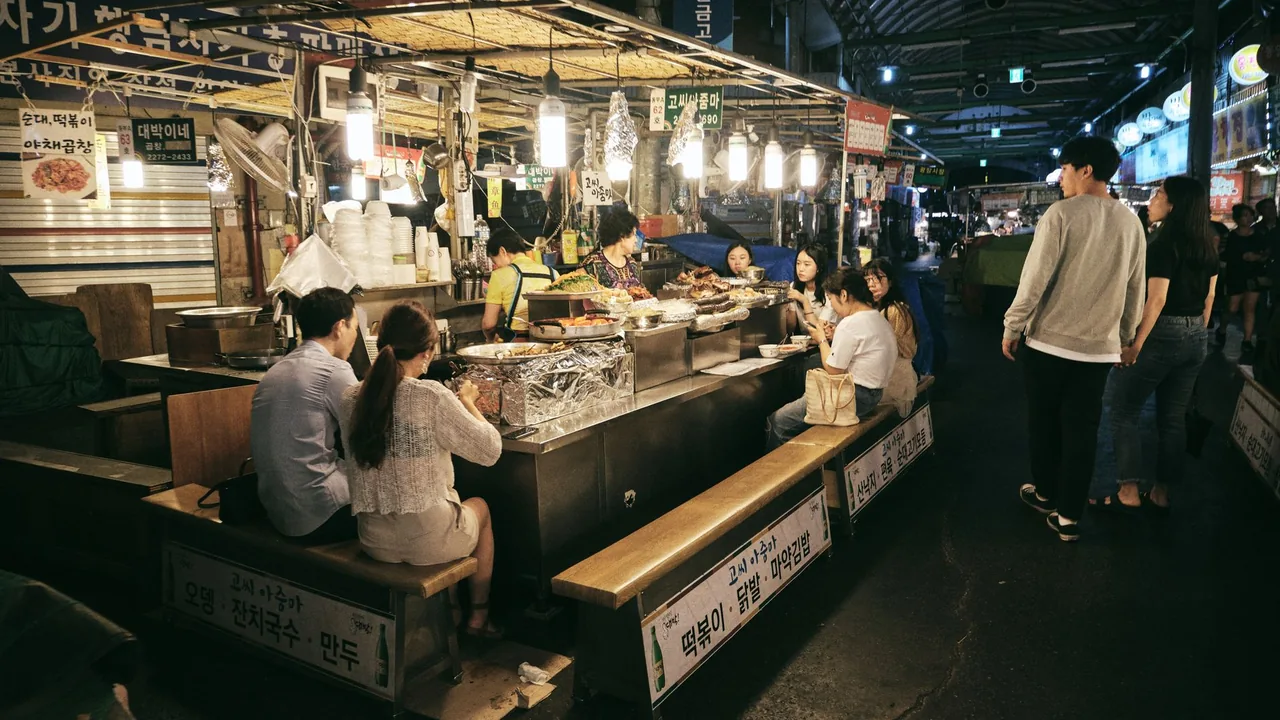
You've probably heard Seoul has the best street food in Korea. That's partly true—but what they don't tell you is that you'll pay double and elbow through tour groups to get it. Gwangju, the country's fifth-largest city and artistic heart, operates a completely different food economy after sunset. Here, a gwangju night market food stall owner will remember your face by the third visit, portions are genuinely generous, and your wallet won't feel hollow by 11 p.m. If you're serious about eating like a local rather than like a tourist, Gwangju's nighttime food scene is where Korea's real culinary soul lives.
Why Gwangju's Late-Night Food Scene Matters to Travelers
Gwangju isn't trying to impress outsiders. That's exactly why it's worth your time.
The city has deep roots in Korean protest history and art movements, which means the culture here is fiercely independent and unbothered by international trends. This independence translates directly to its food: vendors aren't optimizing for Instagram aesthetics or softening flavors for foreign palates. They're cooking for themselves, their families, and the office workers, students, and shift workers who emerge onto these streets when the sun goes down.
You'll find dishes here that are practically extinct in Seoul—regional specialties from Jeolla Province that vendors have perfected over decades. The prices reflect a pre-inflation Korean street food market: most items cost 5,000–12,000 KRW (roughly $3.80–$9 USD). Compare that to Seoul's 15,000–18,000 KRW norm for equivalent quality, and you're looking at genuine savings alongside genuine flavor.
Travelers often skip Gwangju entirely, racing between Seoul and Busan. That's your advantage. You'll eat at counters where the only English spoken is "yes" and "thank you," surrounded by Koreans aged 8 to 80, all there for the same reason: the food is exceptional and the vibe is unfiltered.
5 Essential Night Market Neighborhoods & Specific Spots
Location: Behind Yangnim-dong Cathedral, central Gwangju Vibe: The most established night market, packed Friday-Saturday after 8 p.m. Must-tries:
- Hotteok (honey-filled pancakes) at any stall: 4,000–5,000 KRW
- Tteokbokki (spicy rice cakes) with the signature Gwangju-style gochujang: 7,000 KRW
- Grilled corn cheese skewers (옥수수 치즈): 6,000 KRW
Yangnim-dong is the safest bet if you're visiting for the first time. The alley is narrow, well-lit, and vendors are accustomed to non-Korean speakers (though not fluent). Arrive after 8 p.m. on weekends when the full lineup of stalls opens. Expect a crowd but rarely aggressive pushing—Gwangju crowds are notably patient.
Location: Near Jaebeol Intersection, Dong-gu District Vibe: More working-class, fewer tourists, serious food focus Must-tries:
- Sundae (Korean blood sausage) platter with liver and intestines: 10,000 KRW
- Tteokgangjeong (sweet crispy rice cake): 8,000 KRW
- Kimchi jjigae (stew) in communal bubbling pots: 6,000 KRW per portion
Jaebeol is where you'll see actual Gwangju residents eating shoulder-to-shoulder at standing-room counters. The energy here is pure efficiency—people come to eat, not linger. If you want the most authentic experience without the "night market" polish, this is it. Vendors open around 9 p.m. and stay busy until 2 a.m.
Location: Central district, between Gwangju Station and downtown Vibe: Mixed tourist-local blend, wider variety, more formal seating Must-tries:
- Grilled fish cakes (eomuk) skewers: 5,000–7,000 KRW
- Gyeran-mari (rolled omelette): 6,000 KRW
- Boiled corn and eggs (계란, 옥수수): 3,000–4,000 KRW each
Geumnamno is busier and more commercialized than other areas, but that means better signage, more variety, and stalls that expect foreigners. This is a good backup if Yangnim-dong feels too crowded, or if you want to combine night market eating with evening shopping or walking.
Location: Sangmu District, slightly south of central Gwangju Vibe: Younger crowd, student-friendly prices, trendier snacks mixed with classics Must-tries:
- Korean fried chicken wings (닭다리): 8,000 KRW per 3 pieces
- Bungeo-ppang (fish-shaped pastry with red bean): 3,000–4,000 KRW
- Injeolmi-tteok (rice cake with soybean powder): 7,000 KRW
Sangmu draws university students and young professionals. The atmosphere is louder, more casual, and less rigid about "proper" eating behavior. If you want to eat while standing, chatting loudly, or making friends with strangers, this is your spot. Opens around 7 p.m. and stays lively until midnight.
Location: Near Gwangju Station, historic Chinatown area Vibe: Cross-cultural fusion, unique-to-Gwangju dishes, older vendor base Must-tries:
- Jjamppong (spicy seafood noodle soup) with Gwangju twist: 9,000 KRW
- Mandu (Korean-Chinese dumplings): 5,000–6,000 KRW per order
- Yaki (Japanese-style grilled items): 4,000–6,000 KRW
Gwangju's Chinatown has shrunk significantly, but the remaining vendors have adapted brilliantly, creating hybrid dishes that exist nowhere else in Korea. This is the most historically charged of the five areas—vendors here have been operating for 20+ years. They're worth visiting for the history and uniqueness alone.
8 Essential Etiquette & Practical Tips
- Bring cash. Most gwangju night market food stalls are cash-only or heavily prefer it. ATMs exist nearby, but you don't want to interrupt your eating rhythm. Bring 50,000–100,000 KRW ($38–$75 USD) for a full night of eating.
- Queue properly. Even chaotic-looking stalls have an order. Wait your turn, and vendors will catch your eye when ready. Don't wave money or shout.
- Point when ordering. Unless you speak Korean, pointing at what others are eating or at photos on the stall works perfectly. Say the number if you know it, or hold up fingers.
- Eat standing up without guilt. Night markets are designed for standing consumption. Sitting blocks the counter for others. It's not rude; it's the system.
- Eat quickly but not frantically. Vendors expect turnover, but they're not rushing you. Eat your portion, thank them, and move on. Lingering over one small item ties up counter space.
- Don't photograph excessively. A quick snap is fine; setting up a full photoshoot is disrespectful. Vendors are working, not performing. Be respectful.
- Say "gamsahamnida" (감사합니다). Thank you goes a long way. Vendors will remember you and may slip you extra portions next time.
- Check opening hours. Most stalls open 7–9 p.m. and close by 1–3 a.m. Weekend nights are busiest. Rainy nights are quieter but don't close entirely.
- Avoid peak times if you're uncomfortable with crowds. Weekday nights after 10 p.m. are calmer but have fewer stall options. Saturday 9–11 p.m. is peak chaos.
- Don't expect English menus or staff. Come with Google Translate or willingness to point. It's part of the authentic experience.
FAQ: Gwangju Night Market Eating
Yes, absolutely. Korean street food operates under strict health standards. Vendors have consistent regulars—they wouldn't risk their reputation with unsafe food. That said, spicy food is common; if you have a low tolerance, ask "deul-geoun gayo?" (덜 맵게요? — "less spicy?"). Temperature is another concern: food is genuinely hot. Let items cool 30 seconds before eating, especially tteokbokki. No cases of food poisoning from major night markets have been reported to foreign travelers in recent years.
Arrive between 9 p.m. and 11 p.m. for full stall selection and buzzing atmosphere without extreme overcrowding. Midnight to 1 a.m. is peak chaos on weekends. If you prefer a quieter experience, 7–8:30 p.m. or after midnight works. Weekday nights (Tuesday–Thursday) are noticeably less crowded but have 30–40% fewer stalls open.
For genuine satiation without excessive consumption, budget 25,000–40,000 KRW ($19–$30 USD). This covers 3–5 different items plus drinks. Each main item is 5,000–12,000 KRW; drinks (coffee, soda, makgeolli) are 2,000–4,000 KRW. Most travelers can eat for under $25 and leave completely full. Tipping is not customary.
Both are equally normal. Solo eating at a counter is actually preferred—vendors don't expect conversation, and you won't hold up space with group dynamics. Groups are fine too; just position yourselves tightly so others can order. Avoid clustering in front of stalls without ordering.
Order strategically: heavier items first (sundae, tteokbokki), then lighter snacks (fish cakes, fried items). Drink between stalls to cleanse the palate. Most travelers eat 2–3 major items and 2–3 small snacks in a 2–3 hour span. Don't eat with the goal of "clearing" stalls; you'll make yourself sick. Eat what genuinely interests you.
Avoid raw items (kimchi at sketchy stalls—go to reputable ones). Spicy food, while generally safe, can trigger acid reflux or IBS. Seafood-based items (jjamppong, eomuk in fish stock) can cause bloating. Ask about ingredients if you have allergies. Otherwise, Korean street food is specifically designed to be accessible and non-threatening. Stomach issues from night markets are rare if you avoid overeating.
Closing: Your Next Move
Gwangju's night markets are unmissable, but they're just the starting point for understanding this city's food culture. Ask the KORLENS AI chat for Gwangju night market and late-night food suggestions based on your interests. It is an AI assistant that replies in seconds, not a human team, and it works from Korea Tourism Organization open data. Also visiting Seoul? Seoul Local Picks covers Seoul only.
The best time to visit Gwangju's night markets is 2026—before they inevitably get more touristy. Go now, eat standing up, thank the vendors in Korean, and experience Korea the way most travelers never do.
Next Step
About this guide
KORLENS is run by one person (KunStudio, a solo studio in Korea), not an editorial team. Guides are AI drafts based on public sources; some use Korea Tourism Organization TourAPI open data. KORLENS does not claim on-site visits or scheduled re-checks, so confirm hours, prices and closures with the venue before you go. Page last edited: 2026-06-11.
Plan your Korea trip with the KORLENS AI chat
Got a follow-up question after reading this? Ask the KORLENS AI chat in plain English. It is an AI assistant, not a person, and it replies in seconds with places from Korea Tourism Organization open data.
Ask the KORLENS AI chatCurious about Korean Saju? Try sajuapp.app
1,000-year-old Korean astrology, decoded by AI — available in 9 languages.
Is it worth visiting, the best time to go, crowds and real cost.
Gwangju Luxury Guide 2026: Where the Wealthy Shop and Eat
Gwangju isn't Seoul. The luxury district here is quieter, more refined, and where real money actually spends. We've mapped it.
Gwangju for Young Travelers 2026: Music, Cafes, Street Culture
Skip Seoul's tourist crush. Gwangju's youth street culture—live music venues, indie cafes, and artist collectives—stays raw and affordable. Your insider guide t