Gwangju Cherry Blossom 2026: Best Spots and Exact Timing
Skip Seoul crowds. Gwangju's cherry blossoms typically peak 5-7 days earlier than Seoul with half the tourists. Best neighborhoods and insider spots.
The 2026 cherry blossom season has ended. Unverified 2026 bloom dates were removed from this guide. The 2027 forecast is here: Korea Cherry Blossom Forecast 2027.
# Gwangju Cherry Blossom 2026: Best Spots and Exact Timing
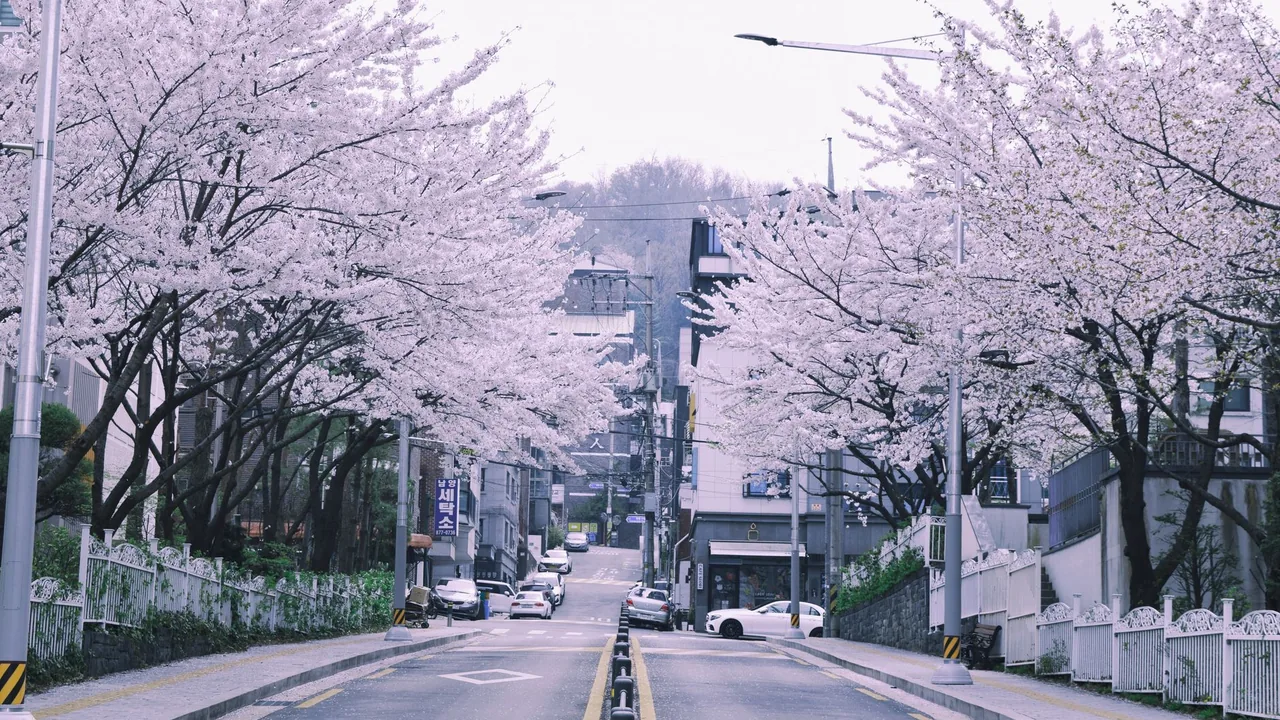
Skip the Seoul crush this spring. Gwangju's cherry blossoms typically hit peak bloom nearly a week before the capital—meaning fewer crowds, better light for photos, and actual breathing room at cafés. Most Korea travel guides ignore this city's spring scene entirely, which is exactly why you should go.
Why Gwangju Blooms Earlier (And Why That Matters)
Gwangju sits about 180km southwest of Seoul at a slightly lower latitude and warmer microclimate. This 5–7 day timing advantage isn't accidental; it's geography. While Seoul tourists jostle for position at Yeouido or Jinhae, you'll have your pick of riverside paths, temple gardens, and local festivals with zero foreigner crowds.
Peak bloom in Gwangju typically falls in late March to early April, with blossoms lasting 7–10 days depending on weather. Temperatures in Gwangju during this period hover around 10–15°C (50–59°F), so pack layers—you'll want to shed a jacket by midday but need it for evening strolls.
Five Essential Cherry Blossom Spots in Gwangju
Best Time to Visit: Early morning (7:00–8:30 AM) or sunset (5:30–7:00 PM)
This is Gwangju's most established cherry blossom destination, and it still deserves the title. The park's main loop circles approximately 1.5km, lined with 1,500+ mature cherry trees. You'll share space with families and photographers, but the sheer density of blooms makes it worth it. Entry is free; parking is 2,000 KRW per hour (aim for the main lot on the north side, which fills by 9 AM). Nearby cafés charge 5,000–8,000 KRW for coffee. Grab a gimbap or kimbap set (7,000–10,000 KRW) from vendors at the park entrance—they only operate during peak season.
Best Time to Visit: Midday (10:00 AM–3:00 PM)
Universities across Korea are underrated cherry blossom spots, and Chonnam's sprawling 500-acre campus is no exception. The tree-lined paths between academic buildings create Instagram-worthy tunnel effects without the manufactured feeling of organized festivals. Campus is open to the public year-round; enter via the main gate (Sangdong-ro entrance). No admission fee. The campus café serves decent coffee (4,000–6,000 KRW) and sandwiches (8,000–12,000 KRW). Pro tip: visit on a weekday if you can; weekends draw university alums and local families.
Best Time to Visit: Late afternoon (3:00–6:00 PM), any day
This 20km cycling and walking path runs along the Yeongsan River with intermittent cherry tree clusters. You won't find the density of Donggyeongsan, but the payoff is solitude and the sound of water. Rent a bike from vendors near Geumnamno Station (10,000 KRW for 2 hours; 15,000 KRW for 4 hours). The greenway has vendor stalls at three points selling tteokbokki (6,000 KRW) and hotteok (3,000–5,000 KRW). Walk or cycle the 3km central stretch near Geumho Park for the best bloom density.
Best Time to Visit: Morning (8:00–11:00 AM)
About 25km northeast of central Gwangju, this 16th-century scholar's garden is worth the day trip. It's quieter than city parks, with cherry trees strategically placed to frame ponds and pavilions. Admission is 3,500 KRW (students 1,500 KRW). The garden closes at 6:00 PM; get there early to avoid midday crowds. Nearby Damyang village has excellent bamboo restaurants; expect 12,000–20,000 KRW for a set meal. Rent a car (60,000–80,000 KRW/day) or take a local bus (3,000–5,000 KRW one-way) from Gwangju's intercity bus terminal.
Best Time to Visit: Morning hikes (6:30–10:00 AM)
Forest cherry blossoms mixed with mountain vistas. The gentle foothills trail near Mudeungsan National Park has scattered ornamental cherry trees and wilder bloom varieties. Trailhead parking is free; the mountain is accessed via multiple entry points. Most hikers start at the Yeonhyang-ri parking area (free). Pack water and snacks; vendors are minimal on the trails. Budget 2 hours for a moderate hike. The mountain air and canopy views beat crowded parks, though bloom density is lower.
Best Time to Visit: Evening (5:00–8:00 PM)
Smaller than Donggyeongsan, Geumho Park is where locals actually go. It's less manicured, more residential, and has excellent night bloom lighting (daily 7:00 PM–11:00 PM during peak season). The 0.8km loop around the pond is perfect for a 30-minute stroll. Entry is free; parking is 1,500 KRW per hour (free after 6:00 PM). Two small cafés near the entrance serve coffee (4,500 KRW) and pastries (5,000–7,000 KRW). This spot captures the "real Gwangju spring" feeling better than tourist parks.
Best Time to Visit: Any time (least crowded of all parks)
Situated in the Seo-gu district, Seoam is where you go when other parks feel overcrowded. It's smaller (0.4km walking loop), less trafficked, and perfect if you want cherry blossoms without the social media circus. Entry is free; street parking is available (1,500 KRW/hour). No cafés on-site, so bring your own drink. This park blooms earliest, making it ideal for late March visits.
8 Practical Tips for Gwangju Cherry Blossom Season
- Arrive before 8:00 AM at major parks. Even Gwangju's crowds triple by 9:00 AM on weekends. Most locals visit before work.
- Download offline maps. While central Gwangju has decent cell service, the parks and foothills trails sometimes lose signal. Use Naver or Kakao Map's offline mode.
- Book your guesthouse or hotel by early March. Cherry blossom season books out 2–3 weeks in advance. Budget 50,000–120,000 KRW per night for mid-range hotels.
- Bring a small blanket or mat. Many parks allow picnics on designated lawns. Koreans bring full meals; you'll see families with kimbap, fried chicken, and beer (5,000–15,000 KRW per item at convenience stores).
- Wear moisture-wicking base layers. Spring in Gwangju is deceptive—mornings are cold (8–10°C), afternoons warm (14–16°C), and evenings drop again. Layering is non-negotiable.
- Visit weekday evenings (5:00–7:30 PM) for the sweetest spot. You'll catch the golden hour, avoid peak crowds, and enjoy the parks as locals do.
- Use public transit where possible. Parking fills fast; bus fare is 1,350–2,500 KRW. Taxis are 3,500 KRW base fare + distance.
- Bring cash for park vendors and small cafés. Not all accept cards; many only take Korean credit cards or cash.
- Plan for rain. March–early April in Gwangju averages 2–3 rainy days. Blossoms fall faster after rain, but the park is quieter. Bring an umbrella and embrace the dramatic, wet bloom photos.
- Check bloom forecasts daily. Peak bloom lasts only 5–7 days. Use Korea's national cherry blossom tracker (sakura.weatheri.net or the Korea's official tourism open data app) updated every 48 hours.
Frequently Asked Questions
The 2026 season is over, and this guide does not give an observed 2026 peak date for Gwangju. At peak, 80%+ of trees are fully open and the parks look the most vibrant. The window is typically 5–7 days total, but the "peak" concentrates into 3–4 days.
Gwangju peaks about 5–7 days before Seoul (Seoul peaks around April 5–10). This timing advantage varies slightly year-to-year based on spring temperatures, but the southern timing is consistent.
Unless you're visiting with a large group (8+), private guides aren't necessary. Gwangju's major spots are straightforward to navigate independently, and guides often rush you through parks. Instead, use local hiking or cycling clubs for foothills experiences. Expect 80,000–150,000 KRW for a half-day private guide; group walking tours are 30,000–50,000 KRW and depart from the Gwangju Tourist Information Center (Geumnamno Station, exit 7).
Stay in Dong-gu (near Geumnamno) or Nam-gu (Sangdong area). Both are 10–15 minutes by taxi to major parks, walkable for restaurants and cafés, and have reliable accommodation at all price points (budget 50,000–150,000 KRW/night). Avoid staying too far south unless you're specifically visiting Soswaewon; commute times double.
Yes, but conditions degrade. By April 8–10, 60–70% of petals have fallen. Late-blooming varieties (some ornamental cultivars) last until April 10–12 in Gwangju's cooler foothills. If you're arriving after April 5, head to Mudeungsan foothills or smaller neighborhood parks rather than main parks. Bloom quality drops significantly.
Visit Seoam Park (free entry) or the Yeongsan River Greenway (free, but bike rentals are 10,000 KRW). Pack your own snacks from convenience stores (GS25, CU, Emart24) where rice balls are 2,500–3,500 KRW and coffee is 1,500–2,500 KRW. This reduces your daily cost to roughly 15,000–20,000 KRW versus 40,000+ KRW at touristy parks with restaurant meals.
Final Thoughts: Go Now, Skip the Seoul Crowds
Gwangju's cherry blossom season isn't secret anymore—but it's still quieter, earlier, and more authentic than Seoul's festival circus. Check the Korea Meteorological Administration forecast each March, book accommodation early, and experience spring the way locals actually do: without fighting through thousands of tourists for a photo.
Ask the KORLENS AI chat for Gwangju spring blossom spot suggestions based on your interests. It is an AI assistant that replies in seconds, not a human team, and it works from Korea Tourism Organization open data. Also visiting Seoul? Seoul Local Picks covers Seoul only.
See you in Gwangju come spring.
Next Step
About this guide
KORLENS is run by one person (KunStudio, a solo studio in Korea), not an editorial team. Guides are AI drafts based on public sources; some use Korea Tourism Organization TourAPI open data. KORLENS does not claim on-site visits or scheduled re-checks, so confirm hours, prices and closures with the venue before you go. Page last edited: 2026-10-04.
Plan your Korea trip with the KORLENS AI chat
Got a follow-up question after reading this? Ask the KORLENS AI chat in plain English. It is an AI assistant, not a person, and it replies in seconds with places from Korea Tourism Organization open data.
Ask the KORLENS AI chatCurious about Korean Saju? Try sajuapp.app
1,000-year-old Korean astrology, decoded by AI — available in 9 languages.
Is it worth visiting, the best time to go, crowds and real cost.
7 Best Day Trips from Gwangju (2-Hour Radius, 2026)
Skip the Seoul crowds. Gwangju's countryside hides serene temples, rural markets, and coastal gems within 2 hours. Your insider's guide to authentic South Korea
Gwangju 3-Day Itinerary for First-Time Visitors (2026)
Skip the Seoul crowds. Gwangju offers authentic Korean culture, world-class museums, and a vibrant local food scene without the tourist markup. Here's your insi