Daegu's Hidden Restaurants Locals Don't Want You to Know (2026)
Skip the touristy chains. Discover Daegu's genuine hidden alley restaurants where locals eat daily—with real prices, no English menus, and food that'll change h
# Daegu's Hidden Restaurants Locals Don't Want You to Know (2026)
If you're eating at restaurant chains in Daegu, you're already lost. The real food scene happens in narrow alleys where the menu is handwritten, the owner's been there for 20 years, and nobody's waiting for your Instagram post. This isn't gatekeeping—it's just how Daegu works. The hidden restaurants locals actually eat at operate on a different logic than tourist-friendly establishments, and once you understand that logic, you'll eat better and spend less money.
What 'Hidden' Really Means in Daegu's Restaurant Scene
When we say "hidden," we don't mean impossible to find. We mean restaurants that:
- Have no English signage or menus — Google Translate becomes your best friend
- Operate on micro-reputation networks — discovered by word-of-mouth, not review sites
- Don't chase tourist dollars — prices stay reasonable because locals are the customer base
- Often lack a physical storefront — they're tucked into basement alleys ("bangeul") or residential buildings
- Serve single-item obsession — the kitchen does one thing, and does it for decades
Daegu's hidden restaurants aren't trying to be exclusive. They're simply prioritizing consistency and quality for the people who live here. That's your advantage as a visitor: you're getting access to a system built for locals' standards, not tourist tolerance levels.
The best hidden alley restaurants in Daegu cluster around three zones: the area between Banwoldang Station and Dongseongno (the old downtown), Suseong-gu's residential neighborhoods, and the side streets near Kyungpook National University. These aren't glamorous districts, but they're where people actually eat.
5 Neighborhoods + 7 Specific Spots You Need to Know
What to eat: Cold buckwheat noodles (makguksu) and spicy dumplings (mandu)
Hidden spot: 산길 (Sangil) Location: Just off Bansong-ro near Banwoldang Station (look for the small signage) Price: Makguksu 8,500₩ | Bibim-makguksu 9,500₩ | Mandu 8,000₩
Sangil doesn't advertise. The owner learned makguksu in the mountains (literally—the name means "mountain road"), and that's all they serve. The broth is made daily from anchovy and kelp, and the buckwheat noodles are chewy enough that you'll hear Daegu locals slurping two tables over. Arrive before noon or after 1:30 PM; lunch rush is 12–1 PM and it fills every seat.
What to eat: Jjim (steamed meat dishes) and traditional Korean small plates
Hidden spot: 대동반찬 (Daedong Banchans) Location: Basement level, alley off Dongseongno near the old textile district Price: Jjim sets 15,000–18,000₩ | Banchans à la carte 3,000–7,000₩
This is a side-dish (banchan) shop that also does made-to-order jjim. Daegu families come here for holiday meals and everyday dinners. The space is fluorescent-lit and cramped, zero aesthetic appeal—but the dakgangjeong (sweet-spicy fried chicken chunks) and the seasoned spinach are made the way grandmothers make them. No menu. Point at what you want. Cash preferred (they take cards, but it slows things down).
What to eat: Kalguksu (handmade knife-cut noodles) and kimchi jjigae stew
Hidden spot: 손으로 빚은 (Soneuro Jisseun — "Handmade") Location: Residential alley near Suseong Station, behind a convenience store Price: Kalguksu 9,000₩ | Kimchi jjigae 10,500₩ | Pajeon 8,000₩
The owner literally makes the dough each morning. Kalguksu here is silky, not doughy, because she's been hand-cutting noodles for 18 years. The kimchi jjigae contains chunks of actual pork belly (not just broth), and they serve it with housemade kimchi that changes flavor month to month. Tables are small; you'll eat elbow-to-elbow with regulars. This is intentional. It's community food.
What to eat: Sashimi (hoe), grilled mackerel (godeungeo gui), offal soup (gopchangjjim)
Hidden spot: 해린이 (Haerini) Location: Side street entrance to Banwoldang Market, ground floor Price: Mackerel set 16,000₩ | Fresh hoe plate 20,000–30,000₩ | Gopchangjjim 12,000₩
Haerini sources from the market's fish vendors and serves it the same day. The sashimi is cold, fresh-cut, and served with a soy-wasabi sauce that's tart. If you arrive after 4 PM, they'll have grilled mackerel—smoky, flaky, with perilla leaves and raw garlic. The gopchangjjim (ox small intestine stew) is a local obsession; it's only available Thursday–Sunday. Korean only. Come hungry and be ready to eat what the owner recommends.
What to eat: Bibimbap, galbijjim, affordable set meals (bapsang)
Hidden spot: 공기밥 (Gonggi Bap — "Rice Bowl") Location: Back alley behind the university's west gate Price: Bibimbap 7,500₩ | Galbijjim 11,000₩ | Set meals 9,000–12,000₩
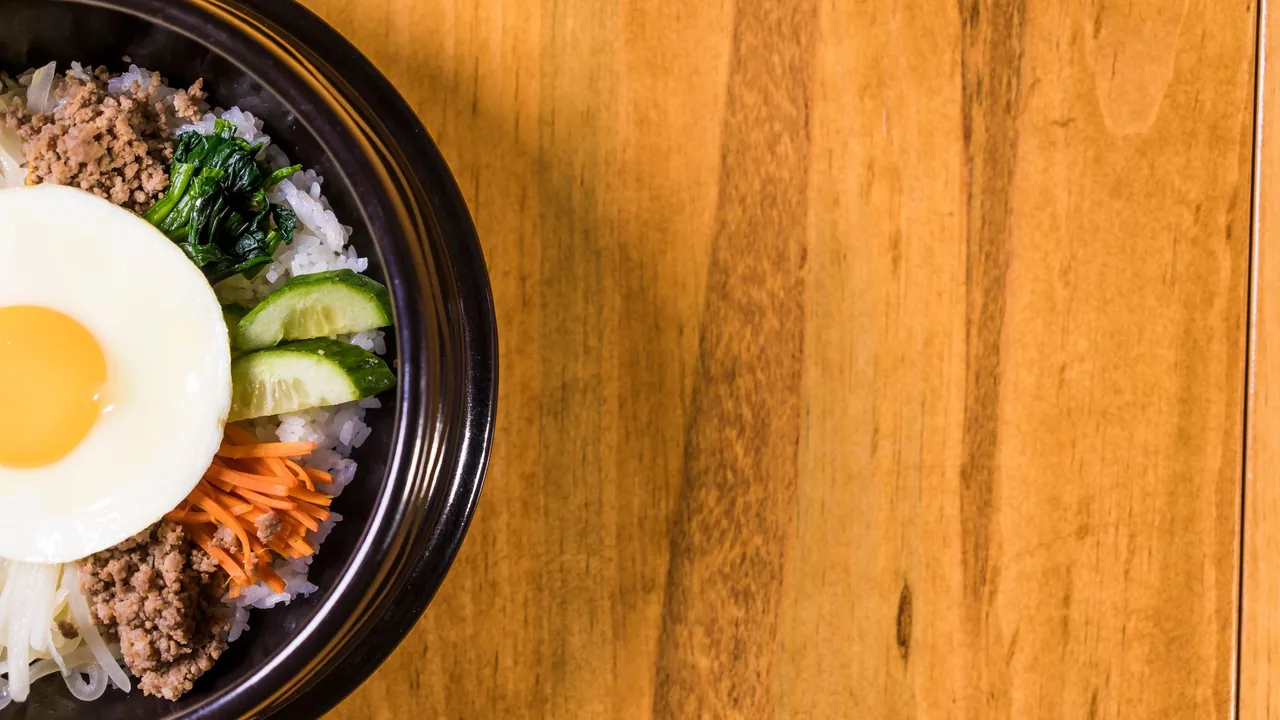
Gonggi Bap is a canteen-style restaurant where students and construction workers eat. The bibimbap is made-to-order; they fry the rice in a hot stone bowl until it crackles, then mix it with seasoned vegetables and gochujang. Portions are enormous. The owner will add an egg for an extra 1,500₩. It's chaotic, loud, and perfect. No reservations. You'll wait 10–15 minutes during meal hours.
What to eat: Steamed galbi (ribs) and boiled pork belly (sukhoe)
Hidden spot: 서부식당 (Seobu Sikdang) Location: Directly adjacent to Seobu Market entrance Price: Galbijjim 14,000₩ | Sukhoe plate 13,000₩ | Soups 8,000₩
This is where meat sellers from the market eat lunch. The galbijjim is made with cuts of galbi that didn't sell that morning—incredibly tender, seasoned with soy and ginger, steamed until they fall apart. Sukhoe is boiled pork belly sliced thin and served with ssamjang (Korean spicy sauce). The broth from both dishes is liquid umami. Arrive 11:30 AM–1:30 PM or 5–7 PM. Off-hours, they might be closed.
What to eat: Naengmyeon (cold noodles), grilled skewers (yakitori-style)
Hidden spot: 동문누들 (Dongmun Noodle — local name: 냉면 할머니, "Naengmyeon Grandma") Location: Inside Dongmun Market, follow the smell of broth Price: Naengmyeon 9,000₩ | Bibim-naengmyeon 9,500₩ | Tteokbokki 6,000₩
The owner is literally a grandmother (할머니). She makes naengmyeon broth from beef bones and perilla leaves—it's sweet-savory and slightly herbal. The noodles are chewy and satisfying. Every bowl comes with a tiny plate of kimchi and pickled radish. Summer months are chaotic; winter is peaceful. Come in off-hours if you want to sit longer than 20 minutes.
8 Essential Etiquette & Practical Tips
- Bring a translation app — Download Papago or Google Translate. Screenshot the Korean characters for dishes you want. The app won't be perfect, but it's better than pointing randomly.
- Cash is still king — Many hidden restaurants don't have card readers, or charge 2–3% surcharge if they do. Withdraw 50,000–100,000₩ before you go.
- Arrive during non-peak hours — Locals eat 12–1 PM and 6–7 PM. You want to avoid these windows unless you love standing in lines. Go at 11 AM, 2 PM, or 8 PM for a more relaxed experience.
- Don't expect menus written in English — Some places have laminated menus; others just shout dish names. Listen to what other customers order and repeat it. Koreans do this constantly and nobody minds.
- Respect the queue culture — If there's a line, join it and wait. No cutting, no "can I just pop in for a quick order." These restaurants operate on timing; they'll have a table for you when it's ready.
- Learn these five words:
- "주문할게요" (jumuun-halgeyo) = "I'm ready to order"
- "이거" (igeo) = "this" (point at the dish)
- "물 주세요" (mul juseyo) = "water please"
- "계산서" (gyesanseo) = "check/bill"
- "감사합니다" (gamsahamnida) = "thank you"
- Don't photograph without asking — While Instagram culture is huge in Korea, some neighborhood restaurants prefer privacy. A quick "사진 괜찮아요?" (photo okay?) is respectful and usually gets a smile.
- Tip is not expected, but respect is — Korea doesn't have a tipping culture. Instead, say "잘 먹겠습니다" (well eat) when you sit and "잘 먹었습니다" (ate well) when you leave. It's more meaningful than money.
- Be prepared for speed — Hidden restaurants move you through your meal. They're not trying to be rude; they just have a system. Finish eating, pay, leave. Social lingering is for coffee shops.
- Ask for recommendations — "뭐가 제일 유명해요?" (what's most famous?) will get you the dish the owner wants you to eat. Trust it.
FAQ: Hidden Daegu Restaurant Questions
A: Use Naver Map or Kakao Map (Korean apps with better local coverage). Search by neighborhood name + "restaurant" (식당). You can also ask hotel staff—they often know the real spots. Another option: walk the alleys I've mentioned during lunch hours and follow your nose and the crowds. Locals eat where locals eat, and that's visible.
A: In Daegu's hidden restaurant culture, aesthetics don't correlate with food quality. A cramped, fluorescent-lit basement with peeling paint might serve the best jjigae you've ever eaten. Judge by cleanliness of the kitchen (visible when they're cooking) and how busy it is with locals—not by interior design. That said, trust your gut. If something feels genuinely unsafe, leave.
A: Yes, typically 15–30% cheaper for better quality. A set meal at a hidden spot (rice, soup, protein, five sides) costs 10,000–14,000₩. A comparable meal at a chain costs 13,000–16,000₩. The portions are also larger at hidden restaurants. Your money stretches further and tastes better.
A: Most don't take reservations. Call ahead if you want to ask about the day's menu ("오늘 뭐 있어요?") but expect to be told "come now" or "come later." A few of the jjim places (Daedong Banchans, Seobu Sikdang) will hold a table if you call, but it's not guaranteed. Flexibility is part of the hidden restaurant experience.
A: This is genuinely difficult. Korean hidden restaurants rarely accommodate dietary restrictions—soy sauce, fish sauce, and meat stock are in almost everything. Communicate clearly using your translation app, but set expectations low. Vegetarian options exist (kimchi, seasoned vegetable sides, simple rice dishes) but the menu isn't designed around them. Plan to eat a lot of banchan sides.
A: Not at all. Owners of hidden restaurants are proud of their work and will talk about it if they have time. Asking "이거 어떻게 만들어요?" (how do you make this?) or "재료가 뭐예요?" (what's the ingredient?) will usually get a detailed answer. They might even invite you to watch. This kind of genuine interest is respected.
Final Word: The Real Daegu Food Scene Awaits
The hidden restaurants of Daegu aren't hidden because they're exclusive. They're hidden because they operate on local time, not tourist time. They serve people who live here, eat here, and will return tomorrow. When you walk into one of these spaces, you're not a customer—you're a temporary member of a community.
Start with the neighborhoods listed above. Bring patience, cash, and a willingness to eat what you don't recognize. Your palate will adjust. Your expectations will shift. And you'll understand why locals don't really want tourists knowing about these places—not out of meanness, but because there are only so many seats, and they're reserved for people who've been coming back for years.
But you're here now. Eat well.
Ask the KORLENS AI chat for Daegu restaurant suggestions based on your interests. It is an AI assistant that replies in seconds, not a human team, and it works from Korea Tourism Organization open data. Also visiting Seoul? Seoul Local Picks covers Seoul only.
Next Step
About this guide
KORLENS is run by one person (KunStudio, a solo studio in Korea), not an editorial team. Guides are AI drafts based on public sources; some use Korea Tourism Organization TourAPI open data. KORLENS does not claim on-site visits or scheduled re-checks, so confirm hours, prices and closures with the venue before you go. Page last edited: 2026-06-02.
Plan your Korea trip with the KORLENS AI chat
Got a follow-up question after reading this? Ask the KORLENS AI chat in plain English. It is an AI assistant, not a person, and it replies in seconds with places from Korea Tourism Organization open data.
Ask the KORLENS AI chatCurious about Korean Saju? Try sajuapp.app
1,000-year-old Korean astrology, decoded by AI — available in 9 languages.
Is it worth visiting, the best time to go, crowds and real cost.
Best Jjimjilbang (Korean Spa) in Daegu for Foreigners (2026)
Skip the tourist traps. Here's where locals actually go for jjimjilbang in Daegu—real prices, unwritten rules, and why you're probably doing it wrong.
Daegu Nightlife Guide 2026: Bars, Clubs, and Late Eats
Skip Seoul. Daegu's nightlife scene is rawer, cheaper, and packed with local energy. Here's where insiders actually go.