Jeju Island 5-Day Itinerary for First-Time Visitors (2026)
A realistic 5-day Jeju Island itinerary for first-time visitors — east coast vs. west coast, volcano hikes, hidden cafes, and how much it actually costs.
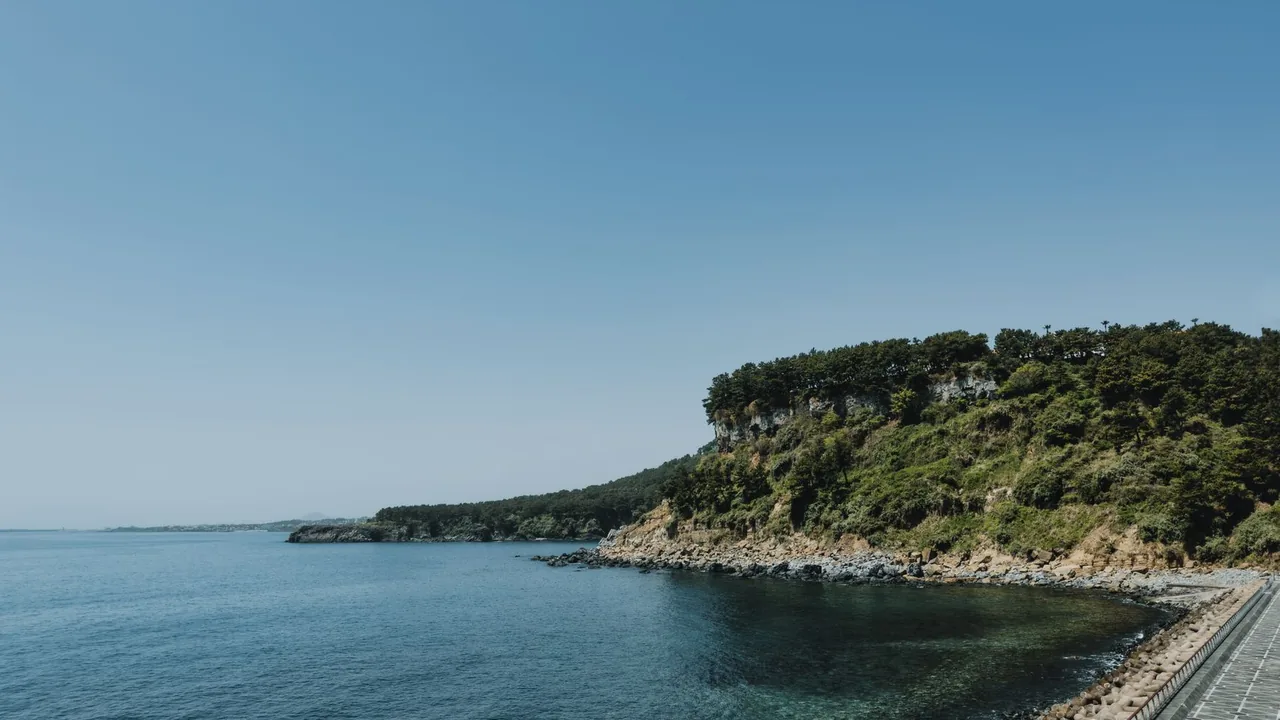
Jeju is the easiest place in Korea to get wrong on a first trip. The island looks small on the map — about 73 kilometers across — but the road network forces you east-or-west, not loop-around. Try to see everything in three days and you will spend the trip in a rental car. Take five days and you can actually walk on a beach, hike a volcano, eat a black-pork BBQ dinner, and still have time to sit in a cafe watching the ocean. Here is the itinerary we send to KORLENS users planning their first Jeju trip.
Before You Go: 4 Things to Know
Jeju has buses, but routes are infrequent and stops are far from most scenic spots. A small rental car (think Hyundai Casper or Kia Morning) costs ₩35,000–₩55,000 per day ($25–$40) and includes basic insurance. International Driving Permit (IDP) required — get it from your home country's automobile association before you fly.
First-timers often book a single hotel near the airport in Jeju City and try to day-trip everywhere. Don't. The east and west coasts of Jeju are 90 minutes apart and feel like different islands. Spend 2 nights in the east (Seongsan or Pyoseon area) and 2–3 nights in the west (Hyeopjae or Aewol area).
Jeju gets rain on roughly 40% of days, even in spring and autumn. Bring a light waterproof jacket. The upside: Jeju is windier and cooler than mainland Korea, which makes summer hikes pleasant.
For 5 days, a couple should expect ₩900,000–₩1,400,000 ($650–$1,000) total, excluding flights — that covers a mid-range hotel, car, food at neighborhood restaurants (not luxury), and admission to the major scenic sites.
Day 1: Arrive + East Coast Light
Morning (flight in, pickup): Most domestic flights from Seoul (Gimpo or Incheon) to Jeju International Airport take about 70 minutes. Pick up your rental car at the airport — agencies have desks just outside arrivals. Allow 45 minutes for paperwork.
Afternoon (drive east): Head straight to your east-coast base. The drive from the airport to Seongsan is 60–75 minutes on Highway 12. Stop at Hamdeok Beach along the way for your first ocean view. The water here is the famous Jeju turquoise, especially under sunlight.
Evening (Seongsan): Check in, then walk to a heuk-dwaeji (Jeju black pork) restaurant for dinner. Black pork is Jeju's signature meat — fatter, sweeter, and more flavorful than mainland pork. Expect ₩25,000–₩35,000 per person.
Stay: A guesthouse or boutique hotel in Seongsan-eup. Budget ₩90,000–₩160,000 per night.
Day 2: Seongsan Sunrise + Udo Island
Pre-dawn (optional): Climb Seongsan Ilchulbong (Sunrise Peak) for sunrise. It is a 20-minute hike up a tuff cone formed by a volcanic eruption 5,000 years ago. The crater at the top is wide and grassy. UNESCO World Heritage. Admission ₩5,000. Even non-morning people should do this — the light at 6 a.m. is unreal.
Morning (ferry to Udo): Drive 10 minutes to the Seongsan ferry terminal and take the 15-minute ferry to Udo ("Cow Island"), a 6-square-kilometer islet off Jeju's east tip. Rent an electric scooter or bike on the island (₩20,000–₩30,000) and loop the coast in 2–3 hours. The white-sand beach at Sanho (coral beach) and the black-rock cliffs at Geommeolle are the highlights.
Lunch: Udo is famous for peanut ice cream and jjajangmyeon with sea urchin. Both are tourist food and both are good.
Afternoon (back to mainland Jeju): Return ferry to Seongsan. Drive 25 minutes inland to Seopjikoji, a coastal headland with sea cliffs and a lighthouse. Free admission. Easy 1-hour walk.
Evening: Casual dinner near your hotel — try Jeju gogi-guksu (pork noodle soup), a hearty bowl of wheat noodles in pork-bone broth topped with slices of slow-cooked pork. ₩9,000–₩12,000.
Day 3: Cross to the West Coast (East → Center → West)
Morning (volcano country): Drive inland from Seongsan to Sangumburi Crater (40 minutes), a flat-bottomed volcanic crater you can hike around in 45 minutes. Admission ₩7,000. The grasslands here turn gold in autumn and bright green in late spring.
Lunch: Stop in central Jeju at a country-style restaurant for galchi jorim (braised hairtail) or ttukbaegi-bulgogi (stone-pot bulgogi). Avoid the tourist traps right off the main highway — drive 5 minutes into any village.
Afternoon (Hallasan or Manjanggul): You have a choice based on weather:
- If clear and you have stamina: Hike Hallasan, Korea's highest mountain at 1,947 meters. The Seongpanak trail (9.6 km one way, 8 hours round-trip) is the most popular. Free, but you must reserve a permit online 7+ days in advance for the summit-bound trails (Hallasan reservations). Casual hikers can do the shorter Eorimok or Yeongsil trails, which finish in 4–5 hours and don't require a permit.
- If rainy or low on energy: Visit Manjanggul Lava Tube (₩4,000 admission, 1 km accessible underground). Cool, dry, and surreal.
Evening (arrive west coast): Drive 60–80 minutes to Hyeopjae or Aewol on the west coast. Check in. Light dinner.
Stay: West-coast guesthouse or hotel. Budget ₩100,000–₩200,000 per night.
Day 4: West Coast — Beaches, Cafes, Sunsets
The west coast is where Jeju shows off. White sand, turquoise water, a 30-kilometer string of cafes along Highway 1132 with floor-to-ceiling ocean views.
Morning (Hyeopjae Beach + Biyangdo view): Hyeopjae Beach has the brightest turquoise water and finest white sand on Jeju. Walk 10 minutes south to Geumneung Beach — equally beautiful, half the crowds. The volcanic cone of Biyangdo Island floats offshore.
Late morning (cafes): Aewol's coastal road has more than 100 cafes. The Korean tourism board promotes the area as "Cafe Street" and it earns the name. Pick one with a north-facing terrace. Coffee runs ₩6,500–₩9,000.
Afternoon (Suwolbong sunset prep): Drive 25 minutes south to Suwolbong, a small coastal peak on the western tip. Park and walk 15 minutes up. The view stretches to the Yellow Sea and, on clear days, to Marado Island.
Sunset: Drive 10 minutes to Geumneung Beach or stay at Suwolbong. Sunset in Jeju, October to March, falls between 5:30 p.m. and 6:00 p.m. — earlier than mainland Korea.
Dinner: Heuk-dwaeji round two, or grilled mackerel (godeungeo gui). Hyeopjae village has a cluster of family-run restaurants.
Day 5: Olle Trail Walk + Departure
Morning (Olle Trail Route 14 or 15): The Jeju Olle Trail is a 437-kilometer network of 27 walking routes that loop the island. You won't do all of it. But a 2-hour walk on a single route is the ideal Jeju goodbye. Routes 14 and 15 (Hallim to Hagwi) hug the northwest coast and pass through small fishing villages. The Olle Foundation maintains the trails (Jeju Olle).
Wear sneakers. Bring water. Don't worry about getting lost — the trails are marked with orange and blue ribbons every 50 meters.
Lunch: Seafood at a port restaurant — try moeumtang (mixed seafood stew) or sashimi (called hoe in Korea).
Afternoon (drive to airport): Allow 60–90 minutes to reach Jeju Airport from the west coast, plus 30 minutes to return the rental car. Domestic flights to Seoul (Gimpo) board fast — arrive 60 minutes before departure.
What This Costs (Per Couple)
- Flights Seoul ↔ Jeju (LCC): ₩140,000–₩220,000 round trip
- Rental car 5 days: ₩200,000–₩280,000
- Fuel: ₩60,000–₩90,000
- Accommodation 4 nights: ₩440,000–₩700,000
- Food: ₩250,000–₩400,000
- Admissions and ferries: ₩60,000–₩100,000
- Total: ₩1,150,000–₩1,790,000 ($830–$1,290)
What to Pack
- Layers — Jeju is windier and cooler than Seoul. A light fleece is useful even in May.
- Waterproof jacket — see weather note above.
- Sneakers with grip — for Hallasan, Seongsan, and Olle Trail walks.
- A small daypack with water, sunscreen, and snacks.
- An IDP (International Driving Permit) printed and stapled to your passport for car rental.
Common Mistakes First-Timers Make
- Booking only one hotel near the airport. You will spend the whole trip in the car. Split east and west.
- Skipping the rental car. Public buses are slow and infrequent. The car pays for itself by Day 2.
- Trying to hike Hallasan without a permit. The summit-bound trails (Seongpanak and Gwaneumsa) require advance reservation. Walk-ups are turned away.
- Overpacking the schedule. Jeju is meant to be slow. Cut one item per day if you feel rushed.
- Eating only at tourist-marked restaurants. Drive 5 minutes off the highway and you will find better food at half the price.
When to Visit
- April–May: Cherry blossoms in early April, rapeseed flowers in May. Pleasant temperatures (15–22°C). Best overall.
- June: Hydrangeas bloom. Rainy season starts mid-June.
- July–August: Peak summer, peak prices, peak crowds. Hot and humid. Good for beach swimming.
- September–October: Second-best season. Cool, dry, golden grasslands.
- November–February: Off-peak. Mild for Korea (5–12°C) but windy. Hotels are 30–40% cheaper.
The two weeks to absolutely avoid: Lunar New Year and Chuseok (Korean Thanksgiving), when domestic flights and hotels triple in price.
FAQ
Do I need a visa to visit Jeju? Jeju has a visa-free entry policy for citizens of more than 180 countries, including the US, Canada, UK, Australia, and most of Europe. You can stay up to 30 days. Note: visa-free Jeju entry does NOT let you travel to mainland Korea — that requires a regular Korea visa or K-ETA.
Is Jeju good for solo travelers? Yes. Hostels in Jeju City and around Seongsan are common, Olle Trail walking is solo-friendly, and most cafes welcome single diners. Black pork BBQ restaurants sometimes require a 2-portion minimum — go for galchi or pork noodle soup as a solo dinner instead.
Can I do Jeju without renting a car? It is possible but slow. Use buses for the airport-Jeju City and major scenic spots, and taxis for shorter hops. Plan for 7+ days if going carless and accept that you will skip 30% of the highlights.
What's the best month to visit Jeju? Late April through May (canola flowers, mild weather) and late September through October (golden grasslands, clear skies) are the two prime windows. Both have low rain and comfortable temperatures.
Is Hallasan worth hiking? If you are physically capable and the weather is clear, yes. The full Seongpanak summit route is 8 hours and tough. The shorter Eorimok and Yeongsil trails (4–5 hours) give you the alpine views without the suffering.
Plan Your Jeju Trip With a Local
This itinerary covers the classic first-timer route. For custom requests — surfing in Jungmun, diving with Haenyeo (women free-divers), a Jeju food crawl, or a family-with-kids variant — ask the KORLENS AI chat for place suggestions. It does not plan routes or book anything, so check each place's official page for details. It is an AI assistant that replies in seconds, not a human team, and it works from Korea Tourism Organization open data.
For more Korea travel inspiration or help picking places for your Jeju days, ask the KORLENS AI chat. It is an AI assistant that replies in seconds, not a human team, and it works from Korea Tourism Organization open data. Also visiting Seoul? Seoul Local Picks covers Seoul only.
Next Step
About this guide
KORLENS is run by one person (KunStudio, a solo studio in Korea), not an editorial team. Guides are AI drafts based on public sources; some use Korea Tourism Organization TourAPI open data. KORLENS does not claim on-site visits or scheduled re-checks, so confirm hours, prices and closures with the venue before you go. Page last edited: 2026-05-14.
Plan your Korea trip with the KORLENS AI chat
Got a follow-up question after reading this? Ask the KORLENS AI chat in plain English. It is an AI assistant, not a person, and it replies in seconds with places from Korea Tourism Organization open data.
Ask the KORLENS AI chatCurious about Korean Saju? Try sajuapp.app
1,000-year-old Korean astrology, decoded by AI — available in 9 languages.
Is it worth visiting, the best time to go, crowds and real cost.
Best time to visit Jeju, month by month →Best Korean BBQ Restaurants in Seoul for Foreigners (2026)
A local's guide to Seoul's best Korean BBQ for foreign visitors — where to find English menus, how to order, etiquette tips, and neighborhoods locals actually e
10 Hidden Restaurants in Seoul Locals Actually Visit
Skip the Instagram-famous chains. These ten Seoul restaurants — across Seochon, Mangwon, Euljiro and Yeonnam — are where Seoulites actually eat. A practical, locals-first guide.