Best Korean BBQ Restaurants in Seoul for Foreigners (2026)
A local's guide to Seoul's best Korean BBQ for foreign visitors — where to find English menus, how to order, etiquette tips, and neighborhoods locals actually e
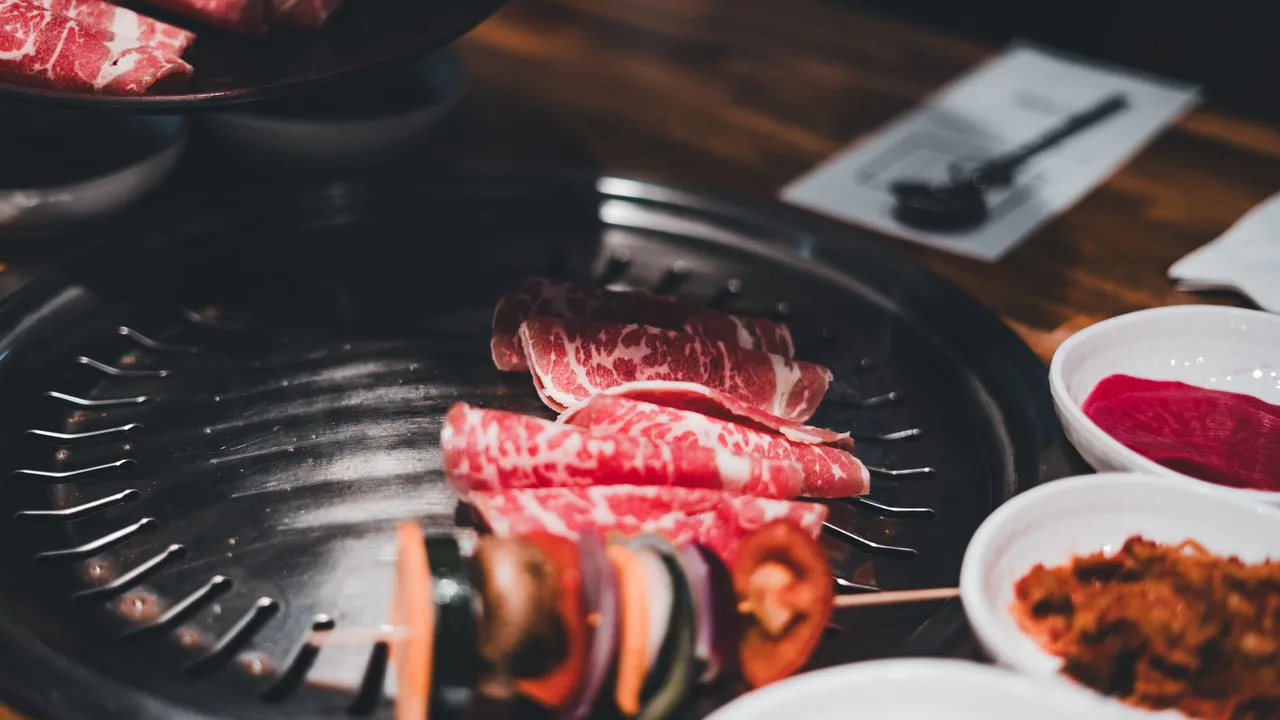
Korean BBQ is the first meal most foreigners want when they land in Seoul — and the one that confuses them the most. Do you grill the meat yourself? Why does the server keep cutting it with scissors? What is in those little side dishes? This guide answers all of that, then points you to seven Korean BBQ restaurants in Seoul that are genuinely good, foreigner-friendly without being touristy, and worth the won.
What Korean BBQ Actually Is
In Korea, BBQ (called gogi-gui, literally "grilled meat") is less a single dish than a category. The three meats foreigners encounter most are samgyeopsal (pork belly), galbi (marinated short rib, beef or pork), and deungsim (sirloin). Each is grilled at the table over charcoal or gas, cut with scissors, and eaten by wrapping a piece of meat in lettuce or perilla leaf with a bit of ssamjang (fermented soybean paste), garlic, and rice. A typical meal costs ₩25,000–₩60,000 per person ($18–$43) depending on the cut and neighborhood.
The table will also be covered in banchan — small side dishes like kimchi, pickled radish, soybean sprouts, and seasoned scallions. These are free and refillable. Ask for more by saying "banchan deo juseyo" (please give me more banchan).
How to Choose: Pork vs. Beef BBQ
Foreigners often ask which is better. The honest answer: it depends on budget and taste.
- Pork belly (samgyeopsal): The everyday Korean BBQ. Affordable (₩15,000–₩22,000 per portion), fatty, deeply satisfying. Best for first-timers.
- Beef galbi: Marinated, sweet, tender. Slightly pricier (₩30,000–₩50,000 per portion). Great for celebrations.
- Hanwoo (premium Korean beef): The Wagyu of Korea. ₩50,000–₩120,000 per portion. A special-occasion meal — book ahead.
If this is your first Korean BBQ trip, start with samgyeopsal. You can always upgrade on the next visit.
7 Korean BBQ Restaurants in Seoul Worth Your Time
Mapo is the unofficial pork-belly capital of Seoul. The neighborhood around Gongdeok Station has dozens of charcoal BBQ shops where the staff grill the meat for you — meaning all you have to do is sit and eat. Look for a place with a queue of office workers around 7 p.m. on a weekday; that is the signal. English menus are rare here, but pointing at photos works fine. Expect ₩20,000–₩28,000 per person.
For beef short rib, look for restaurants advertising yangnyeom galbi (marinated) or saeng galbi (unmarinated). Mapo-style galbi is salt-grilled and lets the beef speak for itself; Suwon-style is sweeter and stickier. Both are valid. Mid-range places run ₩35,000–₩45,000 per person.
Majang-dong, in eastern Seoul, is where restaurants buy their beef. You can do the same — pick out the cut at a butcher counter, then take it to one of the attached grill rooms upstairs. The markup is gone, so you eat top-grade hanwoo for the cost of a mid-tier steakhouse elsewhere. Plan ₩60,000–₩90,000 per person.
Euljiro's printing-district alleyways hide some of Seoul's oldest BBQ joints — tin-roofed, smoke-stained, run by the same family for 40 years. The crowd is older, the prices are 1990s-cheap (₩18,000 per person is doable), and the meat is grilled over real charcoal. No English menus. Bring a phone with Papago or use Naver Map's built-in translation.
If you want zero language barrier, Itaewon (especially the Gyeongnidan-gil side) has a cluster of BBQ places with full English menus, English-speaking staff, and craft beer on tap. Slightly pricier (₩35,000–₩50,000 per person) but stress-free for a first night in Seoul.
Korean BBQ is, by default, meat-heavy — but a few Hongdae restaurants now serve mushroom skewers, halloumi-style cheese, and grilled tofu alongside the standard cuts. Search Naver Map for "vegetarian Korean BBQ Hongdae" and filter by recent reviews. Useful if your group is mixed.
Sungsu-dong, Seoul's Brooklyn equivalent, has reinvented Korean BBQ with cocktails, vinyl music, and matte-black interiors. The meat is still good — just expect a 30% design tax. Around ₩45,000–₩60,000 per person. Best for couples or photo-driven trips.
Korean BBQ Etiquette: 10 Things Foreigners Get Wrong
Koreans rarely correct foreigners directly, but doing these things will earn quiet respect from your server and tablemates.
- Let someone else grill if they offer. Servers in mid-range and up restaurants will often grill the meat for you. Don't fight them for the tongs.
- Don't flip the meat too often. Once per side is plenty.
- Wrap, don't pile. Take one piece of meat, one slice of garlic, a dab of ssamjang, and wrap it in one leaf. Then eat in one bite. Two bites is a faux pas — sauce gets on your face.
- Pour drinks for others, not yourself. Especially soju. Hold the bottle with two hands when pouring for an elder.
- Receive drinks with two hands too — or one hand and the other lightly touching your wrist.
- Don't stick chopsticks upright in rice. This is a funeral offering and deeply taboo.
- Use scissors to cut, not the knife. Korean BBQ tables come with scissors. They are not weird — they are the tool.
- Refill banchan freely. It is included. Asking for more is normal, not greedy.
- Mix the cold noodles (naengmyeon) before eating. If you order it as a finisher, the server may pour vinegar and mustard — that is for you to mix in.
- Settle the bill at the counter, not at the table. You walk up to the cashier on the way out.
How Much to Budget
A reasonable Korean BBQ dinner in Seoul, including two beers or a bottle of soju, runs ₩30,000–₩45,000 ($22–$32) per person at a neighborhood place, and ₩50,000–₩80,000 ($36–$57) at a destination spot in Hannam, Cheongdam, or Sungsu. Tipping is not expected and not practiced — the menu price is the final price.
When to Go
Korean BBQ peaks Thursday through Saturday from 6:30 p.m. onward. Weekday lunches at BBQ specialists are often empty and 20–30% cheaper (look for "lunch special" signs — jeomsim teuga). If you are traveling solo and worried about minimum-order rules (some places require two portions minimum), go at lunch.
For a fuller picture of where Seoulites actually eat — beyond BBQ — see our hidden restaurants in Seoul guide. And if you want Seoul food place suggestions based on your group size and budget, ask the KORLENS AI chat. It is an AI assistant that replies in seconds, not a human team, and it works from Korea Tourism Organization open data.
Booking and Walk-Ins
Most Korean BBQ restaurants in Seoul are walk-in only. The exceptions are hanwoo destinations and a few Sungsu-dong design-driven spots, where you should book through CatchTable or Naver Booking 1–3 days ahead. Show up 10 minutes before your time slot. If you are a party of two on a Friday night without a booking, expect a 15–30 minute wait at any popular place.
What to Drink With Korean BBQ
The three classics: soju (clear distilled spirit, ~20% ABV), beer (Cass or Terra), and makgeolli (cloudy rice wine). The traditional pairing is somaek — a mix of soju and beer in roughly a 30:70 ratio. It tastes lighter than beer and gets you drunker than expected. Pace yourself.
Non-drinkers can ask for sikhye (sweet rice punch) or Coca-Cola Zero. Servers will not push alcohol.
Solo Diners and Vegetarians
Korean BBQ is, traditionally, a group meal. Many restaurants require a 2-portion minimum, which is awkward for solo travelers. Workarounds:
- Eat at the counter at a chain like Saemaeul Sikdang or a no-frills neighborhood BBQ — solo seating is usually OK.
- Order a single set menu (often called 1-in set) — increasingly common in tourist-heavy areas like Myeongdong and Itaewon.
- Go at lunch. Solo BBQ is socially normal at noon.
For vegetarians, look for restaurants serving Buddhist temple cuisine (sachal eumsik) or modern plant-based BBQ in Hongdae and Sungsu. The classic samgyeopsal joint is not the place — the smoke alone will end the evening for sensitive noses.
FAQ
Do Seoul BBQ restaurants accept credit cards? Yes — almost universally. Visa, Mastercard, and Korean cards all work. Some very old neighborhood places still prefer cash, but those are rare and will be obvious.
Is tipping expected in Korean BBQ restaurants? No. Tipping is not part of Korean dining culture. The menu price is the final price. Trying to tip can confuse staff.
Can I do Korean BBQ alone as a solo traveler? Yes, but choose your restaurant carefully. Chain-style BBQ joints and modern places in Itaewon, Hongdae, and Sungsu are solo-friendly. Older neighborhood spots often require a 2-portion minimum.
What's the difference between samgyeopsal and galbi? Samgyeopsal is unmarinated pork belly — fatty, crispy, simple. Galbi is short rib (usually beef, sometimes pork) and is typically marinated in soy sauce, sugar, garlic, and sesame. Galbi is sweeter and more festive; samgyeopsal is the everyday choice.
Are there halal Korean BBQ restaurants in Seoul? A growing number. Itaewon's Islamic Street near the Central Mosque has several halal-certified BBQ restaurants. Outside Itaewon, halal options are rarer; check Korea's official tourism open data for an updated list.
Do I need to make reservations? Not at most neighborhood spots. For hanwoo destinations and design-forward restaurants in Sungsu, Hannam, and Cheongdam, book 1–3 days ahead through CatchTable or Naver Booking.
The Bottom Line
The best Korean BBQ in Seoul for foreigners is not the place with the most English signage — it is the place where the meat is good, the staff are patient, and the queue is full of locals. Mapo for pork, Majang-dong for premium beef, Euljiro for old-school charcoal, Itaewon for English comfort, Sungsu for atmosphere. Pick the one that matches your night and book ahead only when you have to.
For more on Seoul food culture beyond BBQ — including street snacks, late-night markets, and the under-the-radar neighborhoods locals love — see KORLENS Local Pick, or ask the KORLENS AI chat for Korea food place suggestions. It is an AI assistant that replies in seconds, not a human team, and it works from Korea Tourism Organization open data.
Next Step
About this guide
KORLENS is run by one person (KunStudio, a solo studio in Korea), not an editorial team. Guides are AI drafts based on public sources; some use Korea Tourism Organization TourAPI open data. KORLENS does not claim on-site visits or scheduled re-checks, so confirm hours, prices and closures with the venue before you go. Page last edited: 2026-05-14.
Plan your Korea trip with the KORLENS AI chat
Got a follow-up question after reading this? Ask the KORLENS AI chat in plain English. It is an AI assistant, not a person, and it replies in seconds with places from Korea Tourism Organization open data.
Ask the KORLENS AI chatCurious about Korean Saju? Try sajuapp.app
1,000-year-old Korean astrology, decoded by AI — available in 9 languages.
Is it worth visiting, the best time to go, crowds and real cost.
Best time to visit Seoul, month by month →10 Hidden Restaurants in Seoul Locals Actually Visit
Skip the Instagram-famous chains. These ten Seoul restaurants — across Seochon, Mangwon, Euljiro and Yeonnam — are where Seoulites actually eat. A practical, locals-first guide.
Korea vs Japan: Which Should First-Time Asia Travelers Choose?
Honest comparison of Korea and Japan for first-time Asia travelers — cost, food, English, transit, nightlife, and the kinds of trips each is best for. No 'Korea is amazing' fluff.
Leia com música
Lofi e K-Sori selecionados para uma leitura tranquila.